Have a question? Call now! +16468108764

Christie’s SoCal Introduces $1B Crypto Real Estate Division with Record Mansion

Above: Image via Christie’s Real Estate

Christie’s International Real Estate Southern California is reshaping the future of luxury property sales with the launch of its groundbreaking cryptocurrency division, managing an exclusive portfolio valued at over $1 billion. As the first major brokerage to unite ultra-luxury real estate and digital currency under one dedicated platform, this bold initiative signals a new era where affluent buyers can navigate high-end property transactions using cryptocurrency, transforming the way luxury assets are bought and sold. 

The division debuts with three signature properties showcasing the potential of crypto in high-end real estate:

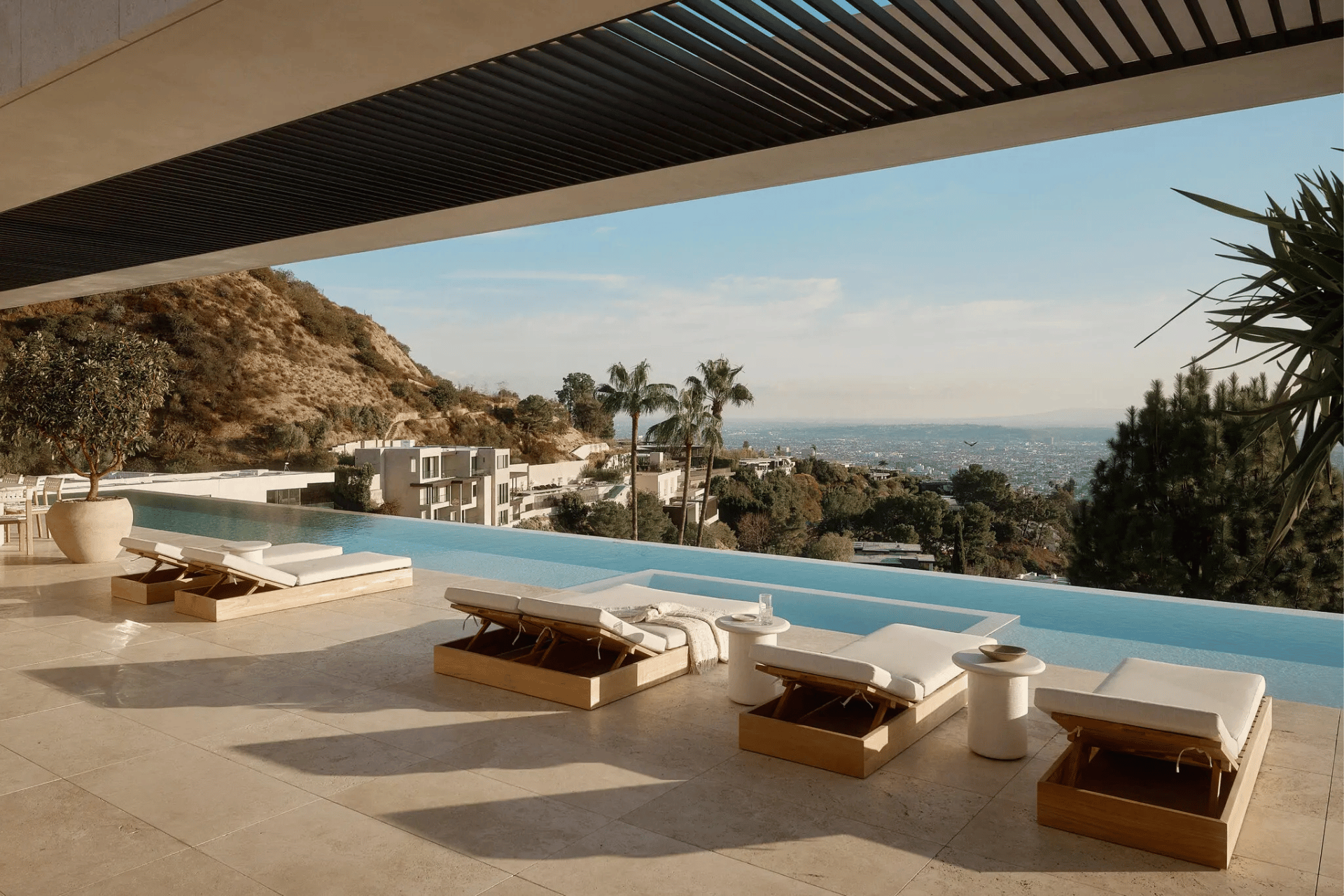
  • LA FIN: A $118 million architectural masterpiece by developer Joe Englehoff, marking the highest-priced home to accept cryptocurrency.
  • The Invisible House: A minimalist Joshua Tree icon listed at $17.95 million.
  • Nightingale: A $63 million Beverly Hills estate designed by AD100 architects Woods + Dangaran.

Aaron Kirman, who brings unmatched expertise from facilitating landmark Bitcoin real estate deals, including a $65 million Beverly Hills sale, emphasized the division’s groundbreaking role. With over $22 billion in career sales and the record-breaking $141 million sale of “The One,” Kirman remains a dominant force in the ultra-luxury market.

The timing of this launch is critical. Bitcoin surged 159% in 2024, and new legislation, such as the GENIUS ACT, encourages crypto-backed mortgages through agencies like Fannie Mae and Freddie Mac. Deloitte forecasts the tokenized real estate market will reach $4 trillion by 2035, underscoring the division’s visionary approach.

Kirman observed that traditional real estate has been slow to adopt the crypto revolution, and emphasized that they are transforming the market by creating a platform that links digital wealth with physical assets.

Christie’s International Real Estate Southern California is setting a new benchmark by integrating cryptocurrency into luxury property transactions. This initiative signals a fundamental shift in how ultra-high-net-worth individuals invest in real estate, as digital currencies become a vital part of the luxury market.

Stay up to date on the latest luxury industry news: https://worldluxurycouncil.com/insights-news

SOURCES: CURATED LUXURY, CHRISTIES REAL ESTATE 

A Historic Sanctuary Turned Culinary Highlight in Prague

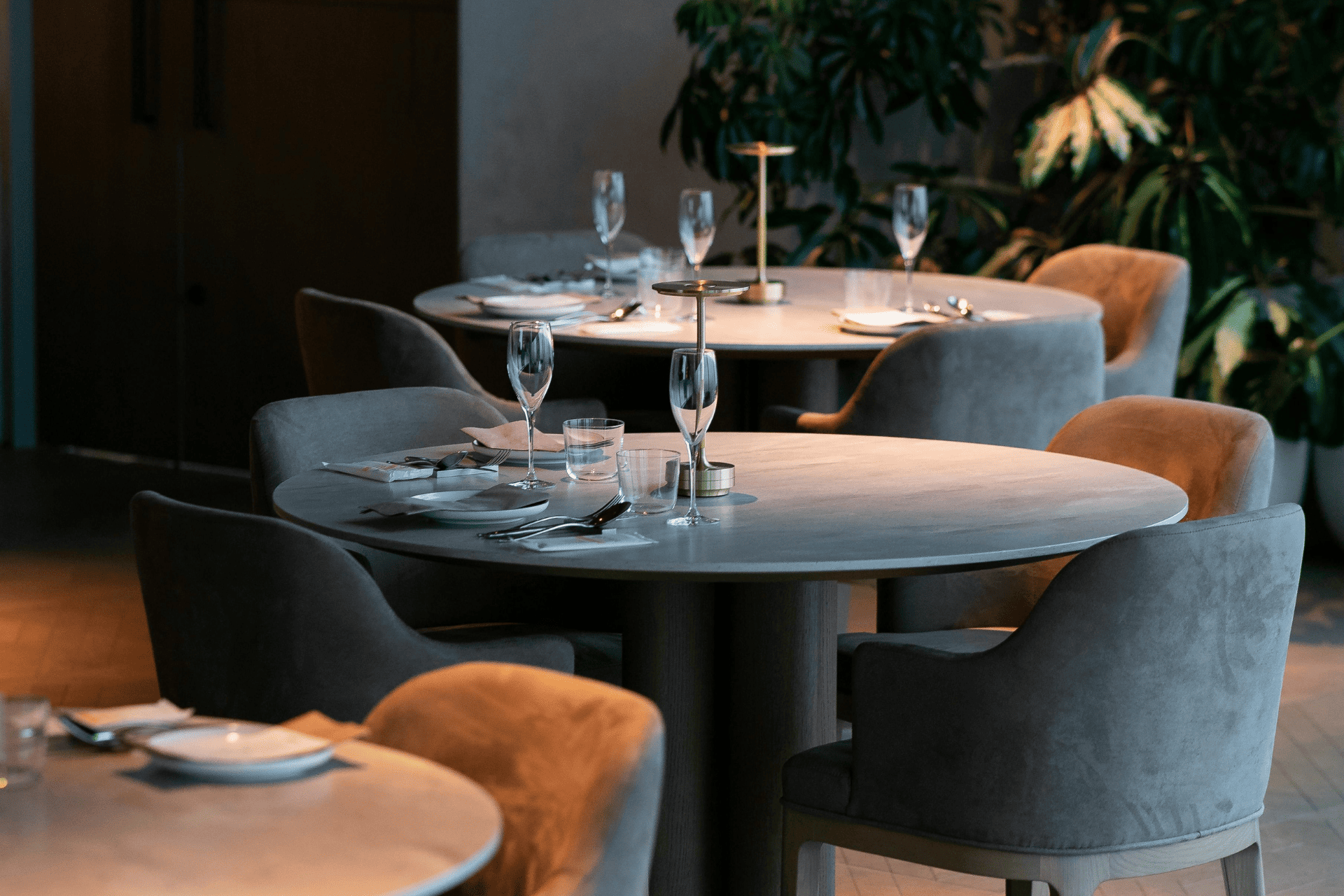
Augustine, a Luxury Collection hotel, presents a rare experience by transforming a centuries-old monastery into a sophisticated retreat for travelers who appreciate heritage, design, and gourmet dining. Located in Prague, this property offers guests an immersive stay where history meets modern refinement.

The hotel preserves the monastery’s original architectural elements, vaulted ceilings, Romanesque arches, and cloisters, while introducing contemporary interiors that enhance comfort without overshadowing the site’s historical significance. Its location near Prague’s Old Town invites guests to explore the city’s rich cultural fabric on foot.

The culinary offering is a key highlight, with the hotel’s restaurant awarded a Michelin star. The kitchen showcases Central European flavors interpreted through innovative techniques and premium local ingredients. Each dish reflects a thoughtful approach to taste and presentation, appealing to both food connoisseurs and travelers seeking a memorable dining experience.

Beyond the food, Augustine emphasizes personalized service and an intimate atmosphere. The hotel’s team provides tailored recommendations, from cultural tours to bespoke experiences that deepen the connection with Prague’s heritage and gastronomy.

Key Insights:

  • The transformation respects the monastery’s legacy while introducing contemporary luxury.
  • Michelin-starred cuisine focuses on regional flavors elevated by modern techniques.
  • Strategic location allows seamless access to Prague’s historic landmarks.
  • Personalized service enhances guest experience beyond accommodation.

Augustine, A Luxury Collection, stands out as a sophisticated retreat where historical ambiance and refined gastronomy combine to offer a unique and memorable stay. It appeals to travelers who value cultural richness paired with exceptional culinary experiences, making it a destination worth discovering in Prague’s luxury hospitality scene.

Stay up to date on the latest luxury industry news: https://worldluxurycouncil.com/insights-news         

SOURCES:  ELITE TRAVELER

Era Ends for Virgin’s In‑Flight Bar as Premium Seats Expand

Above: Image from Virgin Atlantic 

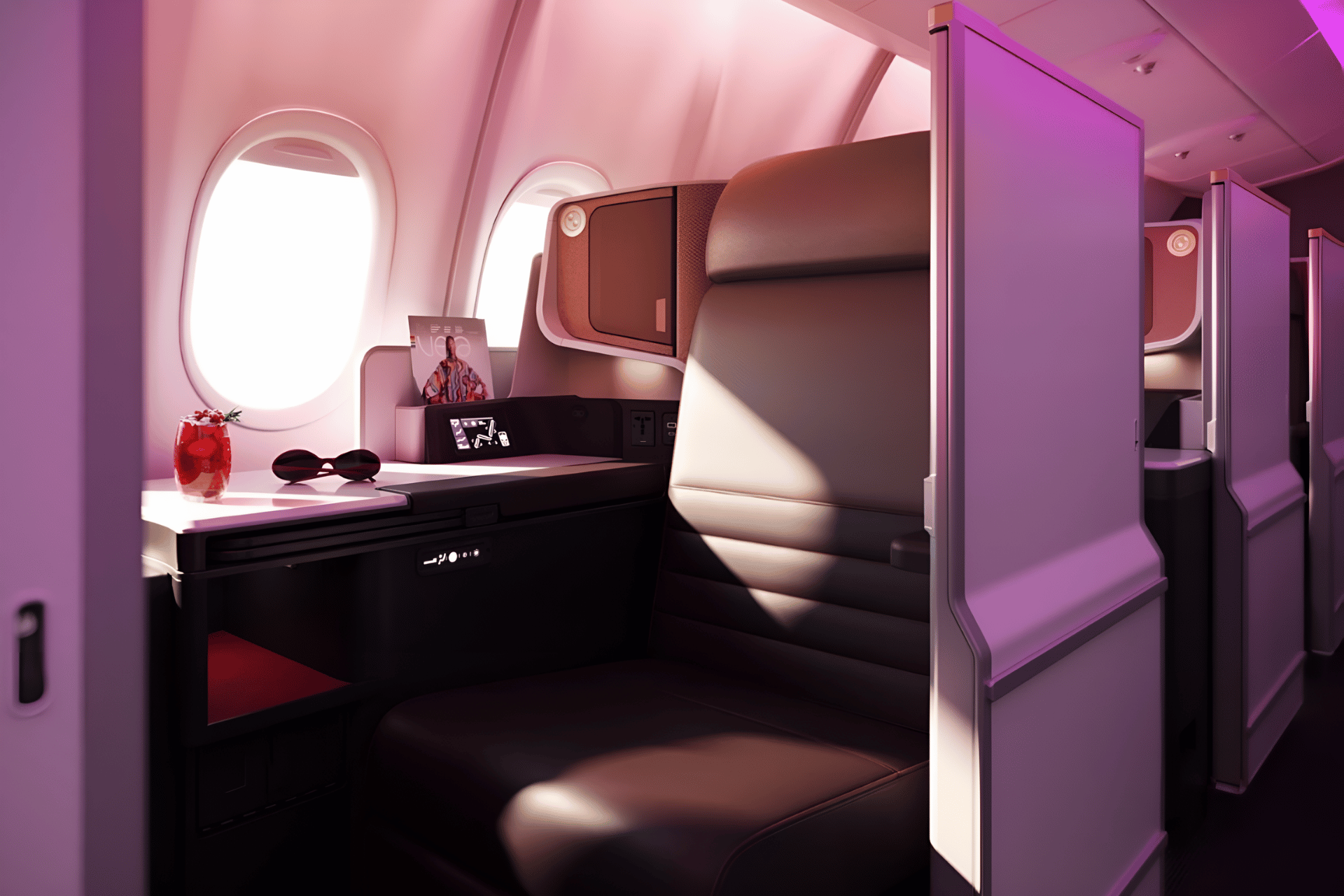
Virgin Atlantic is turning a page in its onboard experience: after four decades, the iconic in‑flight bar is being retired. The airline is reallocating cabin space to add more premium seating, reflecting shifting passenger preferences and renewed financial strength.

Virgin Atlantic’s onboard bar has long been a signature of the airline’s distinct personality, tracing back to its inaugural flight in 1984. While onboard social spaces once signaled modernity and glamour, especially during the golden age of jet travel in the 1960s and 70s, Virgin maintained and reimagined the concept well into the 21st century. Its early Boeing 747‑200 featured a dedicated bar, giving passengers in Upper Class a space to socialize above the clouds.

Over the years, the format evolved. The physical bar gradually gave way to “The Loft,” a more contemporary social space introduced on newer aircraft. Still, the concept endured as a defining feature, one that contributed to Virgin’s reputation for doing things differently. But in 2025, that chapter is closing.

Strategic Shift to Premium

  • Virgin Atlantic is reallocating cabin real estate to introduce more Retreat Suites (its high-end Upper Class offering), signaling a focus on privacy and profitability over open-plan social areas.
  • Economy seating is being scaled back to accommodate this. For example, retrofitted Boeing 787 9 aircraft will see a reduction in economy seats from 192 to 127, with 13 additional Upper Class and 21 more Premium Economy seats.
  • The new A330neo aircraft will feature 30 percent fewer economy seats while expanding premium cabin offerings.
  • These updates are part of a $17 billion investment in fleet and cabin upgrades scheduled through 2028.

Virgin Atlantic reports that its Premium Economy and Upper Class cabins are performing exceptionally well, with 90 percent of those seats already booked. CEO Shai Weiss acknowledged the emotional appeal of the onboard bar but noted that customer behavior is shifting toward privacy, exclusivity, and comfort over communal spaces. With profitability rising and premium demand growing, the bar’s retirement becomes a strategic decision rooted in modern passenger expectations.

Stay up to date on the latest luxury industry news: https://worldluxurycouncil.com/insights-news         

SOURCES: BUSINESS TRAVELER USA, VIRGIN ATLANTIC

Shifting Desires in China’s Luxury Landscape by CXG

As 2025 unfolds, China’s sophisticated ecosystem reveals shifting dynamics. It does so with volatility and complexity on the road ahead. Once rebounding sharply after the pandemic, the market has now cooled again. Amid global headwinds, from macroeconomic strain to currency fluctuations and tariff pressures, Chinese luxury spending patterns are becoming more cautious, strategic, and fragmented.

In this shifting landscape, the “Chinese Luxury Customers Sentiment 2025” report by CXG offers a timely and incisive look into the evolving priorities of the world’s most influential luxury buyers. Based on fresh field research, it decodes a market in flux, where delayed gratification, price sensitivity, cultural pride, and lifestyle-led consumption are reshaping how and why luxury is pursued. For brands aiming to remain essential in Greater China, this report offers data and direction.

Confidence is Wavering, but Aspiration Remains

  • Real estate instability, youth unemployment, and inflation have shaken consumer confidence.
  • Consumers are delaying luxury purchases and instead prioritizing savings for health, education, and retirement.
  • Delayed gratification is the prevailing mindset—spending will return, but timing is key.

Value and Price Sensitivity Reshape the Purchase Decision

  • Price fatigue is evident: 50% say price increases deter them from buying luxury goods.
  • Dupes are mainstream, especially in apparel and accessories.
  • Luxury tourism is rising: Japan has become the preferred shopping destination due to pricing advantages.

Domestic Brands Rise

  • 72% appreciate how Chinese brands reflect local culture and heritage.
  • 52% believe local brands offer better value than Western labels.
  • Motivations vary by generation: Gen Z: Driven by affordability and access. Millennials: Value cultural relevance most. Gen X: Prioritize cultural connection above all.

 Gen Z Leads the Shift to Experience-Driven Luxury

  • Chinese consumers, especially Gen Z, are shifting from material acquisition to experiential luxury.
  • Top areas for increased spending: Well-being and health (53%), Luxury travel (49%), Entertainment (34%)
  • Destinations like Hong Kong, Japan, and Hainan remain top of mind, not just for shopping but for immersive brand engagement.

Retail Experience with High Expectations

  • Despite the digital transformation, luxury buyers prefer in-store experiences.
  • Consumers are seeking personalized, high-touch, culturally fluent service, and not all retailers are delivering.

Overall, luxury in China is becoming more intentional, introspective, and identity-driven. As consumers recalibrate spending habits, the most resilient brands will be those that balance value and exclusivity, invest in meaningful human connections, and authentically engage with Chinese culture.

Now more than ever, luxury brands must align with shifting emotional currencies—offering not just goods, but grounding, gratification, and growth.

To view the full report, visit: https://www.cxg.com/insight/understanding-chinese-luxury-customers-sentiment-in-2025-and-preparing-for-the-future/’

Stay up to date on the latest luxury industry news: https://worldluxurycouncil.com/insights-news/

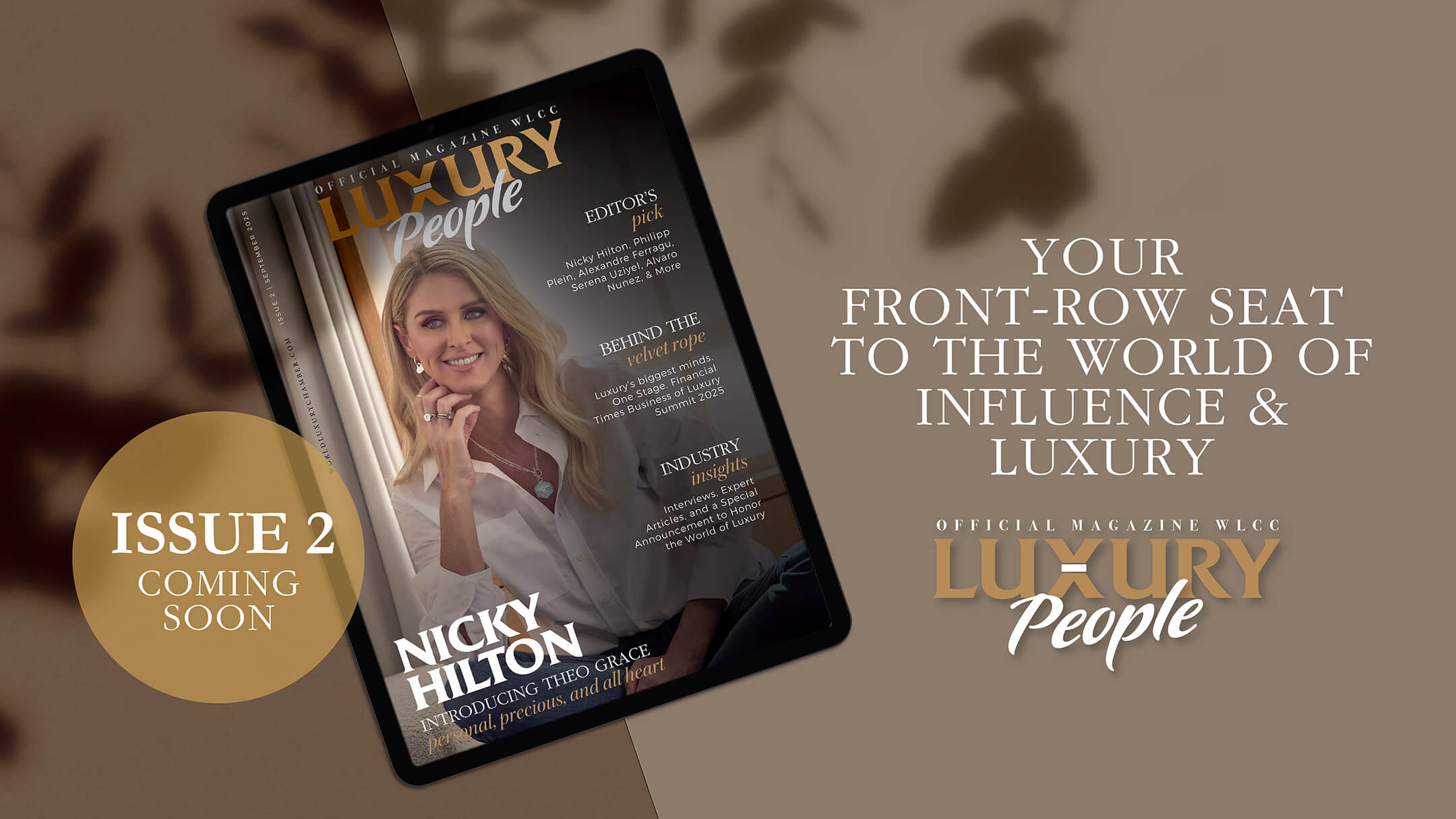
What to Expect from the Next Issue of Luxury People Magazine

The upcoming issue of Luxury People Magazine is a bold step further into the progressive world of high-end living, culture, and leadership. With exclusive interviews, sharp industry insights, and powerful global voices, this edition curates a compelling cross-section of the people and ideas embodying modern luxury.

Readers can expect:

  • An exclusive from Nicky Hilton, who has recently launched Theo Grace personalized jewelry.
  • Deep dives into the future of ethical fashion with Sanyukta Shrestha, and experiential real estate branding with Alvaro Nuñez Alfaro of Super Luxury Group.
  • Sharp commentary from strategist Alexandre Ferragu on the luxury industry’s current identity crisis, brand overextension, and the rise of Hermès as a category-defining outlier.
  • Behind-the-scenes coverage of WLCC’s role at the Financial Times Business of Luxury Summit, where global trends, AI, talent gaps, and sustainability took center stage.
  • Features ranging from Philipp Plein’s hotel debut to Neen James‘ book launch.
  • And much, much more.

This issue also celebrates the launch of World Luxury Day, an occasion created to unite luxury leaders, enthusiasts, and the people, places, and brands that embody the spirit of luxury.

For those who set the standard rather than follow it, the next issue of Luxury People Magazine offers insight, inspiration, and access to the minds driving the future of luxury.

About the Magazine:

Luxury People Magazine is a curated digital publication by the World Luxury Chamber of Commerce (WLCC), spotlighting the thinkers, creators, and disruptors across the global luxury landscape. From hospitality and fashion to real estate, media, and leadership, each issue explores how luxury is being redefined, not by price, but by purpose, experience, and the people who embody it. Far more than a magazine, it is a platform for connection, insight, and innovation at the highest levels of excellence.

Game-Changing Leadership: SDA Bocconi and ESMT Berlin Senior Management Program 2025 

The World Luxury Chamber of Commerce proudly presents the Senior Management Program 2025, a program in partnership with SDA Bocconi School of Management and ESMT Berlin. This program is thoughtfully constructed to provide senior executives with the strategic foresight and fresh approaches necessary to navigate the intricate and unpredictable global business environment of today. 

How does the Program Address Today’s Leadership Challenges? 

In a period where leaders are increasingly called upon to balance immediate demands with long-term viability, the Senior Management Program aims to broaden perspectives and introduce new viewpoints for those at the pinnacle of their professional journeys. It assists senior managers in foreseeing and adjusting to rapid shifts by interpreting the evolving business context and its wider influence. These principles reflect the vision of the Open Programs Division at SDA Bocconi, led by Associate Dean Emanuela Prandelli, which is deeply committed to supporting the transformation of business and work in a truly sustainable way. At the core of this mission is the belief that managerial education is a key driver of change—equipping leaders to build organizations that are both economically sound and socially responsible.  

Learning Approach 

The 2025 edition, extending over six days and structured into two distinct modules (totaling 48 equivalent hours), will be hosted in two prominent European cities: Berlin and Milan. Module I, titled “Looking outside: making sense of the context of senior leadership,” will run from September 10 to 12, 2025, at ESMT Berlin. This segment will explore the broader macro environment and emerging trends, including geo-economics, geopolitics, financial dynamics, technological advancements, and environmental and social factors. Participants will reflect on how these elements shape the evolution of senior management and learn to formulate non-market strategies, managing stakeholders and their concerns within this larger context. Experiential games will introduce “ambidextrous leadership,” setting the foundation for the subsequent module. 

Module II, “Looking inside: setting the stage for sustainable value creation and change,” will be conducted from September 29 to October 1, 2025, at SDA Bocconi in Milan. This part of the program concentrates on moving from strategy formulation to successful implementation. Key areas of study include a scientific approach to strategic decision-making, utilizing risk management to enable precise execution and foster innovation in complex settings, corporate governance, data management, and the crucial role of innovation. Furthermore, it addresses how to achieve outstanding performance and well-being by leveraging human and social capital. The learning methods are diverse and interactive, incorporating lectures, executive coaching, action planning, self-assessments, simulations, webinars, business cases, project work, and peer coaching, all designed to ensure direct applicability of concepts. 

Apply to Meet Your Goals  

This program is specifically designed for seasoned executives boasting more than 15 years of experience. This includes individuals currently serving as or aspiring to be CEOs, Managing Directors, Business Unit Leaders, Country Managers, C-level executives, plant managers, or heads of various functions. It is ideal for those seeking to explore new career avenues and strengthen their leadership abilities.. A significant advantage of joining is gaining entry to the extensive Bocconi Alumni Community, including: 

  • A wide-reaching international network  
  • Comprising over 140,000 professionals  
  • Spanning 133 countries.  

Gabriella Bagnato, Tenured Lecturer in Leadership and SDA Bocconi Director of the program, highlights that “Continuous learning is not just a necessity but a strategic imperative for senior managers, to stay ahead of industry trends, refine their strategic vision, and drive organizational success.” 

Why Choose SDA Bocconi?  

SDA Bocconi consistently ranks among the world’s leading business schools, recognized for its continuous advancement and the development of individuals and organizations. It holds a strong global presence, with its main campus in Milan, a new location in Rome, and a pan-Asian hub in Mumbai. The institution’s commitment to academic rigor and its openness to the world ensure a learning experience that is both deep and globally relevant.  

Through this collaboration with ESMT Berlin, SDA Bocconi offers a distinct chance for executives to lead with purpose and guide organizational prosperity in a constantly changing world. 

For more information or to apply, please visit: https://worldluxurycouncil.com/events/senior-management-program/  

To see upcoming programs, visit https://worldluxurycouncil.com/development/  

The Pause After the Climb: Luxury Brands Rethink Pricing Tactics

It is said that prestige labels may have grown used to raising prices without much resistance, but that momentum is slowing. The era of automatic markups may be giving way to a more cautious, buyer-sensitive approach.

High-end brands are beginning to ease off on price increases after years of upward momentum. Companies such as Chanel and Louis Vuitton have been more measured with their pricing in 2023 and 2024, especially in regions where shoppers are growing more cautious. This follows a period during the pandemic when luxury prices rose steadily. While the sector overall remains healthy, the pace of price hikes is now slower, a shift that reflects changing consumer behavior and growing pushback.

Key takeaways from the article:

  • Slower price growth: Chanel, Hermès, and Louis Vuitton have applied more moderate or paused increases in 2023–2024, especially in Asia and Europe.
  • Consumer resistance: Some shoppers are beginning to delay purchases or express concern over perceived value, especially when quality and materials remain constant.
  • Regional price sensitivity: Markets like South Korea and Japan are showing signs of fatigue, while Chinese buyers, once known for their willingness to pay a premium, are becoming more cautious.
  • Customer feedback matters: Analysts suggest that luxury buyers are now more vocal about their expectations. Pricing decisions are increasingly influenced by online sentiment, peer reviews, and market mood.
  • Luxury still holds value: While price growth is softening, most shoppers haven’t abandoned high-end purchases altogether. The desire is still there, just with a sharper eye on justification.

As luxury goods become ever more exposed to global consumer scrutiny, brands are finding themselves in a more delicate balancing act: maintaining exclusivity without alienating loyal buyers.

Brands need to learn how to read the room, paying closer attention to how and when they raise costs. While exclusivity remains a cornerstone of high-end fashion, today’s consumers (empowered by information and digital access) are more likely to expect transparency and logic behind pricing. The message is clear: value still matters, even at the highest levels of retail.

Stay up to date on the latest luxury industry news: https://worldluxurycouncil.com/insights-news         

SOURCES: CNA LUXURY, FINANCIAL TIMES

Fairmont Tokyo Opens Its Doors, Bringing a New Level of Luxury to Japan

Above: Image from Luxury Lifestyle Magazine

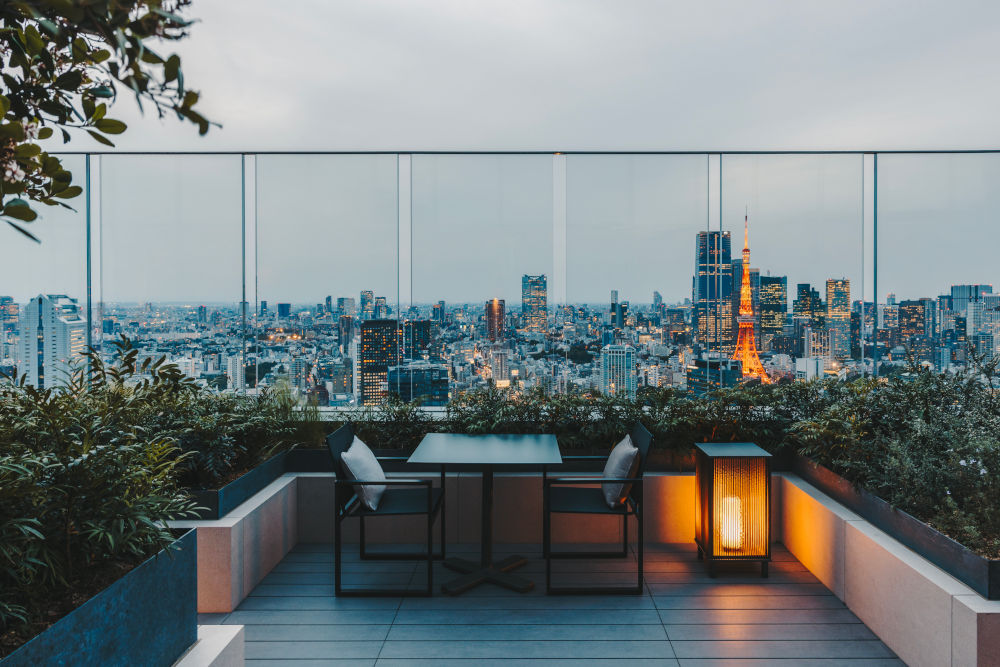
Tokyo’s skyline now features a fresh symbol of refined hospitality as Fairmont Hotels and Resorts makes its first appearance in Japan. With the opening of Fairmont Tokyo, the brand invites travelers to experience a distinctive blend of global luxury and Japanese tradition, setting a new standard for high-end stays in one of the world’s most dynamic cities.

Fairmont Tokyo is situated in a prime location, offering impressive views of the city skyline and iconic landmarks. The hotel features a range of luxury accommodations designed to provide comfort and style for both leisure and business travelers. Guests can expect exceptional service combined with thoughtfully designed spaces that honor the cultural heritage of Tokyo.

Interesting Hotel Highlights:

  • Rooms and Suites: Spacious and elegantly designed, with modern amenities and panoramic views.
  • Dining Options: Multiple restaurants and bars that showcase both international cuisine and Japanese flavors, crafted by renowned chefs.
  • Wellness Facilities: A full-service spa, fitness center, and wellness programs aimed at relaxation and rejuvenation.
  • Event Spaces: Versatile meeting and event venues equipped with advanced technology, ideal for business gatherings and celebrations.
  • Sustainability: The hotel incorporates eco-friendly practices aligned with Fairmont’s global efforts to reduce environmental impact.

The property thoughtfully integrates elements inspired by Tokyo’s rich traditions and contemporary lifestyle. Artworks and design touches throughout the hotel reflect Japan’s heritage, creating an atmosphere that respects and celebrates its surroundings.

Fairmont Tokyo’s arrival signals a new chapter for the brand in Asia, offering travelers an elevated experience that combines international hospitality standards with local authenticity. This debut reinforces Fairmont’s strategy to expand in key global cities while maintaining a strong connection to each destination’s unique character.

Stay up to date on the latest luxury industry news: https://worldluxurycouncil.com/insights-news         

SOURCES: LLM

Scroll‑Luxury: TikTok’s Emotional Revolution in European High‑end

A new wave is altering Europe’s high-end market, and it’s not coming from the usual clientele. In 2024, the sector grew to nearly €110 billion, marking a 3% increase despite global economic uncertainty. But this rise isn’t fueled by status-driven spending or legacy buyers. It’s younger consumers, especially Gen Z, who are steering luxury in a fresh direction, one shaped by emotion, spontaneity, and discovery through platforms like TikTok.

One of the most noticeable trends is the rise of “self-gifting.” Young buyers are increasingly purchasing luxury goods not to show off, but to reward themselves, boost their mood, or mark special moments in their everyday lives. The idea of buying something just because it feels good, without waiting for a special occasion, is taking hold, especially among those under 30. On TikTok, the popularity of self-gifting has surged, with creators openly sharing their purchases and the reasons behind them. This honest, personal style of communication is proving far more persuasive than traditional advertising.

TikTok’s influence goes beyond inspiration — it’s changing how people find and trust luxury brands. Many shoppers now discover products through content shared by creators rather than through ads or shop visits. This form of digital word-of-mouth helps users feel more confident in their choices, especially when the content feels relatable. A successful example of this approach was a recent Burberry campaign showing actors from The Crown doing something as ordinary as making a cup of tea. The casual setting resonated with audiences, showing that luxury can be part of everyday life.

Eastern Europe is also seeing strong results. In Poland, for example, the luxury sector grew by 24% in 2023, one of the fastest increases in Europe. Polish beauty and accessory brands are capitalizing on the current mood, utilizing storytelling on platforms like TikTok to garner broader attention. Rather than focusing on exclusivity, they often highlight daily rituals, heritage, and personal stories, which make their products feel more meaningful and easier to connect with.

Gen Z shoppers want something that resonates with them emotionally and fits seamlessly into their lives, not something that puts them on a pedestal. With TikTok shaping buying habits and emotional value taking center stage, luxury brands are rethinking how they present themselves.

Stay up to date on the latest luxury industry news: https://worldluxurycouncil.com/insights-news        

SOURCES: EURONEWS

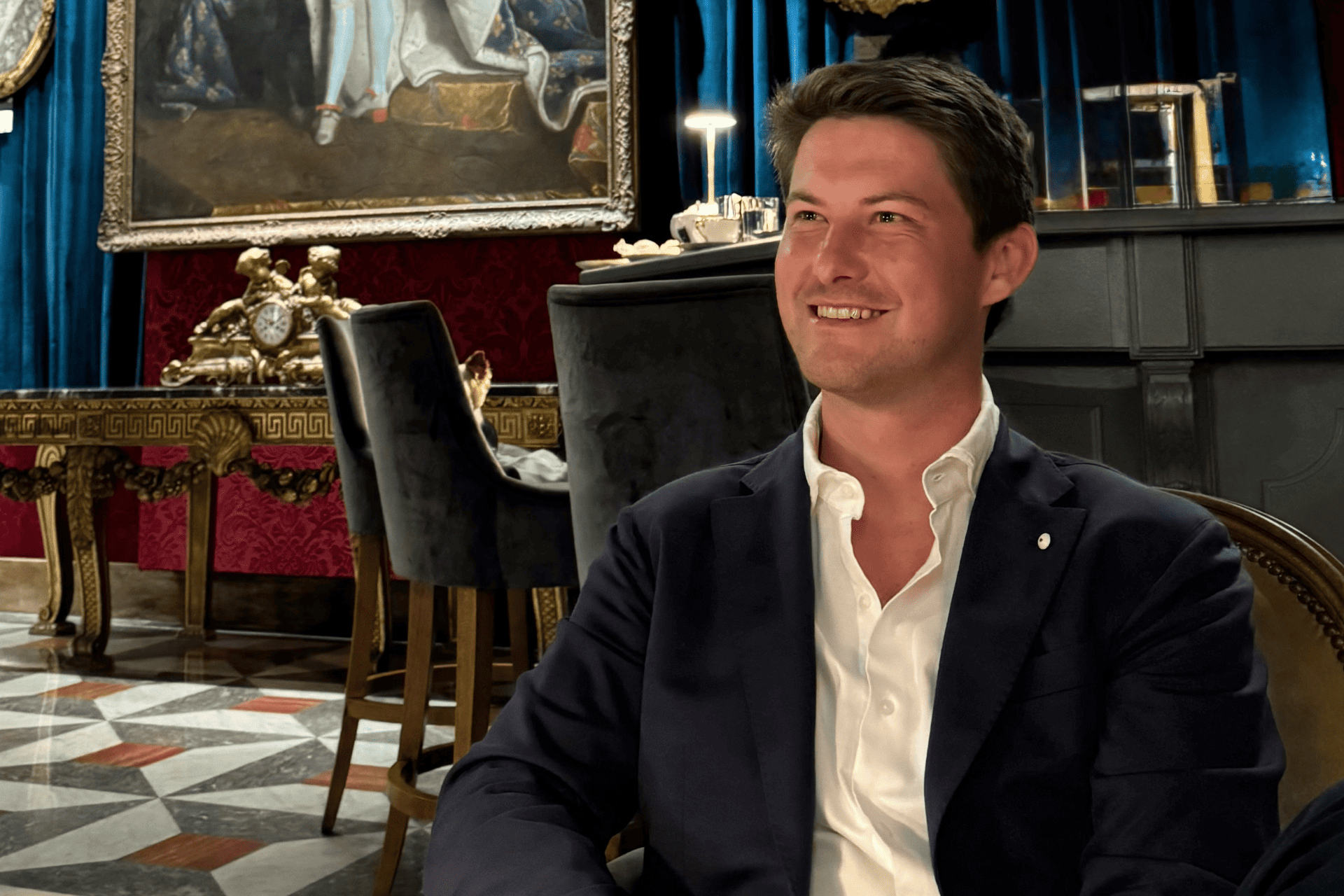
Exclusive Interview: The Evolving Allure of Luxury with Sébastien Santos

In this exclusive interview, Alexander Chetchikov, President of the World Luxury Chamber of Commerce, sits down with Sébastien Santos, Founder & CEO of Luxury Yours Consulting. With a career spanning more than two decades at the helm of world-renowned luxury brands and a reputation as a global business development expert, Santos shares his unique perspectives on the shifting landscape of luxury in 2025. Their discussion delves into market evolution, adapting to diverse cultures, and the art of crafting experiences that define the new luxury era.

Alexander Chetchikov: Sébastien, as an expert in the luxury branding industry, what is your perspective on the current state of the luxury market in 2025, and how are brands adapting their strategies to meet the demands of a more conscious, tech-savvy, and experience-driven global clientele?

Sébastien Santos: The luxury market in 2025 is both fragmented and more demanding. There is no “new China” to sustain the growth brands once relied on, requiring a nuanced, multi-market approach. Clients today expect a deeper sense of value, a quieter form of luxury, and seamless integration of technology without sacrificing human connection. Leading brands are focusing on cultural decoding while maintaining global coherence, using storytelling and experience design to remain relevant and aspirational to a clientele that values discretion and meaning over ostentation.

AC: You’ve helped brands expand globally and supported the refinement of their positioning; what are the key elements to consider when entering culturally diverse markets like Japan or India in the luxury sector?

SS: Entering culturally diverse markets requires humility, deep cultural literacy, and patience. In Japan, the emphasis is on quality, discretion, and mastering local service codes. In India, the diversity within the market demands an understanding of local aspirations and the influence of community on luxury consumption. Brands need to adapt communication and clienteling approaches without compromising their core values. In both cases, success comes from building trust, investing in cultural relevance, and tailoring experiential touchpoints rather than pushing a one-size-fits-all global approach.

AC: As a specialist in HNW and UHNW client engagement, how have client expectations evolved, and what strategies are most effective today for building lasting loyalty?

SS: HNW and UHNW clients have shifted from a transactional view of luxury to seeking experiences that affirm their identity while respecting their privacy. They value direct relationships with brands, transparent values, and meaningful personalization. To build loyalty, brands need to deliver consistently high touchpoints across physical and digital interactions, invest in private and exclusive experiences, and maintain impeccable service. Discretion, authenticity, and the human touch remain irreplaceable in creating a sense of belonging and trust.

AC: Through Luxury Yours Consulting, how do you tailor storytelling and experiential marketing to reflect a brand’s identity while still offering something fresh and exclusive?

SS: At Luxury Yours Consulting, I begin by understanding a brand’s values deeply to ensure consistency in its storytelling, then design experiences that speak to the emotional needs of the clientele while adding fresh perspectives. I look at how a brand can be a companion in clients’ lives beyond product ownership, creating moments that become part of their personal narrative. Whether through bespoke events, collaborations, or sensory experiences, the goal is to craft offerings that feel exclusive while remaining aligned with the brand’s essence.

AC: Looking ahead to 2026, what emerging market trends do you believe will most significantly impact the luxury industry, and how should brands prepare now to stay ahead of the curve?

SS: Sustainability will continue evolving from an expectation to a non-negotiable, with clients scrutinizing transparency across the value chain. We will also see the continued rise of digital artisanship, blending AI and human creativity to enhance personalization and product innovation.

Experiential luxury will become even more important, with clients expecting hospitality-level service across all interactions. To stay ahead, brands should invest in cultural intelligence, technology integration that enhances rather than replaces the human touch, and initiatives that create community and belonging around the brand.

Thank you, Sebastien!

Through this conversation, Sébastien Santos offers more than a glimpse into the state of luxury in 2025; he delivers a masterclass in relevance, resilience, and refinement. His approach to client engagement, cultural nuance, and brand storytelling reflects a deep understanding of what today’s discerning clientele truly values. For brands aiming to stay ahead, his perspective serves as both a strategic guide and a reminder: luxury is no longer just about aspiration, it’s about connection, intention, and meaningful distinction.

Follow Sebastien’s journey on LinkedIn: https://www.linkedin.com/in/sebastiensantos/

Want to read more exclusives? Check out our news and insights: https://worldluxurycouncil.com/insights-news/ & sign up for our newsletter here: https://worldluxurycouncil.com/wlcc-community/

Luxury on the Move: Tomorrow’s Traveler Today By WATG Research

What does luxury mean when anyone can book the suite, buy the watch, and fly first class? As affluence expands across generations and continents, the traditional codes of luxury travel are being challenged. The 2024 report, Evolving Wealth: A New Paradigm for Luxury Travel by WATG Research, examines these shifts by exploring consumer behavior, demographic transitions, and regional economic growth. Rather than focusing solely on exclusivity, the new affluent traveler seeks value in meaningful experiences, emotional connections, and environmental responsibility.

The report offers a comprehensive view of the present and future of high-end travel, outlining how design, destination development, and service expectations must evolve to meet the tastes of a younger, globally mobile clientele. With the global luxury market surpassing USD 1.54 trillion and $219 billion accounted for by luxury hospitality alone, the stakes for the industry are high. This document is both an analytical overview and a strategic foundation for those looking to engage with the future of wealth-driven travel. 

In this report summary, the World Luxury Chamber of Commerce highlights key insights into the global luxury travel sector in 2025.

A Demographic Overview

The luxury hospitality sector has recovered strongly in the post-pandemic era, fueled by a change in consumer preferences away from possessions and toward experience. This shift is particularly prominent among Gen Z and Millennial high-net-worth individuals (HNWIs), who now favor immersion, purpose, and authenticity. These generations are already commanding a larger share of discretionary wealth, supported by a historic USD 84 trillion intergenerational transfer set to occur in the United States by 2045.

Unlike older demographics, these consumers do not view luxury as static. Instead, they treat it as dynamic, a set of conditions shaped by sustainability, digital convenience, and access to culture. For instance, over 38% of luxury travelers report a willingness to pay 30–50% more for environmentally conscious accommodations and services. This preference is not a marketing trend but a shift in expectations. Properties and destinations must reflect these values in meaningful ways, rather than symbolic gestures or surface-level features.

While generational change plays a defining role, the range of affluent travelers today is broader and more complex than ever before. WATG outlines four distinct segments. The Mass Affluent earn between $100,000 & $1 million in assets and represent a large, globally influential group. They tend to be value-focused but consistently prioritize travel, wellness, and education. Millionaires Next Door, with assets between $1 million and $5 million, prefer understated luxury and tend to seek quality over visibility. HNWIs, with a wealth of $5 million to $30 million, form a core group of high-end hospitality consumers and are particularly active in Asia, North America, and the Middle East. Finally, Ultra-HNWIs, representing individuals with more than $30 million in net worth, have particular preferences: privacy, personalization, and rare experiences are central to their expectations.

The Focus Placed on Experiences

Across all these groups, a common theme emerges: experience has overtaken material goods in importance. In the United States, spending on experiences has grown steadily since the 1960s, while spending on physical goods has declined as a proportion of discretionary income. Millennials, who currently take an average of 35 vacation days per year, and Gen Z travelers, who average 29, place a premium on international, culturally immersive trips. These younger travelers are shaping demand for accommodations that serve as platforms for personal growth, whether through nature, history, art, or wellness.

The design priorities of luxury travel providers are shifting accordingly. Properties that once relied on standardized luxury services must now respond to demands for ecological integrity, digital adaptability, and spatial flexibility. Many travelers in these segments now identify as “global citizens,” maintaining homes in multiple countries and expecting a consistent, high-quality experience wherever they go. They increasingly work remotely, travel more often for leisure than business, and seek accommodations that allow them to blur the line between productivity and rest.

Brand loyalty, once rooted in prestige, is now earned through authenticity, purpose, and performance. High-net-worth Millennials and Gen Z travelers are more likely to book extended stays, seek out unique architectural or cultural experiences, and choose hospitality providers that align with their social and environmental values. Space tourism, artist residencies, eco-conservation, and off-the-grid retreats are no longer niche concepts; they are fast becoming essential offerings in this competitive segment.

Regional Trends: Where the Money’s Going

  • North America continues to lead in total HNWI population and wealth. New York, Los Angeles, and Chicago are top growth markets, with New York alone showing luxury hotel demand 337% above the national average.
  • Asia-Pacific is witnessing accelerated growth. India’s affluent population is expected to grow from 60 million to 100 million by 2027. China, despite recent slowdowns in wealth growth, remains a dominant force. Southeast Asia (notably Vietnam, Thailand, and the Philippines) is quickly becoming a key source of outbound luxury travel.
  • The Middle East is forecast to experience a 150% increase in centi-millionaires by 2028, with Dubai, Riyadh, and Doha leading development and luxury spending. A growing number of global brands are focusing on expansion strategies here.
  • Europe remains a strong and stable source of affluent travelers. Germany leads in HNWI population, while cities like London and Prague are seeing above-average demand for luxury accommodations.
  • Latin America and Africa show more modest near-term growth, but with rising middle- and mass-affluent populations, these markets present longer-term opportunities. Mexico, Brazil, and South Africa are notable markets to watch.

As Millennials and Gen Z shape both the demand and the discourse, travel providers must reframe their offerings to appeal to a consumer base that is more environmentally aware, digitally integrated, and globally connected.

The geographic landscape of wealth is also changing. With new affluence emerging in India, Southeast Asia, and the Middle East, brands must plan not only where they operate but also how they engage with diverse cultural expectations and behavior. Sustainability is no longer optional. The future will favor those who can listen closely, adapt intelligently, and deliver travel experiences that are desirable and relevant.

To read the full report by WATG, visit: https://www.watg.com/affluent-travel-trends-2025/  

Stay up to date on the latest luxury industry news: https://worldluxurycouncil.com/insights-news/         

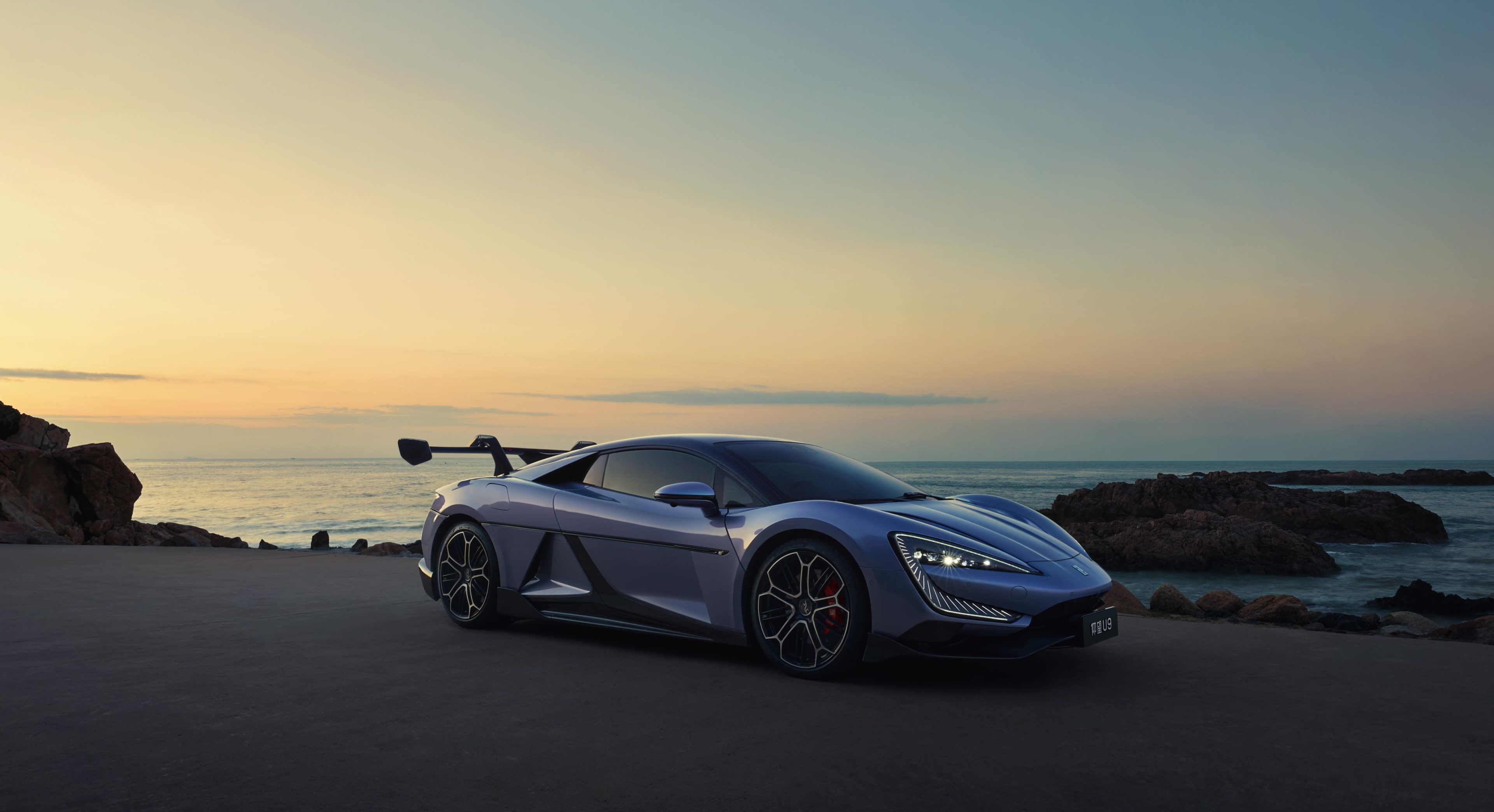
BYD’s Yangwang Luxury Automotive Brand Sets Sights on Global Expansion

Above: Image from byd.com

Is the future of ultra-luxury electric motoring coming from China? Auto giant BYD thinks so, as it gears up to take its elite sub-brand Yangwang global, with Europe confirmed, and Australia under active consideration. With designs that rival Ferrari, Porsche, and Bentley, Yangwang is not just redefining Chinese luxury; it’s challenging the global elite.

Founded in 2022, Yangwang sits at the pinnacle of BYD’s brand hierarchy, offering high-performance EVs and exclusive extended-range vehicles that fuse technology, power, and luxury design. Its offerings include:

  • Yangwang U9: A 960kW all-electric supercar with a “jumping” function
  • Yangwang U8: An amphibious SUV bigger than a Toyota Land Cruiser
  • Yangwang U7: A quad-motor electric sedan targeting high-performance luxury rivals

Yangwang’s first international destination is Europe, following the 2026 rollout of BYD’s Denza brand. While Australia has not been officially confirmed, BYD has tested the U8 in the Australian outback, shown it in local showrooms, and hinted at broader plans.

Why Australia May Be Next

Several signs point to Australia potentially becoming one of the next markets for BYD’s ultra-luxury Yangwang brand. Production of right-hand drive versions of the Yangwang U8, a large amphibious SUV, began in late 2024, making it a viable option for markets like Australia.

Additionally, BYD Australia has confirmed the launch of its premium Denza brand in 2025, marking a clear signal of the company’s broader ambitions in the region. The U8 has already made appearances in Australian showrooms and during press tours, suggesting growing interest and early-stage market testing.

Strategic Brand Hierarchy

BYD has created a clear brand ladder to segment its growing automotive empire:

  • BYD: Mainstream electric vehicles
  • Denza: Premium, tech-forward offerings
  • Yangwang: Ultra-luxury and flagship innovation
  • Fangchengbao: Performance and lifestyle-oriented models

Combining futuristic electric vehicle technology, rare and striking design language, and next-generation engineering, Yangwang is designed to appeal to a new class of discerning luxury automotive buyers.

Through this multi-tiered strategy, BYD is positioning itself to serve nearly every segment of the evolving global automotive market, from affordable EVs to ultra-exclusive electric supercars.

Stay up to date on the latest luxury industry news: https://worldluxurycouncil.com/insights-news        

SOURCES: CAR EXPERT, BYD

Setting the Standard: How WLCC’s Luxury Travel & Hospitality Committee Drives Global Excellence 

In luxury hospitality, great design and prime locations are just the beginning. True luxury today is defined by the quality, consistency, and intentionality behind every guest interaction, no matter where in the world that experience takes place. 

Yet in a fragmented global market, who sets the standard for what luxury should be? 

That’s exactly why the World Luxury Chamber of Commerce (WLCC) has launched the Luxury Travel & Hospitality Committee, a global platform dedicated to advancing the future of luxury hospitality through leadership, collaboration, and world-class standards. 

Why Global Standards Matter 

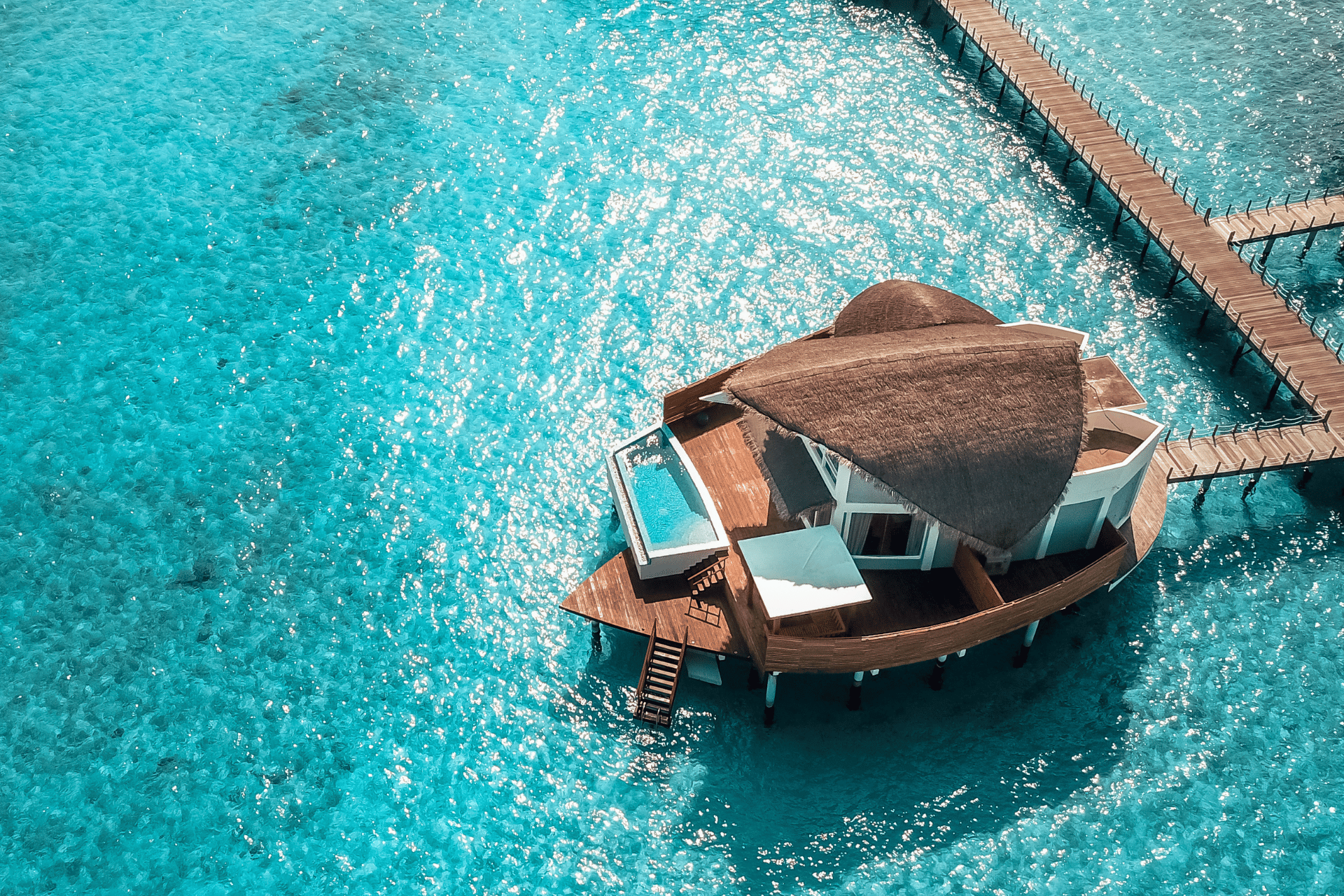
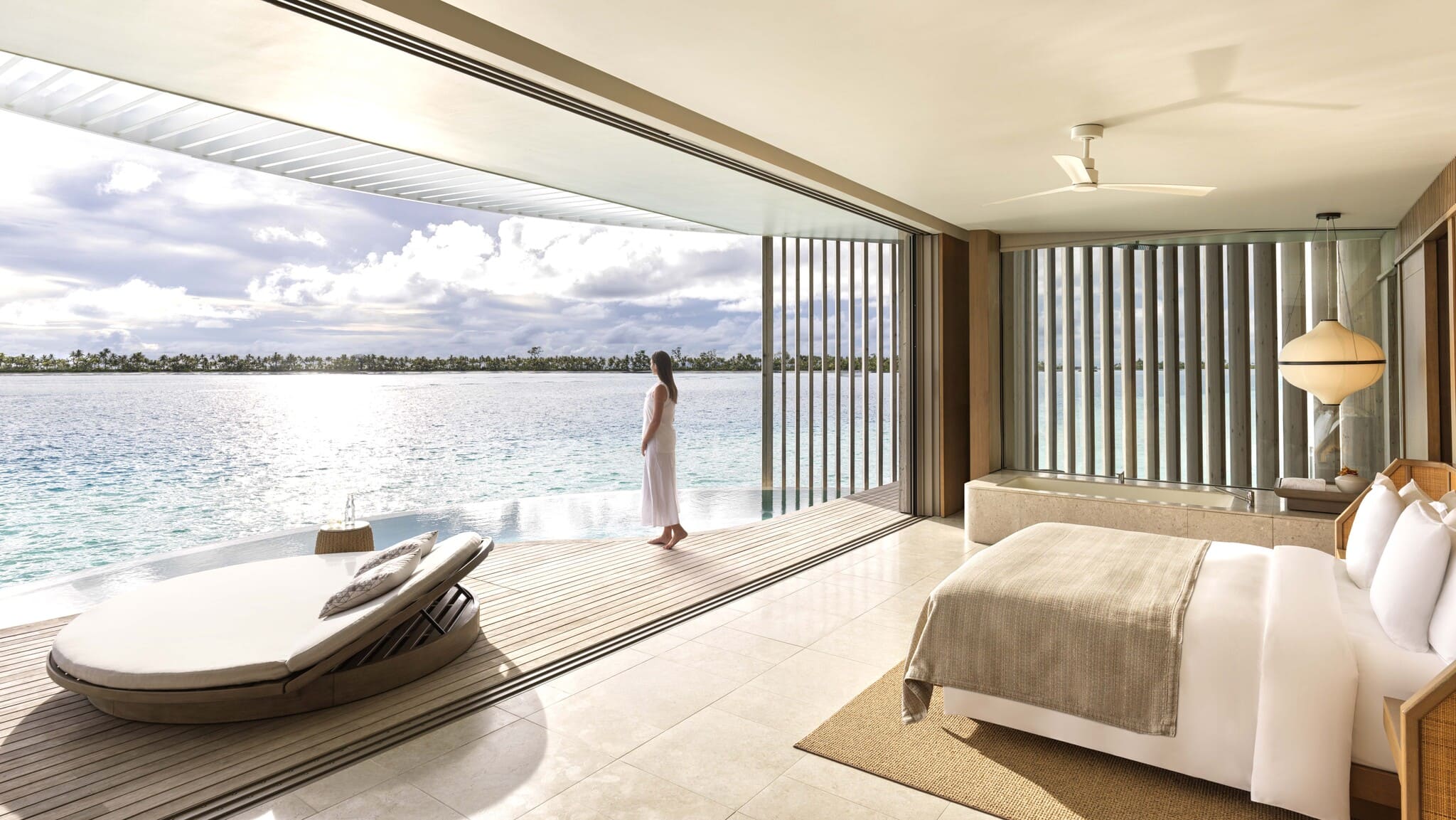
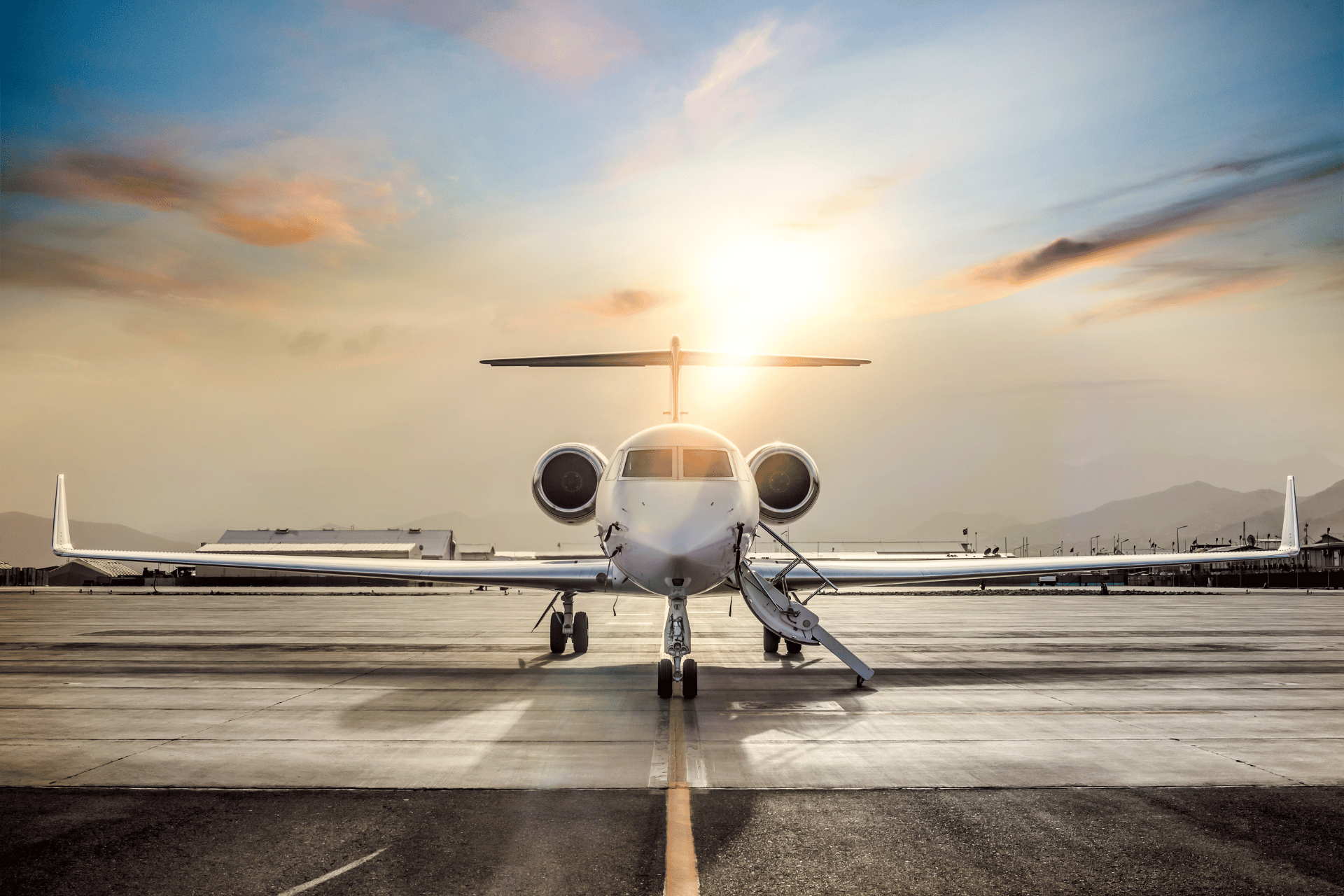
Luxury may be personal, but excellence should be universal. Whether stepping into a private villa in the Maldives or boarding a bespoke charter in Monaco, today’s discerning travelers expect seamless, thoughtful, and elevated experiences. 

The WLCC Luxury Travel & Hospitality Committee was created to ensure that across borders, brands don’t just meet expectations; they surpass them. 

What Makes This Committee Different? 

Unlike other industry groups, the WLCC committee brings together luxury’s most influential voices under one platform with a single purpose: to define and elevate what global luxury hospitality looks like in the next decade. 

The Committee’s Core Focus Areas: 

  • Creating Global Benchmarks for Service Excellence 
  • Driving Strategic Collaboration Across the Luxury Ecosystem 
  • Spotlighting Brands That Exemplify World-Class Hospitality 
  • Leading Conversations on Trends, Technology, and Emerging Guest Expectations 
  • Mentoring Emerging Luxury Brands to Raise the Global Bar 

This is not about restricting creativity; it’s about creating a foundation of excellence that empowers brands to innovate on top of uncompromising quality. 

Be Part of the Future of Luxury Hospitality 

With its official launch in October 2025, the WLCC Luxury Travel & Hospitality Committee will serve as the meeting place for those who don’t want to follow trends—they want to set them. 

For visionary leaders, hoteliers, private travel curators, and luxury service providers, this is your invitation to join the conversation that will shape the next era of global luxury hospitality. 

*Only WLCC members with a Professional Membership tier are eligible to join the committee.

Interested in joining? Spots are limited. Submit your application now to be considered as a founding Core Member: https://worldluxurycouncil.com/become-a-member/

Soulful Escapes: Marriott’s New Era of Mindful Luxury

Above: Image from Marriott International

Is holistic and personalized wellness travel becoming the new benchmark for luxury experiences among affluent global travelers? Marriott International’s Luxury Group believes so, as it officially launches the Luxury Wellbeing Series 2025, a curated collection of immersive wellness journeys across Asia-Pacific. Beginning this August, the series unfolds across iconic destinations: Bali, the Maldives, and Goa. Mixing traditional healing practices, natural beauty, and high-end hospitality to serve the intentional, wellbeing-focused traveler. There is a growing shift toward transformative, immersive experiences over conventional pampering.

The New Wellness in Luxury Travel

Marriott International’s new wellness program takes a multi-sensory and multidimensional approach, integrating Sleep, Nutrition, and physical and mental well-being into a luxurious, culturally rich journey. Each destination has crafted bespoke experiences that merge local traditions with modern science.

In Bali, Mandapa, a Ritz-Carlton Reserve, celebrates a decade of immersive wellness with Balinese medicinal workshops, Yogic sleep therapy, and mindful practices such as Vipassana meditation and Mandala art. Guests explore nature through foraging tours and create detoxifying herbal elixirs grounded in local tradition.

At The Ritz-Carlton Maldives, Fari Islands, the program draws on the resort’s Deep Blue philosophy, offering personalized sleep rituals, floating sound healing, and coral regeneration experiences. Nutrition is tailored through Maldivian cooking classes and private wellness consultations.

Meanwhile, The St. Regis Goa Resort revives Ayurvedic wisdom through Yoga Nidra sleep rituals, dosha-specific cuisine, sound therapy, and custom spa treatments. Guests engage deeply with nature through visits to the spice garden and yoga sessions along the estuary.

Wellness Series Highlights at a Glance

  • Launch: August 2025
  • Destinations: Bali, Maldives, Goa
  • Themes: Sleep, Nutrition, Physical & Mental Well-being
  • Notable Experiences: Sleep ritual kits and oceanfront sound therapy, farm-to-table Ayurvedic cuisine, coral reef regeneration and art-based self-discovery, one-on-one wellness consultations, and customized spa programs

With the Luxury Wellbeing Series 2025, Marriott International’s Luxury Group elevates wellness travel to an art form. It is no longer just about spa days and detox menus; luxury wellness is now deeply personal, experiential, and transformative.

Stay up to date on the latest luxury industry news: https://worldluxurycouncil.com/insights-news        

SOURCES: Marriott International

Arnault’s LVMH Injects $800M into Private Jet Leader Flexjet

Bernard Arnault and LVMH, the world’s largest luxury conglomerate, are making a bold entrance into the private aviation space. Through their private equity firm L Catterton, they have taken a bold step into the ultra-luxury aviation sector with an $800 million investment in Flexjet, marking the largest equity investment ever made in a private jet travel provider. This move values Flexjet at approximately $4 billion and signals a new era where the worlds of elite fashion, hospitality, and private aviation intersect. Unlike Warren Buffett’s full acquisition of NetJets in 1998, LVMH’s approach allows Flexjet to remain independent, under the continued leadership of founder and chairman Kenn Ricci. The deal opens the door to strategic collaborations between LVMH’s constellation of brands and Flexjet’s vision of exclusive, high-touch flight experiences.

L Catterton’s $800 million investment secures a 20% stake in Flexjet, valuing the company at $4 billion, marking the highest-ever valuation for a private jet travel provider. With this new partnership, Flexjet aims to elevate its service offerings by potentially incorporating LVMH’s signature luxury aesthetics and lifestyle touchpoints. Ricci envisions the company operating more like an exclusive club than a traditional aviation provider, focusing on cultivating a high-value community experience that extends well beyond time spent in the air.

Interesting Key Insights are:

  • Terminal Network: Flexjet operates 11 private terminals, providing secure, intimate service, and amenities like conference rooms and seasonal concierge perks.
  • Financial Growth: Revenues have surged from $1.8B (2020) to $3.8B (2024); EBITDA reached $398.3 in 2024 and is projected at $425M for 2025.
  • Fleet Expansion: The company ordered 182 Embraer jets ($7B value), leaning into larger, longer-range models like the Praetor 500/600 and Gulfstream G700.
  • Helicopter Services: Flexjet now offers branded rotorcraft flights in NYC, London, Florida, the Bahamas, and parts of Europe, serving as a last-mile link.
  • Strategic Timing: The deal was initiated by L Catterton in late 2024, aligning with its $11B capital raise and LVMH’s growing interest in luxury longevity and time-saving experiences.
  • Competitive Philosophy: Rather than scale aggressively, Ricci aims to maintain exclusivity.

With LVMH’s backing, Flexjet is poised to redefine private aviation as an immersive luxury lifestyle experience in the skies and beyond.

Stay up to date on the latest luxury industry news: https://worldluxurycouncil.com/insights-news        

SOURCES: FORBES

The Most Influential Regions Leading the Future of Luxury across the GCC by Chalhoub Group

The shifting global dynamics and a cautious consumer sentiment have created a new, surprising epicenter of growth for the premium lifestyle and personal goods arena, not in traditional Western capitals, but across the Gulf Cooperation Council (GCC). The GCC Personal Luxury 2024: Unstoppable report, released by the Chalhoub Group in May 2025, presents a compelling, data-driven portrait of this six-nation bloc, comprising the UAE, Saudi Arabia, Qatar, Kuwait, Bahrain, and Oman. It is not merely weathering international uncertainty, but spearheading a new model for luxury resilience and reinvention. 

Amid geopolitical tension and a modest contraction in personal luxury globally, the GCC recorded USD 12.8 billion in personal luxury spend, up +6% year-over-year in 2024. The report blends macroeconomic analysis, consumer sentiment, and category-specific insights, drawing a rich, interconnected narrative of ambition, diversification, and cultural transformation.  

A Region Rising Against the Current 

While the global personal luxury space declined by 2%, the GCC expanded by 6%, reflecting strong domestic demand, tourism, and high consumer confidence (2024). Leading this surge are the UAE and Saudi Arabia, which together represent nearly three-quarters of regional spend. 

  • UAE: Maintains dominance as the luxury capital of the region (56% market share), driven by record tourism and retail innovation. 
  • Saudi Arabia: Fast-growing player with a dynamic retail landscape and large-scale infrastructure projects supporting luxury expansion. 

What’s Powering GCC Growth? 

The Chalhoub report identifies five foundational drivers behind this region’s exceptional performance: 

  • Government-Led Economic Vision: Initiatives like Saudi Arabia’s Vision 2030 and Dubai’s D33 plan are transforming oil-based economies into diversified ones, focusing on financial services, AI, and renewable energies in order to reduce their dependence on oil. 
  • Affluent and Optimistic Consumers: 97% of surveyed residents plan to keep spending on luxury, focusing on quality, exclusivity, and brand integrity. 
  • Tourism as a Luxury Channel: With international arrivals up by 8% and VAT refund claims rising, tourism is directly driving luxury sales, especially in the UAE. 
  • Retail Renaissance: Over 90 new luxury fashion and beauty stores opened in 2024 across malls in Riyadh, Dubai, Doha, and Manama, with brands like Hermès, Dior, and Zimmermann entering or expanding. Luxury Fashion represents 43% of expenditure in the GCC personal market. 
  • Digitally Native Behavior: E-commerce is growing, led by players like Sephora, Ounas, and FarFetch 

Where Luxury Lands: Key Sector Insights 

Fashion remains the region’s cornerstone, contributing 43% of the luxury market and growing +6% YoY. The report distinguishes four tiers: 

  • Ultra High-End Fashion (e.g., Loro Piana, Louis Vuitton): 57% market share 
  • High-End (e.g., Gucci, Tom Ford): +8% growth 
  • Aspirational (e.g., Ferragamo, CH): supported by new entrants like Jacquemus 
  • Accessible Luxury (e.g., BOSS, POLO): +7% growth aligned with global trends 

Watches & Jewellery (W&J) account for 38% of total luxury spend. 

  • Jewellery saw +7% growth, driven by consumer emphasis on craftsmanship and heritage. 
  • Watch sales remained flat following global patterns of maturity in the segment. 

Prestige Beauty is the fastest-growing category

  • Skincare leading the way (+17%), driven by The Ordinary, Drunk Elephant, and Charlotte Tilbury. 
  • Fragrance capturing 49% of beauty spend, dominated by niche and private-label collections. 
  • Makeup is seeing double-digit growth, with strong traction from Fenty, Glossier, and Urban Decay. 

Insights on the Intentional GCC Consumer 

Today’s GCC luxury consumer is not only affluent but deeply informed and highly discerning. Over 87% actively follow fashion and beauty trends on social media, while more than half consider themselves well-versed in brand identities, seasonal collections, and product innovations. A striking 79% of consumers have traveled in the past three months, with the majority of them shopping abroad, often spending up to 2.5 times more than they do locally. When it comes to purchasing decisions, quality remains the top driver, followed closely by alignment with personal style and a brand’s authenticity. This is not a market driven by impulse or novelty; it is one defined by intentionality, taste, and a desire for meaningful, informed indulgence. 

Final Reflections from the Gulf 

Looking ahead, the Gulf region is determined to participate in the global luxury narrative and actively shape it. With continued investment in urban development, the debut of new luxury malls, and the entrance of next-generation brands across categories such as wellness, skincare, and athleisure, the GCC is steadily evolving into a hub of innovation and cultural influence. The Chalhoub Group forecasts that the personal luxury market in the region will reach USD 15 billion by 2027, supported by rising local affluence, a vibrant tourism sector, and increasingly sophisticated consumers. E-commerce is expected to deepen its role, particularly through pure-play digital platforms, while experiential retail continues to reimagine the luxury shopping experience. 

However, this growth story is not without its challenges. Macroeconomic risks, shifting global trade dynamics, and ongoing geopolitical tensions present uncertainties that may impact future performance. Yet despite these external pressures, the prevailing outlook is one of quiet confidence. The GCC has not only demonstrated resilience, but it is also redefining what modern luxury means, blending heritage with innovation, exclusivity with accessibility, and global aspiration with regional authenticity. For brands seeking long-term relevance, the Gulf is a strategic imperative. 

To read the full report by the Chalhoub Group, visit:  https://www.chalhoubgroup.com/fr/media/324/gcc-personal-luxury-market-defies-global-trends-with-6-growth-reaching-usd-128-billion-in-2024  

Stay up to date on the latest luxury industry news: https://worldluxurycouncil.com/insights-news/         

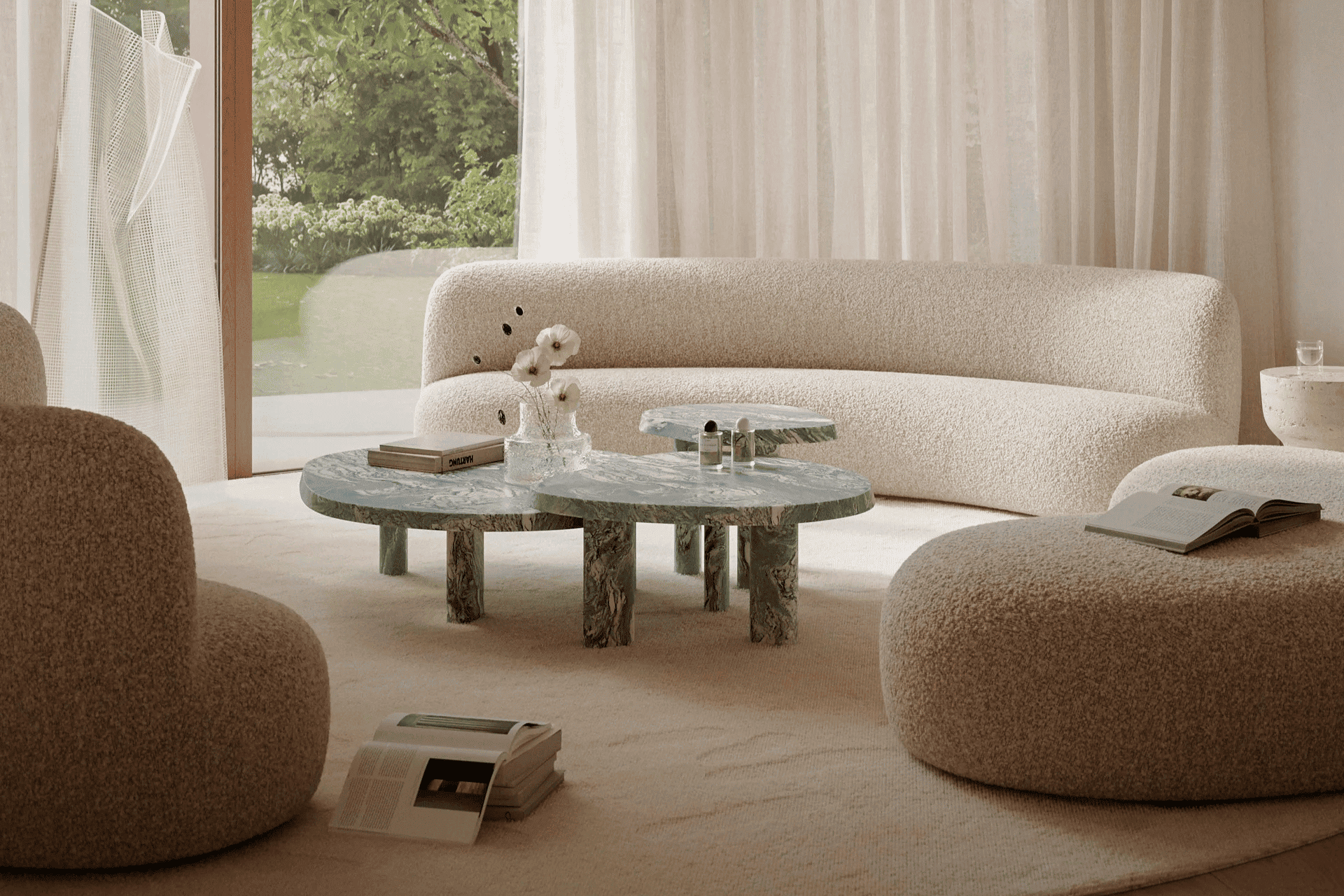
Paloma Editions Expands into the U.S. Luxury Furniture Scene

Above: Image from Paloma Editions

Luxury design is an experience of intention, detail, and emotional resonance. At its core, it reflects a commitment to craftsmanship, where every curve, texture, and proportion is considered with precision. As the global appetite for curated, artisanal design continues to grow, one Australian brand is capturing international attention with quiet confidence and sculptural elegance. Paloma Editions, a rising star in the world of luxury homeware, is redefining contemporary design with a focus on timeless craftsmanship, natural materials, and minimalist refinement.

Founded in Australia, Paloma has built its reputation on producing limited-edition collections that blur the line between function and fine art. Each piece is a study in restraint and precision, objects that speak softly yet leave a lasting impression. Now, the brand is poised to bring its distinctive design philosophy to a broader audience, with a highly anticipated entry into the U.S. market.

Brand Origins & Design Ethos

Born in Australia, Paloma Editions draws inspiration from architecture, natural forms, and traditional craftsmanship. Each collection is conceived as a limited series, featuring materials like stone, bronze, and ceramic, meticulously shaped into understated, sculptural forms. The brand champions slow design, focusing on quality, intentionality, and enduring elegance.

Global Expansion Strategy

The brand has already established a strong local footprint through collaborations with Australian design studios and features in leading lifestyle publications. Its decision to enter the U.S. market is both bold and strategic, targeting a consumer base that values artistry over mass production. It plans to introduce a carefully curated selection of products through luxury showrooms, online platforms, and key design fairs across the country.

U.S. Market Positioning

Rather than saturating the market, Paloma aims to build lasting relationships with a select network of tastemakers, interior designers, and boutique retailers. Exclusive partnerships and limited-edition offerings will anchor its American presence, ensuring the brand retains its air of rarity and quiet sophistication.

Paloma Editions’ expansion into the U.S. underscores a broader trend: the rise of boutique luxury brands that prioritize soul, sustainability, and sculptural beauty. As the brand steps onto the global stage, it brings with it a vision of luxury that is tactile, curated, and quietly powerful. For those seeking to infuse their spaces with meaning and material poetry, Paloma offers an invitation to live with artful intention.

Stay up to date on the latest luxury industry news: https://worldluxurycouncil.com/insights-news        

SOURCES: WWD, YAHOO, PALOMA EDITIONS

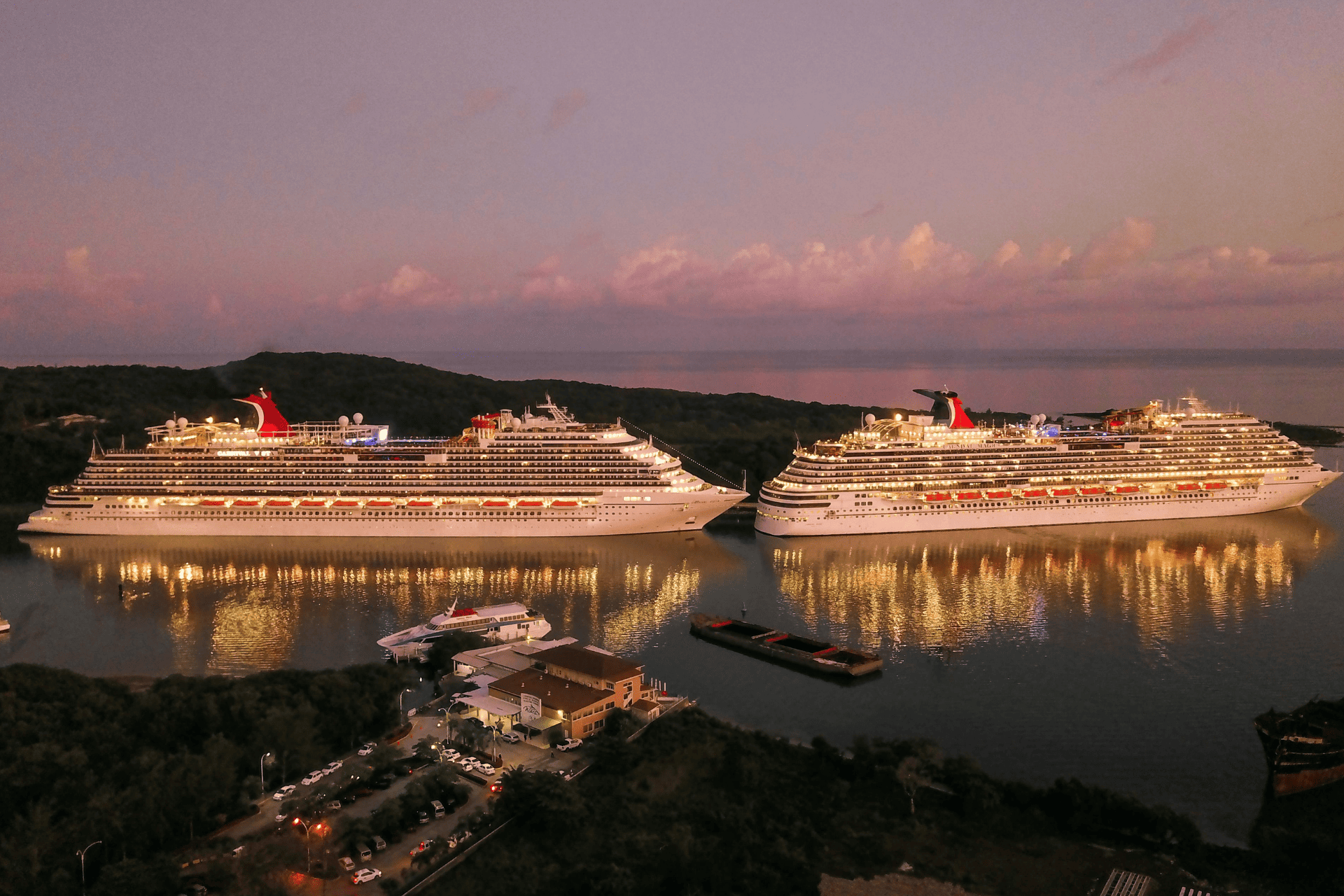
New Horizons Ahead for the Cruise Industry

Oceania Allura, a 1,200-guest luxury vessel built at the renowned Fincantieri shipyard in Genoa, marks the second addition to Oceania’s Allura Class, following the acclaimed launch of her sister ship, Oceania Vista, in May 2023. At 246 m long and more than 67,800 gross tons, Allura sets a new benchmark in boutique cruising, boasting the most spacious standard staterooms at sea, all exceeding 290 ft², and a proximity to service unmatched in the industry: two crew members for every three guests, and a chef dedicated to just eight guests.

Central to the Oceania ethos, “Finest Cuisine at Sea”, Allura introduces several firsts and fresh culinary concepts. The ship debuts a dedicated Crêperie, offering handcrafted French crêpes, Belgian waffles, and Italian-style ice cream sundaes, a brand-first on the seas. The signature French restaurant, Jacques, named after legendary chef Jacques Pépin, returns in a refined iteration, offering updated classics such as duck à l’orange and theatrical table-side preparations of hand-cut beef tartare.

Allura’s culinary voyage continues at Red Ginger, where a new Nikkei menu fuses Japanese and Peruvian artistry. Highlights include vibrant tuna ceviche marinated in leche de tigre, slow-braised short ribs paired with lomo saltado, miso-infused sweet potato mousseline, and crispy soft-shell crab bao buns. Meanwhile, its Grand Dining Room showcases over 270 brand-new recipes, from breakfast innovations like smoked salmon eggs Benedict to signature brunch options, crafted under the watchful eye of Master Chefs of France Alexis Quaretti and Eric Barale.

Beyond gastronomy, Allura elevates the onboard epicurean experience with a newly launched Gerard Bertrand Wine Pairing Luncheon. This sommelier-led tasting menu perfectly matches celebrated French vintages with thoughtfully chosen dishes that bring out each wine’s character

Looking ahead, Oceania Cruises announced plans for two Sonata-class ships, Oceania Sonata ™ arriving in summer 2027 and Oceania Arietta™ in 2029, expanding further with confirmed orders for sister vessels in 2032 and 2035. This ambitious fleet expansion underscores the brand’s enduring alliance with Fincantieri and its bold vision for the future of small-ship luxury cruising.

Stay up to date on the latest luxury industry news: https://worldluxurycouncil.com/insights-news/      

SOURCES: NCLH

AI as the New Artisan: Erik M. Nilsen Shares How Emerging Tech is Transforming Luxury

In an era where technology often feels at odds with exclusivity and craftsmanship, Trifork is pioneering a fresh approach, melding deep tech expertise with a design-driven mindset to elevate luxury beyond convention. Alexander Chetchikov, President of WLCC, sat down with Erik M. Nilsen, CEO of Trifork Spain, to explore how AI, spatial computing, and voice technology are not just streamlining operations but reshaping how luxury brands connect with their most discerning clients.

From hyper-personalized experiences to privacy-conscious innovation, this conversation offers a compelling glimpse into the future where technology enhances, rather than replaces, the human touch in luxury.

Alexander Chetchikov: To begin, could you share how Trifork helps companies leverage emerging technologies and how that approach might translate into opportunities for the luxury industry, especially with AI?

Erik M. Nilsen: At Trifork, we are all about building smart digital solutions by combining deep tech expertise with a creative, design-driven mindset. We help companies make the most of emerging technologies (like AI, IoT, and spatial computing) not just to run things more efficiently, but to rethink how they connect with people. In the luxury world, that might mean using AI to create more personalized experiences, anticipate what clients need, and make interactions feel seamless across both digital and physical spaces.

We’ve seen this work across industries. For example, with Porsche, we explored how immersive tech like Apple Vision Pro could create entirely new customer experiences. And with Swiss International Air Lines, we built an in-flight app that gives crew members real-time insights into passenger preferences, making the service feel more personal and intuitive. These kinds of projects show how tech can elevate the customer journey without losing the human touch.

AC: Turning to the luxury sector specifically, how do you see voice AI transforming customer service, and what impact could it have on the overall client experience?

EMN: Voice AI has a lot of potential to elevate luxury service. Sure, it might not capture every nuance of a human conversation, but it’s consistent, remembers every interaction, and doesn’t have off days. At this point, it can feel more like talking to a trusted advisor than a chatbot. Imagine asking for something in your own words and getting a response that is helpful and tailored to you. That’s powerful, especially in luxury, where time and discretion are everything.

That said, it’s important to get it right. We’ve all had frustrating experiences with voice systems that don’t solve our problems. That’s why it’s crucial to do the groundwork before rolling it out. For instance, in our work with Topdanmark, we helped implement a voicebot that significantly improved customer satisfaction by actually resolving issues, not just routing calls. That kind of success comes from deep domain knowledge and careful design.

AC: In your view, what are some of the most promising – or perhaps underexplored – use cases of AI that could redefine luxury, whether in retail, hospitality, real estate, or other segments?

EMN: One really exciting area is predictive personalization. Using AI not just to react to what people do, but to anticipate what they might want next. In hospitality, that could mean preparing a room based on a guest’s mood or past preferences. In real estate, it might be about showing properties that match someone’s lifestyle, not just their budget.

We’ve also seen how generative AI can play a role in co-creating custom products or experiences with clients. And when you combine that with spatial computing, the possibilities are huge. Imagine designing your dream car, home, or yacht based on who you are, and being able to walk through it virtually before it’s even built. We’ve explored similar ideas with clients in automotive and architecture, and the feedback has been incredibly positive.

AC: Luxury clients value both personalization and privacy. How can AI help brands strike the right balance between hyper-personalization and the discretion their clientele expects?

EMN: That balance is everything. In luxury, trust and discretion are non-negotiable. AI can help deliver more personalized experiences, but only if it’s done thoughtfully. It’s about making things feel effortless and respectful, not invasive. That means being intentional with how data is used and always putting the customer’s comfort first.

At Trifork, we’ve worked with clients in finance and healthcare – two of the most privacy-sensitive industries – and we’ve learned that responsible innovation starts with empathy and transparency. For example, in our work with GROOT, a digital health platform, we helped design a solution that’s both highly personalized and deeply respectful of user privacy. That same mindset applies perfectly to luxury.

AC: Can you share any standout examples – either from Trifork’s work or the broader tech landscape – where AI has meaningfully elevated a premium customer journey?

EMN: One that stands out is our work with Swiss International Air Lines. We built a smart in-flight service app that gives cabin crew real-time access to passenger preferences, like meal choices, language, and even when they prefer to be served. It makes the whole onboard experience feel more personal, especially in business class, where expectations are high.

What’s also great is how the app helps reduce waste. It uses data and AI to better predict meal demand, so there’s less food waste and fewer disappointed passengers. It’s a win-win: better service and more sustainable operations. For a brand like SWISS, which is all about quality and precision, this kind of innovation reinforces its premium feel.

AC: For luxury brands still hesitant about adopting AI, what do you see as the biggest missed opportunity?

EMN: The biggest miss is thinking of AI as just a disruptor, instead of a way to strengthen what makes a brand unique, and even speed up the sales process. When used right, AI can deepen emotional connections, streamline operations, and unlock new creative possibilities.

And let’s be honest – today’s customers are more informed than ever. They’re doing their research online before they even step into a store. If brands can connect that online journey with the in-store experience, so it feels like one continuous conversation, that’s where the magic happens. We’ve helped clients in retail and banking do just that. For example, in a recent project with a luxury retailer, we helped bridge the gap between digital browsing and in-store service, creating a seamless, high-touch experience that customers loved.

AC: Finally, looking ahead: how should luxury brands think of AI not just as a tool, but as a creative and strategic partner in crafting future-ready, high-touch experiences?

EMN: Luxury is about emotion, storytelling, and identity. AI can be a creative partner in that journey, helping brands design experiences that are not just personalized but meaningful. Whether it’s immersive digital spaces, curated collections, or smarter service design, the future of luxury will be shaped by how well we blend human creativity with intelligent technology.

At Trifork, we’ve seen this firsthand in projects where AI helped brands not only improve service but also unlock new ways to express their identity. It’s not about replacing the human touch—it’s about amplifying it in ways that feel authentic and unforgettable.

Closing Thoughts:

As luxury brands stand at the crossroads of tradition and transformation, Erik M. Nilsen’s insights make one thing clear: AI is not the enemy of exclusivity but its new creative partner. When wielded with empathy, precision, and respect for privacy, technology can amplify the emotional storytelling and impeccable service that define true luxury. The future belongs to those who embrace AI not merely as a tool but as a strategic ally, crafting experiences that are as intelligent as they are unforgettable. For brands ready to blend art with algorithms, the opportunity is limitless.

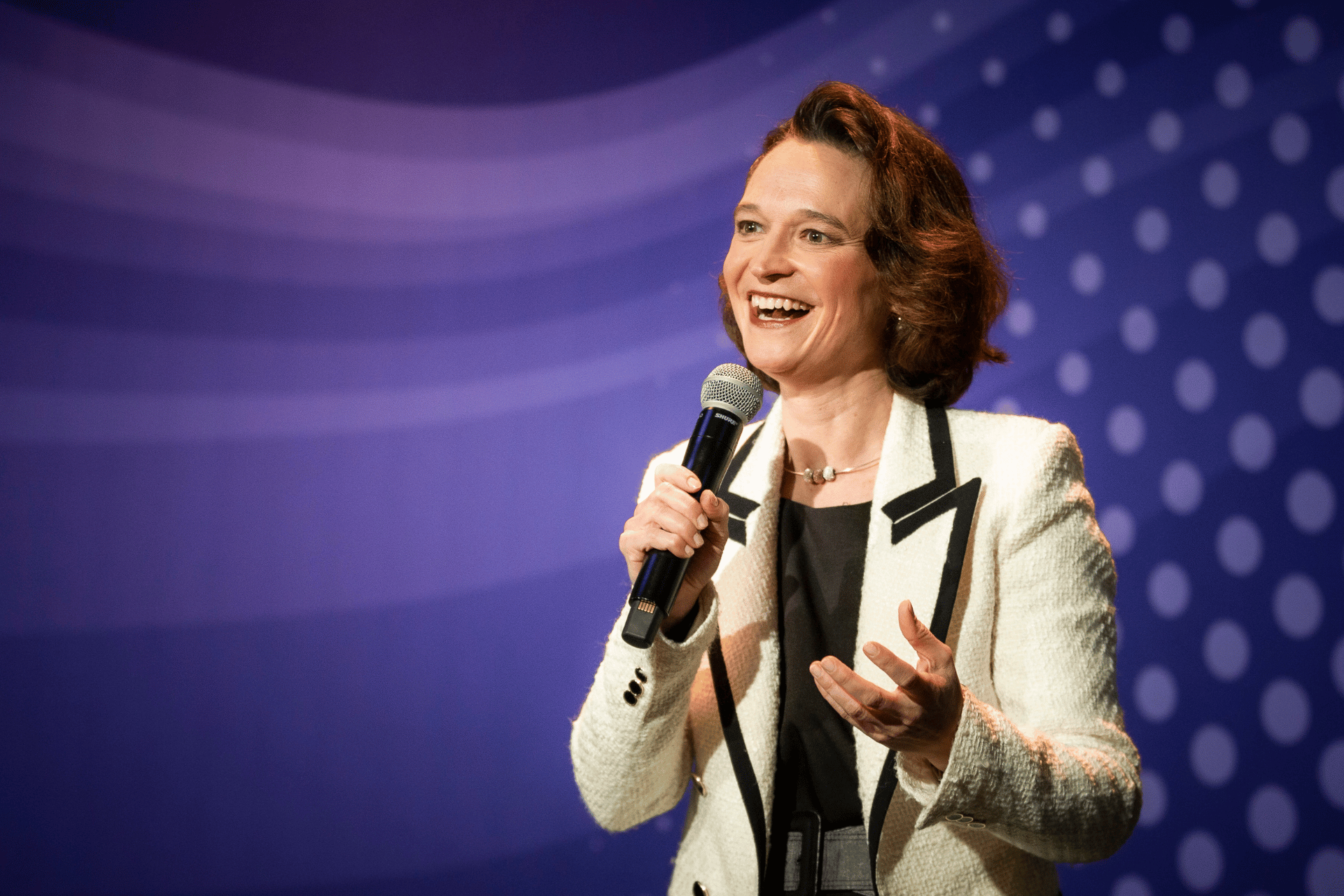
Leading with Relational Intelligence: An Exclusive Conversation with Michaela Merk

Great luxury brands don’t just train staff; they train emotional intelligence. Michaela Merk, PhD, CSP, GSF, is a leading expert in Relational Intelligence, teaching global brands how to transform everyday encounters into lasting emotional bonds. As the author of Luxury Sales Force Management: Strategies for Winning Over Your Brand Ambassadors and host of the Luxury Leadership Talks podcast, Merk is trusted by the world’s top luxury brands, including Hermès and Louis Vuitton, for her expertise in turning client interactions into lasting brand loyalty.

In this exclusive conversation with Alexander Chetchikov, President of the World Luxury Chamber of Commerce, Merk offers powerful insights from her decades-long career in luxury training and academic leadership. Her message is clear: personalization, passion, and purpose are what today’s premium clients value most.

Alexander Chetchikov: Michaela, your approach to Relational Intelligence has had a significant impact on leadership and customer engagement. How do you define relational intelligence, and why is it critical for leaders and businesses in the luxury industry today?

Michaela Merk: Relational Intelligence is our ability to connect with a wide range of people with whom we want or need to build relationships. This diversity may relate to gender, age, profession, personality, but also to tastes, desires, or cultural background.

The luxury industry is known for its pursuit of excellence. Its products and services are sought after by the most demanding clients, who expect brands to deliver impeccable service of the highest standards. Of course, product quality is essential, but what matters even more is the personal bond they can form with their sales or personal advisor. The most successful sales teams I have trained and observed over the past 20 years master Relational Intelligence brilliantly, showing an exceptional ability to adapt to these highly discerning luxury clients.

My new book, Le Pouvoir de l’Intelligence Relationnelle (The Power of Relational Intelligence), highlights 30 golden rules for successful leadership. Many examples are drawn from the luxury industry.

AC: You’ve worked with some of the most renowned luxury brands. Can you share a key lesson or strategy that these brands use to maintain customer loyalty, and how can smaller businesses or startups apply this to their customer experience?

MM: Luxury clients expect highly personalized, individual service.

They do not appreciate being treated like everyone else. That’s why the most successful luxury brands place great importance on developing tailored experiences: a sales ceremony in which the client’s personality is decoded, a gesture such as adding a personal note to a product, a handwritten thank-you card after a purchase, an invitation to exclusive and confidential events to reward client loyalty, or gifts that are not standard but adapted to individual preferences detected during the client’s visit. Every detail is carefully noted and stored in a highly refined database to maintain a personalized relationship with the customer. This enables teams to better anticipate and prepare for the client’s next visit to the store or brand environment. This approach applies not only to luxury boutiques but also to fine dining, high-end hospitality, and any setting where clients expect more than the standard.

AC: As a professor and executive coach, how do you integrate academic theory with the practical challenges business leaders face, and what is one concept from your teachings that has proven especially valuable in real-world applications?

MM: Most iconic luxury brands boast a long and remarkable history spanning one, two, or even three centuries. Legendary maisons like Hermès, Cartier, and Louis Vuitton have mastered the art of building desirability around their products and services.

In my research, I sought to identify the key elements that make luxury brands so desirable that money becomes secondary; what truly matters is the “must-have” factor. I found that six main dimensions consistently stand out:

  • D for DNA – a deep and ongoing connection to the brand’s origins and its founder
  • E for Emotion – the use of multi-sensory marketing to create meaningful experiences
  • S for Surprising Stories – captivating narratives that spark curiosity and attachment
  • I for Innovation – staying ahead of trends and continuously reinventing
  • R for Rarity – cultivating exclusivity and uniqueness
  • E for Excellence – a relentless pursuit of the highest standards

I have developed a conference built around these concepts to help brands and companies enhance their own desirability, even if they are not positioned as luxury brands. The title of the conference is:
“Selling Premium: Elevating Your Brand with the Secrets of Luxury.” Find out more about this conference using this link: www.michaela-merk.com

AC: In your podcast “Luxury Leadership Talks,” you’ve engaged with top CEOs. What common traits or behaviors do you believe define the most resilient and influential leaders in the luxury sector, and how can emerging leaders cultivate these traits?

MM: I developed this filmed podcast to give inspiring leaders and personalities who shape the luxury world a platform to share their vision and wisdom.

Interviewing these remarkable individuals revealed that they all share three key qualities:

  1. Passion – They all spoke with a sparkle in their eyes, expressing deep love for their sector, their brands, their teams, and their clients.
  2. Heritage – They were eager to share their thoughts publicly on my podcast because they are passionate about passing on their knowledge to young professionals and future leaders in the luxury industry.
  3. Excellence – They all emphasized that success in the luxury world demands a relentless pursuit of excellence and hard work. Since nothing in luxury can remain average, there must always be a drive to push beyond limits.

If you want to dive into the captivating content of each episode, here is the direct access: https://merk-vision.com/podcasts/

AC: Your book “Luxury Salesforce Management” provides insights into customer-first approaches. What are the key mistakes luxury sales teams make when trying to engage high-end clients, and how can they overcome these challenges to ensure a more personalized and successful sales approach?

MM: I have observed several recurring mistakes among sales teams serving luxury brands and catering to highly demanding customers.

The most critical mistake is when sales advisors place themselves above the brand, which often comes across as arrogance. Giving clients the impression that they are special simply because they represent names like Chanel or Prada does not mean they are Gabrielle Chanel or Miuccia Prada. On the contrary, the best sales teams remain humble, serving the brand and its mission with full respect for its values and heritage.

Another common mistake, closely related, is when salespeople become so passionately identified with the brand that they lose touch with their own personality, immersing themselves entirely in the brand’s identity. This becomes problematic when they eventually leave the brand – many find themselves lost, having neglected to nurture their own unique personal identity.

Therefore, one of the greatest challenges when working for luxury brands is finding the right balance between identification with the brand and the preservation of one’s personal brand.

Thank you, Michaela!

Michaela’s sharp blend of academic rigor and industry insight has made her a sought-after voice in luxury leadership. From decoding the subtleties of high-end service to building emotional loyalty, her work champions the human side of excellence. Stay connected with her via LinkedIn and explore her latest projects at michaela-merk.com.

To discover more thought leadership from industry experts like Merk, visit https://worldluxurycouncil.com/insights-news/

Hotel Pop-Ups Go High Fashion for Summer 2025 

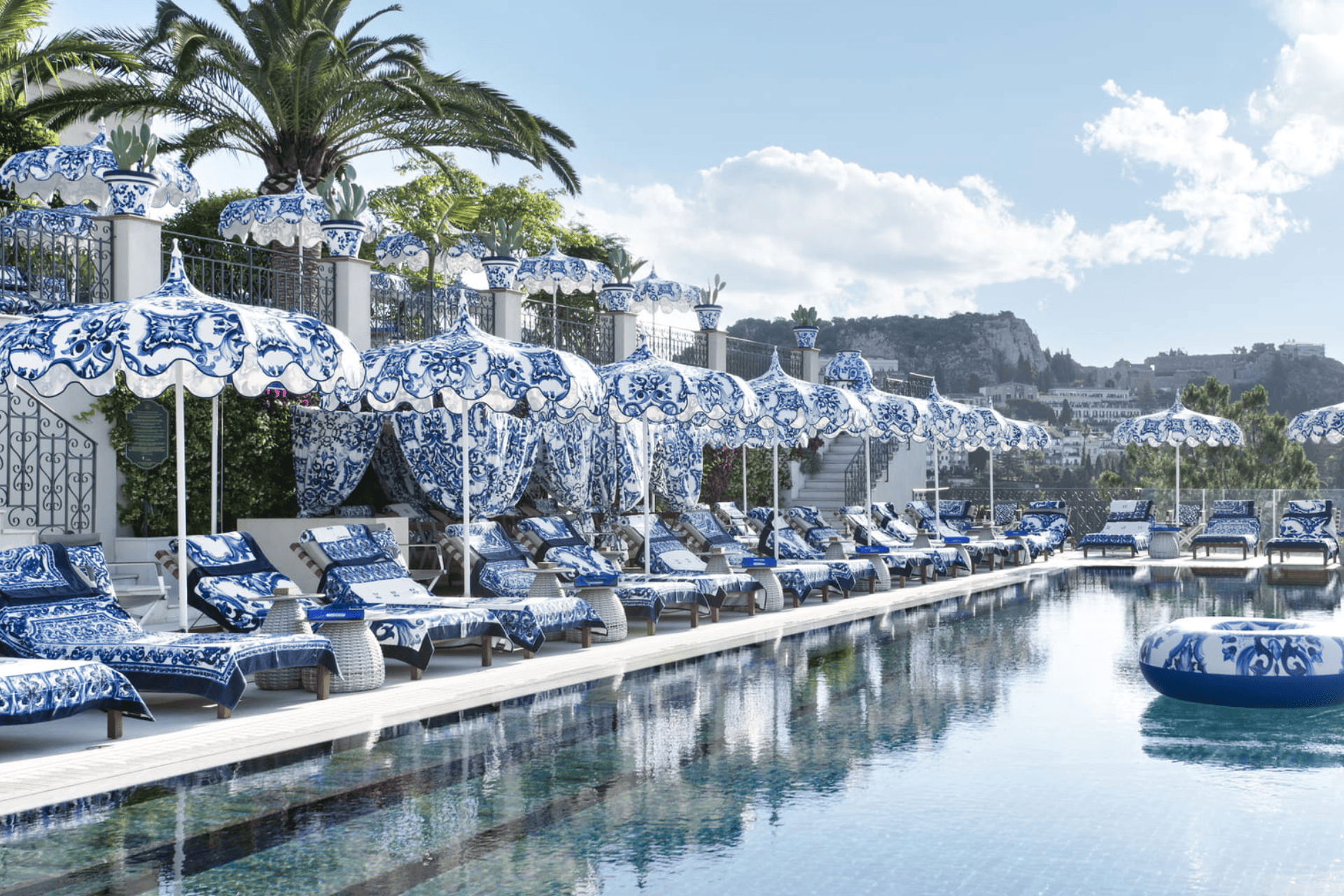
Above: Dolce & Gabbana boutique pop-up at the Four Seasons Hotel in San Domenico Palace, Taormina

At a sun-soaked resort in Sicily, a towel isn’t just for drying off; it’s a €559 Dolce & Gabbana showpiece. Welcome to a growing trend reshaping high-end travel: fashion houses are setting up limited-run activations at some of Europe’s most exclusive hotels. 

From Dior-branded buoys floating off Capri to bold Missoni stripes stretching across pool decks in Ibiza and Mykonos, these high-fashion pop-ups are transforming seasonal hospitality into visually charged experiences. They’re designed to captivate guests, generate buzz, and spark a flood of social media posts. For brands, it’s a strategic way to reach affluent travelers; for hotels, it’s a way to offer something fleeting, exciting, and undeniably share-worthy. 

Luxury hotels across Europe are partnering with major fashion houses to create immersive seasonal pop-ups, transforming their spaces into visually striking branded experiences. From Dolce & Gabbana-themed pool decks in Sicily to Missoni-patterned beach clubs in Mykonos, these short-term installations are designed to capture attention, both in person and on social media. The offerings range from custom sunbeds and branded cocktails to exclusive fashion items available only to hotel guests. 

These collaborations come at a time when luxury retail is slowing down, but high-end travel continues to thrive. Fashion brands gain access to a wealthy, travel-savvy audience, while hotels benefit from increased bookings and media buzz. Especially younger generations are drawn to one-of-a-kind experiences that feel both aspirational and “Instagram-worthy.” Hotels like Puente Romano Marbella and the Newt in Somerset have already seen notable returns from previous pop-up activations. 

However, not all properties are being acquired through loud takeovers. Some are choosing more understated integrations to maintain their brand identity and guest focus. Hoteliers are wary of appearing too commercial or dependent on external labels, and some, like Rosewood in Riviera Maya, aim to highlight local artisans alongside fashion partnerships. Ultimately, the trend reveals a strategic pivot: in a shifting luxury landscape, the destination is becoming the showroom 

Main Takeaways: 

  • Luxury hotels and fashion brands are teaming up to attract high-spending travelers. 
  • Pop-ups offer exclusive, short-term experiences that boost visibility and revenue. 
  • Social media drives demand, especially among Gen Z and affluent guests. 
  • Hospitality is growing, while retail is slowing, making travel a prime branding opportunity. 
  • Subtle execution matters to avoid brand misalignment or guest fatigue. 

Fashion-meets-hospitality partnerships are proving to be one of the savviest strategies in luxury today. In an era where Instagram likes can drive travel decisions and exclusivity remains a powerful currency, these branded takeovers deliver on both. 

Stay up to date on the latest luxury industry news: https://worldluxurycouncil.com/insights-news        

SOURCES: THE BOF 

Luxury States: New Codes of Luxury 2025 Report by The Future Laboratory

Image credit: New Frontiers by Neiman Marcus. Photography by Arnaud Lajeunie, US 

Overview

The Five Luxury States are a vital framework that maps the emotional and psychological journeys individuals take within the luxury sector. Developed by The Future Laboratory, these states form the foundation of a proprietary strategic model that redefines how we understand luxury today.

From this framework, a new set of Luxury Codes has been developed, providing businesses with the tools to speak the evolving language of luxury and stay ahead in an ever-changing market.

What’s Inside the Report

The Future Laboratory’s Five States of Luxury framework provides brands with a strategic tool to better understand consumer behavior and proactively meet the future needs of luxury audiences.

Luxury States: New Codes of Luxury 2024–2025

For decades, luxury businesses have worked to anticipate and respond to the changing expectations of their clientele. This framework outlines five distinct emotional and psychological states that shape the luxury experience:

  • State One: Acquisition
  • State Two: Discernment
  • State Three: Emotion
  • State Four: Responsibility
  • State Five: Elevation

Foresight

The report presents speculative scenarios set 5–10 years in the future, identifying emerging opportunities driven by cultural shifts, innovation, and industry evolution:

  • 360-degree Culture
  • Exploration Brands
  • Future Architects
  • Co-lab
  • Brands Responsible, with Attitude

Strategic Worksheets

To navigate the evolving luxury landscape, the report includes practical worksheets that enable businesses to align their brand, product, or service with the most relevant states, supporting impact analysis and future-focused strategic planning.

Get the report

This report is based on research from the Luxury Sector on LS:N Global. Get the full report here: https://www.thefuturelaboratory.com/luxury-states-new-codes-of-luxury-2024-2025

*This is a downloadable PDF report. Please consider the environment before printing.

Exclusive Interview: Diana Verde Nieto on Purpose-Driven Luxury

In this exclusive feature, Alexander Chetchikov, President of the World Luxury Chamber of Commerce, sits down with Diana Verde Nieto, co-founder of Edify Collective and a globally recognized leader in business transformation, sustainability, and purposeful innovation. A pioneer in aligning strategy with impact, Diana has spent more than two decades guiding organizations through complexity, translating global challenges into resilient, high-performance solutions with lasting value.

As the force behind Edify Collective, an AI-powered, expert-led microlearning platform, Diana is revolutionizing workforce development by blending behavioural science with cutting-edge technology to build sustainability-literate, future-ready teams. She is also the author of Reimagining Luxury: How to Build a Sustainable Future for Your Brand, a critically acclaimed book exploring the intersection of purpose, design, and innovation in the new economy.

Beyond her entrepreneurial ventures, Diana serves on the boards of Watts 1874 and the British Beauty Council, holds a certificate in Global Leadership & Public Policy from Harvard Kennedy School, has been personally trained by former U.S. Vice President Al Gore, and was honored as a Young Global Leader by the World Economic Forum.

With a rare ability to connect commercial ambition with strategic sustainability, Diana offers a bold vision for the future of luxury, one where timeless values meet adaptive leadership in a rapidly evolving world.

Alexander Chetchikov: Diana, as a pioneer at the intersection of sustainability and luxury, how do you see legacy luxury brands balancing heritage with the urgent need for innovation and environmental responsibility?

DVN: In my book Reimagining Luxury, I explore how legacy luxury brands are redefining their relevance by navigating the delicate equilibrium between heritage and modernity. This balance is increasingly reflected in their strategic expansion into adjacent sectors such as hospitality and immersive experiences, areas that offer unique opportunities to deepen customer engagement and reinforce brand equity.

The convergence of fashion and hospitality, exemplified by partnerships such as Kim Jones and Aman Resorts, demonstrates how luxury brands are evolving from product-centric offerings to holistic lifestyle propositions. These collaborations enable brands to express their identity in curated, immersive environments,  building emotional resonance while opening new revenue streams.

In parallel, sustainability has emerged as a critical lever of long-term value creation across the sector. While some luxury Maisons are embedding social and environmental principles into their operating models with measurable outcomes, others remain at an earlier stage,  responding more to external pressures than internal transformation. The challenge and the opportunity lie in transcending compliance and positioning sustainability as a strategic differentiator. When integrated authentically, it becomes a natural extension of the brand’s values,  reinforcing the innovation that defines luxury. 

AC: In Reimagining Luxury, you emphasize purposeful innovation. Could you share an example where technological advancement has meaningfully accelerated sustainability within a brand or industry you’ve worked with?

DVN: I explore how innovation, when guided by purpose, can be a catalyst for real systems change. One example that stands out from my work is with La Prairie. While best known for their timeless elegance, they’ve been leaning deeply into technological solutions to embed sustainability into the core of their operations, both in product innovation, packaging, and operations. 

How do they do this? Rather than rely solely on internal progress, they established an external advisory board composed of individuals from NGOs, startups, and global sustainability leaders. This has enabled them to anticipate cross-industry trends and integrate innovation early, particularly in areas like eco-design, traceability, and packaging transformation. Their efforts are not reactive, but proactive, often moving ahead of regulation.

Another strong example is LVMH’s DARE program, which I mentored for 3 years. It gave employees permission to challenge norms, pitch ideas, and prototype solutions, many of which have led to scalable innovations like Nona Source, which repurposes deadstock materials from within the group’s Maisons. That’s a powerful shift, using internal creativity and tech-enabled traceability to reduce waste and create entirely new revenue streams.

What links both examples is that innovation was not just for innovation’s sake. It was designed to serve people and the planet not in an altruistic way but in a commercial way, still enhancing the essence of luxury. And when that alignment happens, sustainability stops being a cost and becomes a driver of relevance, growth, and cultural leadership.

AC: Looking ahead, how do you envision the concept of luxury evolving over the next 10 to 15 years, especially as emerging generations demand greater alignment with sustainability, technology, and social impact?

DVN: Over the next 2 to 5  years, luxury is poised to evolve from a symbol of status to a reflection of values, driven by emerging generations demanding authenticity, societal care, and environmental stewardship. This shift is evident in the rise of “quiet luxury,” where consumers favor understated elegance and timeless design over conspicuous branding. Brands like The Row exemplify this trend, focusing on quality craftsmanship and subtlety rather than flashy logos. Sustainability will become integral, not just in marketing but embedded across operations, with consumers observing brands’ embodiment of sustainability rather than mere communication.

Technological advancements will facilitate personalized experiences, something that people value greatly. Companies like Edify Collective are at the forefront, offering AI-powered microlearning to equip employees with essential skills and sustainability knowledge, fostering internal advocacy, and aligning brand values with consumer expectations. Additionally, Gen Z’s embrace of resale culture underscores affordability and individuality. Approximately 80% of Gen Z consumers purchase second-hand goods, driven by economic considerations, environmental concerns, and the desire for unique fashion statements. As luxury brands embrace these changes, they will not only meet the evolving demands of their consumers but also contribute meaningfully to a more equitable future.

These trends challenge traditional luxury brands to reconsider their strategies. To remain relevant, these brands must adapt by integrating sustainability seamlessly into their operations, offering personalized experiences through technological advancements, and acknowledging the importance of resale and circular fashion models. By doing so, they can align with the values of emerging consumers who prioritize authenticity, social responsibility, and environmental stewardship over conspicuous consumption.

AC: Thank you, Diana, for such a thoughtful and illuminating conversation. It has been a privilege to explore your journey and hear your unique perspective on the intersection of sustainability, innovation, and luxury.

Your reflections offer a timely and necessary reminder that true leadership lies in the ability to adapt with purpose, bridging legacy with progress, and commerce with conscience. The insights you’ve shared, from purposeful innovation to the shifting expectations of new generations, offer a compelling blueprint for the future of our industry.

As we move into this next era shaped by intelligence, integrity, and impact, your work continues to inspire a more resilient, inclusive, and visionary path forward.

Want to read more exclusives? Check out our news and insights: https://worldluxurycouncil.com/insights-news/

Sign up for our newsletter here: https://worldluxurycouncil.com/wlcc-community/

Sky-High Sophistication: Marriott Brings Iconic Brands to Calgary

The world of travel and elevated living is set to reach new heights in Calgary, as Marriott International partners with developer Truman to unveil a landmark trio of high-end hospitality ventures. In a bold move that underscores Calgary’s growing stature on the global stage, three distinct yet equally prestigious brands, W Calgary, JW Marriott Calgary, and an Autograph Collection Hotel, will debut within the city’s dynamic Culture + Entertainment District. This transformative, multi-billion-dollar investment marks Marriott’s inaugural entry into Calgary’s luxury hotel and residential market, promising to reshape the city’s skyline while keeping their standards of comfort, style, and service.

The 69-story W Calgary will bring bold design and vibrant energy, offering 157 rooms, 239 branded residences, and standout features such as an AWAY Spa, rooftop bar, and 16,000+ sq. ft. of event space. In contrast, the JW Marriott Calgary, at 62 stories, will emphasize wellness and serenity with 248 rooms, 120 residences, a JW Garden, multiple pools, and over 32,000 sq. ft. of meeting space. At Stampede Park, the Autograph Collection Hotel will offer 320 rooms, 15,000 sq. ft. of event space, and rooftop amenities designed to deliver uniquely curated guest experiences.

Together, the three properties represent a $1.47 billion investment that will enhance Calgary’s global reputation, support major tourism and convention events, and make a significant contribution to local economic growth, with the openings scheduled between 2028 and 2030.

At a Glance:

  • W Calgary: 69 stories, 157 rooms, 239 residences, spa, rooftop bar, event spaces
  • JW Marriott Calgary: 62 stories, 248 rooms, 120 residences, JW Garden, wellness focus
  • Autograph Collection Hotel: 320 rooms, rooftop lounge, 15,000 sq. ft event space
  • Total investment: $1.47 billion (private)
  • Jobs created: Over 9,100 (construction) and 2,000+ (ongoing)
  • Opening timeline: 2028–2030
  • Location: Culture + Entertainment District, Calgary

This multi-brand initiative brings world-renowned luxury hospitality to Calgary and also acts as a catalyst for city-wide revitalization. With a focus on innovation, lifestyle, and elevated guest experiences, Marriott, Truman, and Louson are setting a new standard for premium living in Canada. As Calgary continues to evolve into a global cultural and business destination, these projects will stand as enduring symbols of ambition, hospitality, and urban excellence.

Stay up to date on the latest luxury industry news: https://worldluxurycouncil.com/insights-news/      

SOURCES: MARRIOTT INTERNATIONAL

Something went wrong

Please try again later

Ok

    Ask About Member Deals

    Submit your request for media/press opportunities here, and we will provide you with all the details.


    Your form submitted successfully!

    We will be in touch soon with further details.

    Got it