Have a question? Call now! +16468108764

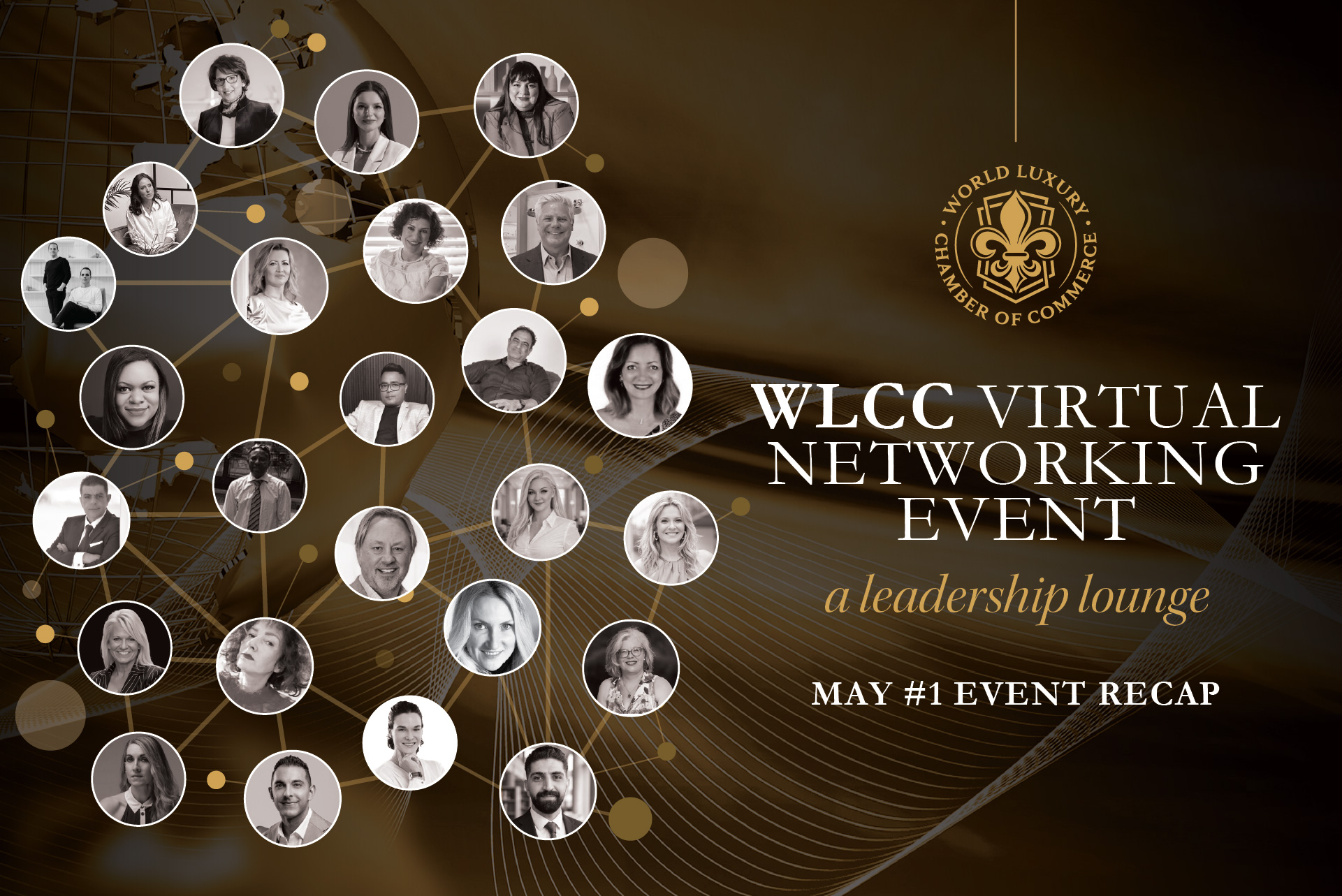
Event Recap: WLCC Leadership Lounge – May #1 2026

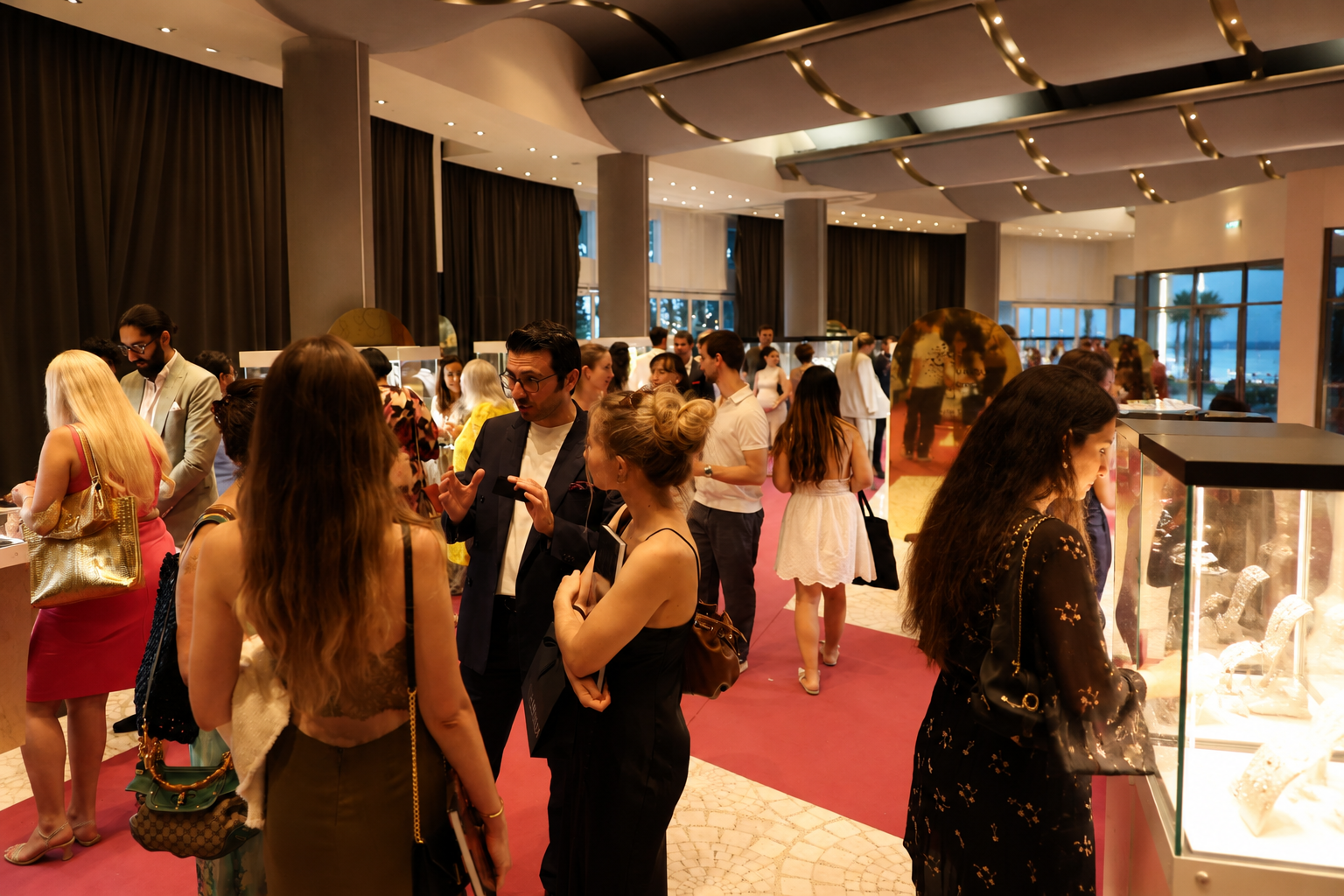
Inside the WLCC Leadership Lounge: From Selling to Hosting: The New Standard of Luxury Client Experience

At a time when AI, automation, and transactional communication increasingly shape business interactions, the latest WLCC Leadership Lounge explored a different question:

What if the future of luxury growth depends less on selling – and more on hosting?

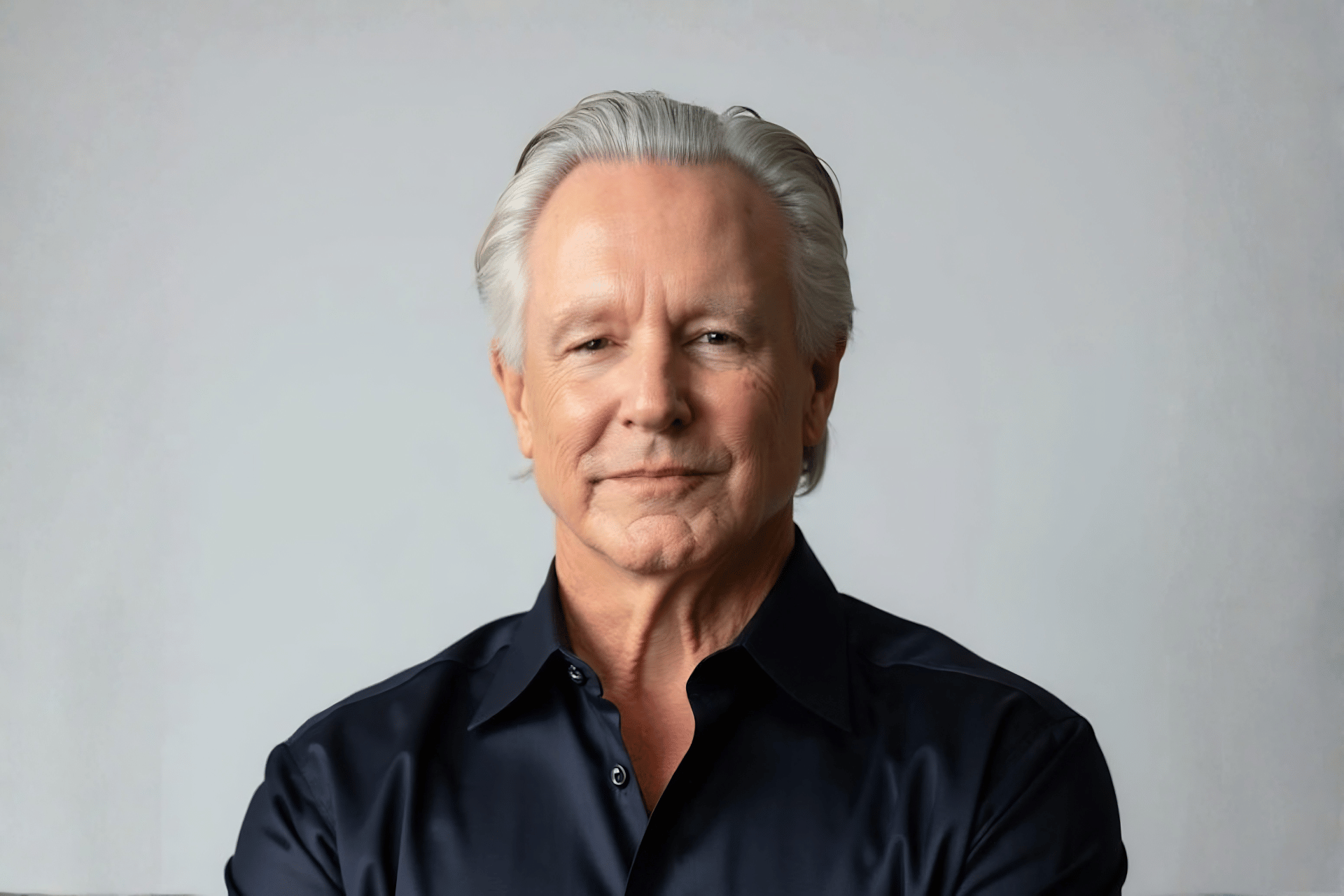
Bringing together founders, luxury executives, hospitality leaders, real estate professionals, designers, and advisors from around the world, this private WLCC gathering focused on one of the most important shifts shaping luxury industries today: the growing importance of trust, emotional intelligence, attentiveness, and human connection in high-value client relationships. The session featured Liz Batsche – Founder of Well Hosted, former LVMH executive, and former investment banker – whose perspective deeply resonated with participants across sectors ranging from luxury real estate and hospitality to private aviation, yachting, design, and international client services.

Drawing from her experience across both LVMH and high-performance corporate environments, Liz challenged participants to rethink luxury client experience not as a transactional process, but as a strategic business advantage rooted in trust, attentiveness, emotional intelligence, and long-term relationship building.

Through her H.O.S.T. Framework, she introduced a practical and highly relevant approach for leaders and client-facing teams seeking to strengthen presence, discernment, and meaningful human connection within today’s evolving luxury landscape.

Throughout the conversation, one theme continued to emerge:

Luxury clients no longer seek only products or services – they seek experiences, discernment, personalization, and relationships built on trust.

As Liz shared during the discussion, the future belongs to teams that learn to operate not simply as sellers, but as hosts.

The Human Side of Luxury

Many participants reflected on how strongly the conversation connected to the evolving expectations of today’s high-value clients.

Elena Andrianopoulou of Alpha Venus Management noted:

“What I particularly appreciated during the Leadership Lounge was the emphasis on the human side of luxury – the idea that long-term value is created not only through services or assets, but through trust, attentiveness, discretion, and meaningful relationships.”

Similarly, Stelios Dimakis, Founder of VIP Transfer, reflected on the importance of emotional intelligence and intentionality within luxury growth:

“Sustainable growth comes from positioning, emotional intelligence, discretion, and intention – not just visibility.”

Across industries, participants repeatedly returned to the idea that exceptional luxury experiences are remembered not because of transactions, but because of how clients feel.

Yulia Shirokova, Founder & CEO of ARTLUXE, shared:

“Clients may come for the brand, but they return because of how an experience made them feel – the attentiveness, thoughtful details, and the emotional intelligence behind them.”

Hosting Versus Selling

One of the most discussed themes of the session was Liz’s perspective that luxury businesses must move beyond transactional selling toward relationship-driven hosting.

Kassie Smith, Founder & CEO of KS Global and WLCC Honorary Board Member, reflected on how strongly this approach aligns with evolving luxury real estate expectations:

“Selling at a luxury level should not be transactional, but eventful. Affluent clients increasingly expect highly tailored journeys that reflect their distinct tastes, emotional connection, and lifestyle aspirations – reinforcing the growing importance of personalization, attentiveness, and memorable experiences across luxury industries.”

This sentiment was echoed by Verniese Lorielle Moore, Founder & CEO of VIE LORIE:

“Luxury is not simply about selling an item. It is about how a customer feels when they encounter your brand.”

Participants across the room recognized that trust, discretion, presence, and thoughtful personalization are increasingly becoming strategic business advantages rather than soft skills.

A Space for Reflection, Trust & Connection

Beyond business insights, many participants reflected on the atmosphere of openness and meaningful dialogue created throughout the session.

Marimar Doupal beautifully captured this sentiment:

“We have all hosted and been hosted to. It was a joy to see there is still room and appreciation for that kind of human connection in today’s world.”

For many, the value of the Leadership Lounge was not only the content itself, but the opportunity to engage directly with an international community of leaders navigating similar shifts across luxury sectors.

As Liz Batsche reflected after the session:

“It was a powerful reminder that luxury leadership is not just about excellence; it is about connection, discernment, and creating the conditions for trust to grow.”

A Global Luxury Community Built Around Relationships

From luxury hospitality and private aviation to real estate, fashion, design, wellness, and international client services, the session reinforced WLCC’s

commitment to creating spaces where strategic conversations lead to meaningful relationships, collaborations, and long-term business growth.

Lancia Soans, Founder of Lancia Designs, summarized the experience beautifully:

“I truly enjoyed meeting such an inspiring group of luxury brands and leaders, each contributing in their own way to positive change within the luxury industry.”

And as Abedalrazzak Alarid of Provident Property Management shared:

“WLCC continues to set a remarkable standard for relationship-driven professional networking within the luxury industry.”

The WLCC Leadership Lounge continues to bring together decision-makers, founders, and industry leaders who understand that the future of luxury will increasingly belong to those capable of combining excellence with emotional intelligence, human connection, and trust-driven experiences.

To explore upcoming Leadership Lounges and private WLCC gatherings, visit the WLCC Events Calendar: https://worldluxurycouncil.com/events/
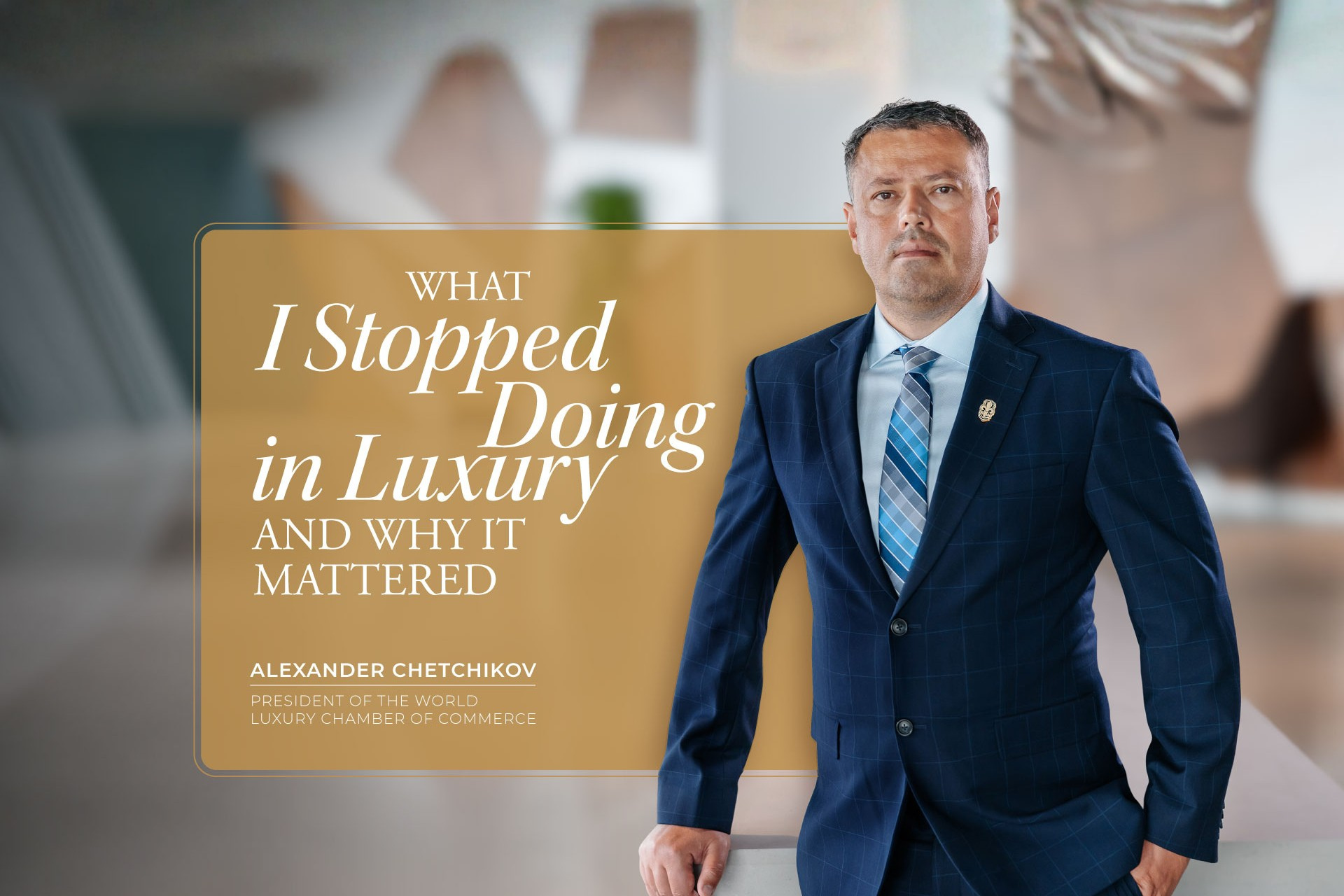
What I Stopped Doing in Luxury Marketing, And Why It Matters

For a long time, the luxury industry was perceived as a unified market with clear rules, relatively predictable consumers, and a shared understanding of what luxury actually means.

Over time, my perception of this market changed.

One of the biggest shifts in my professional thinking was realizing that modern Luxury is no longer one homogeneous audience. The industry has fragmented into multiple parallel worlds, each with its own psychology, values, cultural codes, and consumption logic.

The concept of the “luxury consumer” has become too generalized and increasingly disconnected from reality. Today, entirely different audiences coexist within the luxury market:

• Old Money and ultra-high-net-worth individuals, for whom luxury means privacy, silence, and security

• Children of wealthy families, for whom luxury is not a form of self-expression, but a natural living environment: a familiar level of service, surroundings, travel, education, and social codes

• The celebrity segment, bloggers, and digital creators, for whom luxury is deeply connected to visibility, visual perception, influence, and constant presence in the information space

• A new generation of entrepreneurs, tech founders, and crypto investors, for whom luxury is about identity, community, and belonging to a certain cultural environment

• Entrepreneurs from emerging regions, Asia, the Middle East, and other fast-growing markets, for whom luxury often becomes a tool for integration into global high society and a symbol of social transition

• Younger consumers who may save money in everyday life but are willing to spend a significant part of their income on a single luxury item as a status symbol, identity marker, or social signal

• Global nomads, for whom flexibility, experiences, and lifestyle ecosystems matter more than ownership itself

All of these people may buy luxury. But in reality, they are buying completely different emotions, meanings, and forms of belonging.

That is why I stopped looking at the luxury industry through one universal lens. Instead, I started asking different questions:

Which ecosystem are we actually speaking to?
What emotional need are we solving?
What does luxury actually mean within this specific audience?

The future of luxury will not belong to brands trying to appeal to everyone at once. It will belong to those who deeply understand the microcultures, emotional landscapes, and values of the worlds they serve.

Luxury is no longer one market. It is a constellation of different realities.

For more weekly insights from Alexander, follow him on LinkedIn.


WLCC regularly features insights from global luxury leaders. Join our community to receive new interviews and perspectives weekly: https://worldluxurycouncil.com/wlcc-community/

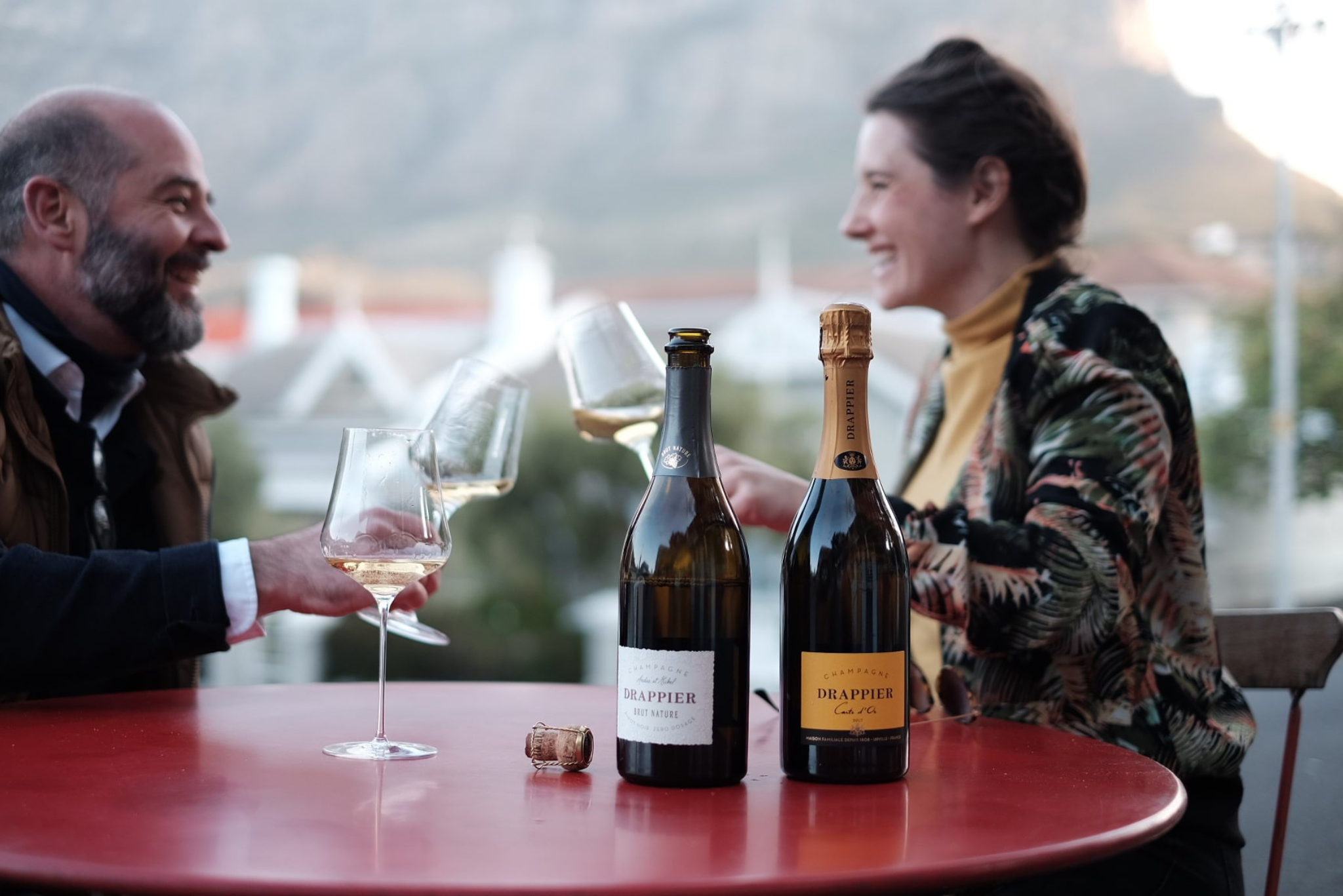
Brice & Burnett named South Africa’s Best Luxury Wine Retailer

Celebrating 25 years of heritage and a confident new chapter

Brice & Burnett, formerly Wine Cellar, has been named South Africa’s Best Luxury Wine Retailer by the Luxury Lifestyle Awards, reflecting the brand’s commitment to curated fine wine selection and a service-led client experience.

The prestigious global awards programme celebrates excellence across the luxury industry, highlighting brands that demonstrate innovation and leadership.

Brice & Burnett is recognised for its exceptional selection of local and international fine wines, as well as tastings, investment portfolios, wine brokerage, and professional cellaring services. Founded by collectors and friends David Brice and Richard Burnett, the online merchant has been at the forefront of the fine wine landscape for 25 years and was the first to consistently introduce Bordeaux wine futures (en primeur) to the South African market. The company rebranded from Wine Cellar to Brice & Burnett in March to better reflect its heritage and identity.

Commenting on the win, Alexander Chetchikov, President of the World Luxury Chamber of Commerce, said: ‘Brice & Burnett’s recognition as Best Luxury Wine Retailer in South Africa reflects the essential qualities that define modern luxury retail – curation, expertise, and a client experience built on trust. This achievement reinforces the brand’s role in shaping a more sophisticated fine wine culture and elevating expectations in the category.’

The brand is supported by a team of fine wine experts with decades of local and international experience.

Brice & Burnett CEO James Pietersen added: ‘Over the past two and a half decades, we’ve built our reputation on knowledge, integrity and a deep appreciation for fine wine. We’ve evolved over the years to meet the needs of our customers, and our new name honours the founders whose vision shaped the business, while better expressing our identity today. This award recognises the dedication to excellence that continues to define us.’

Previous Luxury Lifestyle Award winners include Krug, Château Lafite Rothschild, Domaine de la Romanée-Conti, Ornellaia and Klein Constantia.

How UHNWIs Travel in Uncertain Times (Hint: It’s Not About Luxury Anymore)

By The Fixer Lifestyle Group, WLCC Member

In a world that feels a little less predictable than it once did, travel has become a little more complex, shifting the way ultra-high-net-worth individuals choose to travel. What’s emerging is something deeper than just a change in behavior; instead, the shift begins in their perspective. These individuals are rethinking travel itself, prioritizing the less visible aspects of it, placing greater value on control, discretion, and certainty. This means that every itinerary needs to result in a carefully managed ecosystem, designed to keep the journey seamless even – or especially – when things don’t go to plan.

Safety, Privacy, and Digital Peace of Mind

“There was a time when security was only arranged ‘if needed’, but that is no longer the case (…)” states Amanda Herrera, Operations Director of The Fixer Lifestyle Group – as she continues ”nowadays safety is a key characteristic built into every layer of travel and therefore in every one of our itineraries”.  Airport transitions are pre-planned, routes carefully vetted, and residences are assessed for access and privacy, which has also undergone a similar shift. Today, discretion (besides being considered a true luxury due to the current oversharing era we are living in) needs to feel practical. Real-time social media posts are starting to be often avoided (being off-the-radar is the new trend), staff and suppliers may be required to sign NDAs, and properties are increasingly being chosen for their elevated privacy. The objective is to minimize exposure and maintain control over when or who has access to information, not to deceptively minimize the appearance of wealth.

Trust is the Real Currency

Our team at The Fixer leans into this priority with highly discreet bookings, low-profile arrivals, and most importantly, a trusted global network that understands confidentiality is never optional, yet it is absolutely foundational to their service. This is because the primary sources of risk today are mainly digital, hence travelling means connecting to many different networks, carrying sensitive data, and navigating systems that may not always be 100% secure. Modern travel planning accounts for these vulnerabilities, integrating secure communications, protected devices, and controlled connectivity.

Flexibility is Everything

On the other hand, flexibility has moved from being a convenience to being essential. Especially since the 2020 pandemic, the entire society has gained a much clearer understanding of what unexpected situations and true contingencies really mean. From one day to another, flights can be grounded, cities can close, and entire situations can shift – all faster than we think! For UHNWIs, top-notch contingency planning is absolutely essential for any trip. As Mrs. Herrera revealed: “(…) they expect us to have solutions to potential problems mapped out before those problems even appear. This kind of proactive risk management is a core part of the service HNWIs demand. What this means for us is that any travel plan has to naturally include multiple, solid, checked-out backup options. Having alternative driving routes or different backup cars ready to go, in case the main vehicle or road is compromised, for example. While for accommodation, it involves pre-booking backup spaces ready for use should anything happen with the primary lodging.” As she goes on: “Perhaps most critically, private jets and flights are just a standard part of the itinerary. This includes making sure we have access to various aircraft types and flight times, allowing us to instantly change departure times and destinations, while not depending solely on the traditional routes.” This flexibility ensures the UHNWI’s schedule is never held up by commercial airline rules or unexpected delays on the ground.

So, the resulting trip is never a rigid schedule. Instead, it is a dynamic, carefully engineered framework built for maximum adaptability. The itinerary must be able to pivot easily, soaking up unexpected changes – whether logistical, political, or personal, without the client ever noticing any friction in the quality of their experience. This effortless flexibility is the key sign of the high-level service UHNWIs expect as standard.

Where You Go Matters More Now than Ever

As UHNWIs rethink how they travel, destination choices have shifted accordingly. Popularity and prestige have taken a backseat to stability, infrastructure, and above all, the need to feel in control. Remote lodges, private islands, and off-market properties are always more attractive to their eyes. For being less crowded, less exposed – and therefore – less unpredictable, these environments allow elite travellers to move freely without compromise. And it’s not just about where to go, but who is involved: the people around them. Every person involved in a journey – such as drivers, villa staff, tour guides, pilots – either reinforces confidence or introduces risk. This is why UHNWIs are relying more heavily on trusted, carefully vetted networks, where every detail and every individual has been considered in advance.

Wellness = Feeling Safe

Interestingly, one of the biggest underlying drivers behind luxury travel today is emotional. People are looking to escape to recalibrate. They desire space, calm, and environments where they can genuinely disconnect, and especially when family is involved, the stakes rise further. Children increase visibility and vulnerability, requiring heightened security, medical readiness, and even more controlled environments. The experience still feels relaxed, but only because it is structured meticulously behind the scenes. With emotional reassurance having become just as important as physical safety, Mrs. Herrera reinforces “(…) guests do want to switch off, feel calm and unobserved, but that can only happen when there is certainty that everything else is in good hands being expertly handled”. This has contributed to the rise of quiet luxury: low-profile arrivals, private access points, and experiences that feel authentic yet always controlled.

So, What Does All This Mean?

The broader lesson is simple: luxury travel has shifted from ‘what do I get?’ to ‘how protected, safe, and in control do I feel?’ Delivering that level of confidence requires intelligence, networks, foresight, and an almost obsessive attention to detail. This is exactly the space The Fixer Lifestyle Group operates in. Beyond arranging trips, we structure environments that allow clients to move freely, stay protected, and experience the world with no friction. Every potential disruption is anticipated, every contingency planned, and every problem solved quietly before it even reaches the client.

As our Operations Director concludes, “In uncertain times like these, the most valuable thing you can offer a client isn’t access or exclusivity, it’s definitely certainty” – and when that is in place, travelling, besides still feeling exclusive, feels effortless, calm, and completely under control – this being the biggest luxury of all.

Discover discreet, seamless, fully managed journeys with The Fixer Lifestyle Group: https://www.the-fixer.co.uk/


WLCC regularly features insights from global luxury leaders. Join our community to receive new perspectives monthly: https://worldluxurycouncil.com/wlcc-community/.

WLCC Strengthens Its Real Estate and Development Leadership with Jason Margetts Joining the WLCC Board

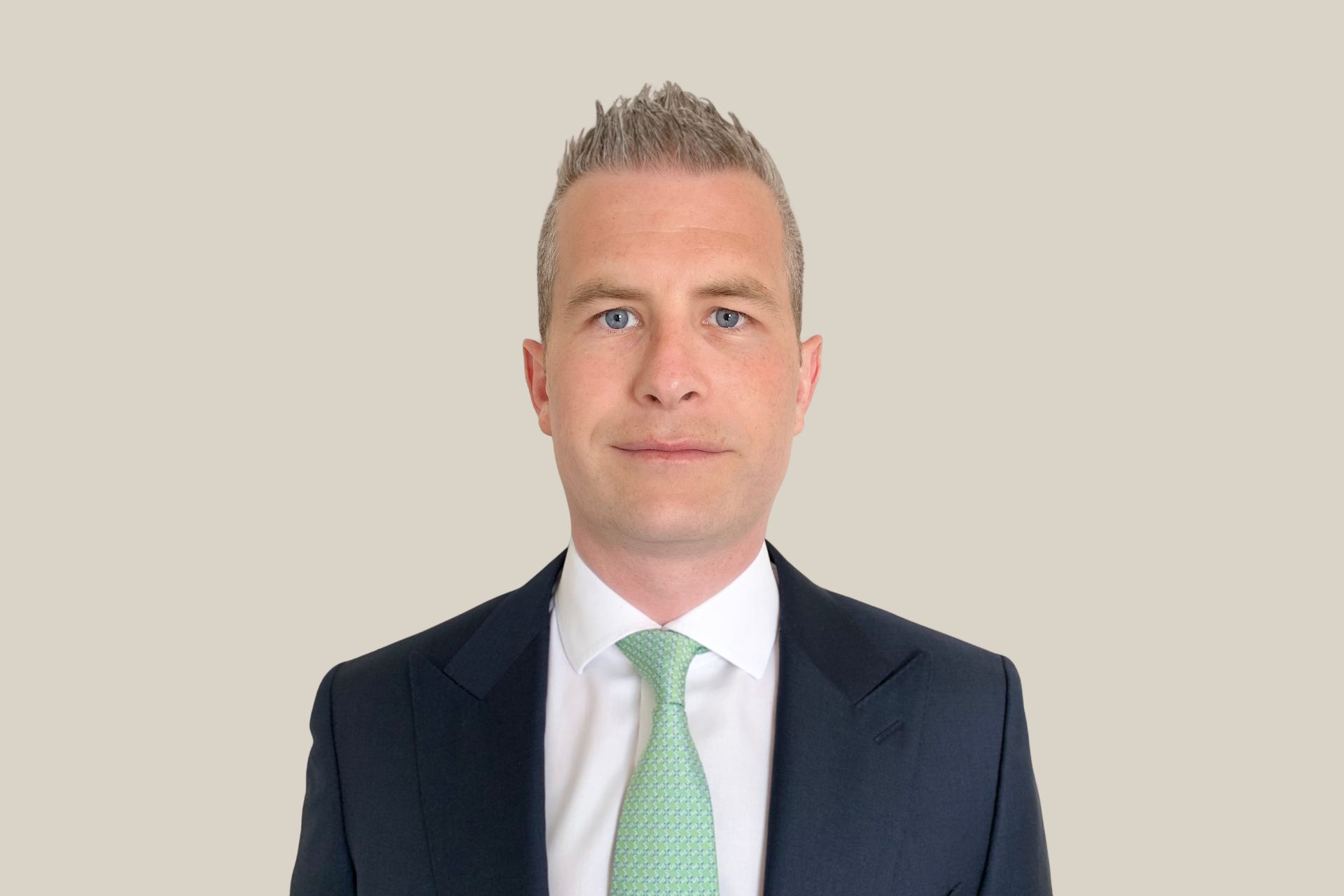
The World Luxury Chamber of Commerce (WLCC) is pleased to announce the appointment of Jason Margetts to its Board, further strengthening the Chamber’s global leadership across real estate, development, and strategic growth.

Jason Margetts is a senior real estate executive with over two decades of international leadership experience spanning large-scale development, operations, and commercial strategy. He currently serves as Group Chief Sales Officer at ROSHN Group, a Public Investment Fund–backed giga project in the Kingdom of Saudi Arabia, where he has been instrumental in building the organization from inception into a national market leader.

Bringing deep expertise across the full development lifecycle – from master planning and product strategy through to sales execution and customer experience – Jason leads a team of over 250 professionals and has delivered more than $8 billion in revenue over the past four years. His leadership has set new benchmarks in customer satisfaction and operational excellence at scale.

A recognized thought leader and award-winning executive, Jason combines strategic vision with hands-on execution. His insights into growth, transformation, and large-scale development will bring significant value to WLCC’s global initiatives and advisory direction.

Alexander Chetchikov, President of WLCC, commented:
“Mr. Margetts’s track record in building and scaling one of the most ambitious real estate platforms globally brings a powerful perspective to our Board. His expertise at the intersection of development, customer experience, and commercial strategy aligns strongly with WLCC’s mission to shape the future of luxury markets worldwide.”

Jason’s appointment reflects WLCC’s continued commitment to engaging globally respected leaders who actively contribute to innovation, collaboration, and strategic advancement across the luxury ecosystem.

The Chamber extends its warm congratulations to Jason Margetts and looks forward to a meaningful and impactful collaboration.

To view the full list of WLCC Board Members, please visit: https://worldluxurycouncil.com/about/board/.

The Unique Show, Luxury Monte-Carlo 2026: A Curated High Jewellery Experience

From June 11 to 13, 2026, the Principality of Monaco will host the return of Luxury Monte-Carlo, the signature format of The Unique Show, at the Le Méridien Beach Plaza .

Now in its seventh edition, the event has positioned itself as a focused platform within the international high jewellery calendar, bringing together designers, maisons, collectors, and industry professionals in a setting built for direct exchange rather than scale.

A Focused Format

Luxury Monte-Carlo is intentionally limited in size. The format favours selection over volume, allowing for conversations that are more direct and less transactional than at larger fairs.

More than 60 brands and designers will participate, alongside an invited international audience of clients and media. The result is a controlled environment where creative and commercial interests meet without unnecessary noise.

Program Highlights

The event extends beyond exhibition, integrating a small number of complementary moments:

  • The Unique Awards, recognising creativity and industry excellence
  • A haute couture presentation by Antonio Riva Milano
  • Private meetings and informal exchanges throughout the three days

These elements add context without overwhelming the core purpose of the event.

Audience and Positioning

Luxury Monte-Carlo operates as a B2C high jewellery platform, allowing brands to engage directly with collectors and private clients.

The previous edition welcomed over 1,600 visitors, and the 2026 edition follows the same approach: controlled growth with an emphasis on the quality of attendance.

WLCC Perspective

For WLCC members, the event offers direct access to a concentrated group of high-level industry players in a setting designed for focused, relevant connections.

WLCC members are invited to attend the VIP opening, with access to preferential conditions for selected jewelry brands, depending on availability and alignment with the event. See the WLCC Events Calendar for details.

DUNES Expo 2026: Where Adventure Meets the New Language of Luxury

The global events calendar welcomes a new strategic platform this November as DUNES Expo 2026 arrives in Riyadh from November 19–21 at the Riyadh International Convention & Exhibition Center. Bringing together over 100 exhibitors and thousands of visitors, the exhibition positions itself at the intersection of outdoor innovation and experiential travel.

For WLCC members and partners, events like DUNES provide a focused environment for connections, ideas, and opportunities across sectors.

A Curated Platform for Experience-Driven Luxury

DUNES Expo reflects a broader transformation within the global luxury landscape. As the market shifts from ownership to experience, the outdoor and adventure sectors are becoming increasingly aligned with high-end lifestyle positioning.

From advanced mobility solutions and overlanding vehicles to premium outdoor equipment and curated tourism services, the exhibition brings together a diverse yet highly relevant ecosystem. This convergence creates a platform where innovation meets lifestyle, offering participants not only visibility, but strategic positioning within a fast-growing segment.

For WLCC members, this translates into access to a network defined not by scale, but by relevance — where partnerships are formed through shared vision and forward-looking positioning.

A Market Shaped by Exploration and Experience

The 2026 edition of DUNES Expo is aligned with one of the most significant shifts in modern luxury: the transition from destination-based status to experience-driven value.

As global consumers increasingly prioritize authenticity, immersion, and personal transformation, outdoor environments are becoming a new frontier for premium engagement. This is particularly evident in Saudi Arabia, where large-scale initiatives are expanding access to diverse natural landscapes, from deserts to coastlines, positioning the Kingdom as a key player in experiential tourism.

DUNES Expo captures this momentum, presenting a market where adventure is no longer niche, but central to the future of luxury.

Beyond Exhibition: A Strategic Ecosystem for Industry Leaders

DUNES Expo extends beyond a traditional exhibition format, offering a multi-dimensional platform designed to foster engagement across sectors:

  • Live demonstrations and immersive experiences connecting brands directly with audiences
  • Interactive workshops showcasing innovation in outdoor and adventure activities
  • Participation from national federations and industry bodies supporting sector development
  • A strong network of international media partners ensuring global visibility

This ecosystem positions DUNES as a hub for knowledge exchange, brand storytelling, and business development, where stakeholders can engage across multiple layers of the value chain. For luxury brands, investors, and operators, the exhibition offers a unique opportunity to align with a market that is rapidly redefining the boundaries of lifestyle, mobility, and travel.

For WLCC members engaged in luxury outdoor and experiential design, preferred participation conditions are available at DUNES Expo 2026. Explore the benefits in the WLCC Events Calendar.

Key Insights From Knight Frank’s The Wealth Report 2026

The Wealth Report 2026 by Knight Frank examines how global wealth is shifting in response to geopolitical instability, technological change, and evolving investment priorities. Marking its 20th edition, the report argues that private investors are navigating a far more fragmented environment than the one that shaped markets over the past two decades. Inflation pressures, supply chain disruptions, regional conflicts, and changing tax policies are all influencing how wealth is preserved and deployed.

One of the clearest findings is the continued expansion of ultra-high-net-worth wealth worldwide. The global population of individuals with more than US$30 million in assets reached more than 713,000 in 2026, with the United States accounting for the largest share of new wealth creation. Growth across Asia and the Middle East is also accelerating, reinforcing a more globally distributed concentration of wealth.

The report highlights a major shift in investment behaviour among wealthy individuals and family offices. Real estate is no longer viewed simply as a lifestyle asset or status purchase. Increasingly, investors are treating commercial and residential property as strategic, income-producing holdings that can provide stability during periods of volatility. Private capital has become one of the dominant forces in commercial real estate transactions, supported by faster decision-making, flexible structures, and growing professionalisation among family offices.

Prime residential markets continue to outperform many mainstream housing sectors, supported by sustained wealth creation and limited supply in global luxury destinations. Dubai, Tokyo, Miami, Mumbai, and several other international markets experienced strong growth in prime property values, while tax policy changes and political uncertainty continue to influence buying patterns in cities such as London and Los Angeles.

Another major theme is the increasing mobility of both wealth and people. Wealthy investors are expanding across multiple global hubs to gain access to opportunity, security, and favourable business environments. London and New York remain influential financial centres, but Dubai, Singapore, and Hong Kong are strengthening their appeal as global wealth corridors.

The report also explores how luxury consumption is evolving. Younger, wealthy consumers are placing greater emphasis on wellness, personal growth, experience, and exclusivity rather than traditional status-driven consumption. This shift is helping drive what the report describes as the “transformation economy,” where luxury brands, private clubs, hospitality operators, and developers focus on curated experiences and long-term engagement.

Technology and infrastructure are emerging as critical investment themes. Artificial intelligence is increasing demand for energy-intensive infrastructure such as data centres, while investors are paying closer attention to power generation, sustainability, and energy security. The report also examines how blockchain and AI could eventually streamline real estate transactions, although adoption remains limited by regulation and operational complexity.

Luxury investment markets delivered mixed results during the year. Watches and certain art categories showed resilience, while newer collectible sectors such as rare fossils, vintage couture, and fractional ownership platforms are attracting younger investors. Overall, the report suggests that wealthy investors are continuing to diversify into alternative assets while maintaining a strong focus on long-term value and flexibility.

Across every section, the central message remains consistent: uncertainty is no longer temporary. Investors are adapting to a world where resilience, agility, and intelligent capital allocation matter more than ever. The Wealth Report 2026 presents a picture of global wealth that is increasingly mobile, professionally managed, and strategically positioned across property, infrastructure, technology, and luxury sectors.

Read the full report: https://www.knightfrank.com/research/reports/wealthreport

Explore deeper industry insights and connect with global luxury leaders – join the WLCC community: https://worldluxurycouncil.com/wlcc-community/


Based on insights from The Wealth Report 2026 by Knight Frank Research. Sources:

  • The Wealth Report 2026, Knight Frank Research, 20th Edition, 2026.
  • Liam Bailey, “From the editor,” The Wealth Report 2026.
  • “Key takeaways,” The Wealth Report 2026.
  • “Private wealth emerges,” The Wealth Report 2026.
  • “Family offices,” The Wealth Report 2026.
  • “PIRI 100 global,” The Wealth Report 2026.
  • “Chain reaction,” The Wealth Report 2026.

Exclusive Interview: The Signals That Separate Real Buyers with Mark Satterfield

Mark Satterfield, author of The Luxury Agent Playbook, named among the TOP Luxury Books for 2026 by WLCC, breaks down what truly drives affluent clients and how they assess who to trust. In this conversation, Satterfield moves beyond theory to outline the signals, behaviors, and expectations that define high-value relationships at the top end of the market.

World Luxury Chamber of Commerce: In The Luxury Agent Playbook, you highlight that affluent clients follow a different decision process. What are the key signals agents should look for to identify serious high-net-worth buyers and avoid time-wasters?

Mark Satterfield: Affluent real estate buyers don’t browse—they pre-qualify you, then move with intent. The signals are subtle, but once you know them, they’re obvious:

1. They reference you before you’ve sold them
They’ve seen your listings, your content, or were referred—and they speak like they already understand your value.

2. They lead with specifics, not general interest
“This property fits what I’m looking for except for X…” Not: “Just curious what’s out there.”

3. They tighten the scope quickly
They don’t want 20 options. They want the right 2–3. That’s a serious buyer.

4. They introduce other decision-makers early
Spouse, advisor, attorney. If those people show up early, the deal is real.

5. They don’t fixate on price—they focus on fit
Questions are about positioning, timing, long-term value—not just “can we get it cheaper?”

Bottom line:
Time-wasters consume attention.
Serious affluent buyers create momentum—and your job is to recognize it early and lean in.

WLCC: Many agents want to break into the luxury market but struggle to win their first high-end listing. What are the most effective ways to build credibility quickly in that space?

​MS: Most agents think they need a luxury listing to break in. Wrong. You don’t get the listing first—you signal that you already operate at that level, and the listing follows.

Here’s how you do it fast:

1. Look like the deal before you ever touch one
Your photos, videos, listings, even your Instagram—if it doesn’t feel expensive, you’re invisible to that market.

2. Get next to people who already have access
Referrals, wealth managers, attorneys, connectors. One introduction from the right person beats 100 cold attempts.

3. Speak like an insider, not a salesperson
Drop the “here’s what I do.” Start talking like you understand how wealthy clients actually think and decide.

4. Cut anything that screams entry-level
Cheap listings, sloppy marketing, inconsistent branding—one wrong signal kills the whole illusion.

5. Manufacture a moment that forces attention
A standout listing, a bold piece of content, a strategic partnership—something that makes people say, “Who is this?”

Bottom line:
You’re not waiting to be chosen.
You’re stacking signals that you already belong, and choosing you feels like the obvious move.

WLCC: You emphasize that luxury is about experience, not just property. What are the specific touchpoints where agents either win or lose affluent clients?

MS: Luxury isn’t just about the house—it’s about how it feels to deal with you. And affluent clients are judging that from the first second.

This is what that means:

1. The first touch
If your response is slow, generic, or sounds like everyone else, you’re done. They expect precision and presence immediately.

2. The first conversation
Are you in control…or rambling? If you’re not asking sharp, intelligent questions, you’ve dropped yourself to a commodity level.

3. Access & logistics
If it’s hard to schedule, confusing, or takes too many steps, you’ve already lost them. Wealthy clients don’t tolerate friction.

4. The showing (or interaction itself)
This is your stage. If it feels flat, unprepared, or transactional—you’re forgettable.

5. Communication throughout
Too much talking equals insecurity. Too little equals a lack of control and knowledge. They’re looking for calm, clear authority.

6. The follow-up
If it feels like “just checking in,” you’re just a typical agent. If it feels like insight or direction… you’re the advisor.

Bottom line:
You’re not being judged solely on the property.
You’re being judged on whether you feel like someone they trust to operate at their level.
Every touchpoint either reinforces that…or destroys it.

WLCC: From your work across industries, what strategies from outside real estate can luxury agents adopt to strengthen relationships and secure repeat high-value clients?

MS: Most agents think relationships are built by staying in touch.

They’re not. They’re built on how you make someone feel every time they interact with you—and other luxury industries understand this better than real estate.

Here’s what to steal and use immediately:

1. Private banking: Anticipation over reaction
Top bankers don’t wait for the call—they reach out with ideas, opportunities, and insights. Do the same. Bring them things they didn’t ask for but instantly see the value in.

2. High-end hospitality: Frictionless experience
Luxury hotels remove every annoyance before you notice it. Your process should feel effortless—no confusion, no chasing, no dropped details.

3. Wealth management: Consistent, calm communication
Not constant updates—relevant updates. They know what’s happening, what it means, and what to do next. That’s control.

4. Luxury retail: Personalization at a deep level
They remember preferences, tastes, and patterns. You should know how your clients think, what they value, and how they make decisions.

5. Private clubs: Access and belonging
People stay because of who they meet and how they’re treated. Make introductions. Create connections. Become a gateway, not just a service.

Bottom line:
You don’t win repeat high-end clients by “checking in.”
You win by becoming the person they rely on for access, insight, and effortless execution—long after the deal is done.

WLCC: Looking ahead, how do you see the expectations of affluent buyers and sellers changing, and what should luxury agents start doing now to stay competitive?

MS: Affluent clients aren’t becoming more demanding—they’re becoming more selective and efficient. They expect fewer options, better judgment, and a smoother experience.

Here’s what’s changing—and what to do now:

1. Less information, more interpretation
They don’t need data—they need someone who can translate it. Start positioning yourself as the advisor who simplifies decisions, not the one who floods them with options.

2. Speed with discretion
They want things to move fast—but never feel rushed or exposed. Tighten your process so everything feels seamless, private, and controlled.

3. Personalization becomes assumed
Generic follow-up and broad messaging won’t cut it. Know their preferences, anticipate needs, and tailor every interaction.

4. Access over inventory
The real value isn’t what’s listed—it’s what’s available through you. Build relationships that give you off-market opportunities and introductions.

5. Fewer, better relationships
They’re not collecting agents—they’re choosing one or two they trust deeply. Focus on depth, not volume. Become the default.

6. Presence matters more than promotion
They’ll check you out before they ever engage. Your brand, content, and positioning need to signal instantly: “this is my level.”

Bottom line:
The agents who win won’t be the busiest.
They’ll be the ones who feel the most certain, connected, and easy to trust—before the first conversation even happens.

Thank you, Mark! Follow Mark on LinkedIn for insights on attracting high-net-worth clients, or explore his work and books at his official website to refine your positioning and client experience: https://www.getwealthyclients.com/mark-satterfield

WLCC regularly features conversations and insights from global luxury leaders. Join our community to receive new interviews and perspectives weekly: https://worldluxurycouncil.com/wlcc-community/.

Hi-N-Low Technology Enters WLCC Circle

Hi-N-Low Technology Limited has been inducted as a member of the World Luxury Chamber of Commerce, joining a global executive network created to connect influential luxury leaders, strengthen strategic dialogue, and support industry advancement across high-value sectors.

Based in England, United Kingdom, Hi-N-Low Technology Limited operates in the renewable energy technology sector with a focus on its Luxury SolarWindBooster solutions, including the SolarWindBooster Urban Version SWB40-HV200-100kW, the SolarWindBooster Onshore MW Version SWB4-HV20-10MW, and related renewable energy accessories. The company is led by Mr. Michael Frank, CEO, Technologist, and Founder.

Hi-N-Low Technology Limited describes its SolarWindBooster technology as a hybrid system that brings together wind turbine devices, Solar PV, Solar CSP dish technology, and its Special Aerospace Compounder with proven drivetrains and storage technologies. Its stated purpose is to generate, store, and distribute on-demand renewable energy for urban self-co-generation, onshore wind farm, and offshore applications, while also serving as a mini-grid or complementary booster to existing standalone solar PV and wind turbine installations.

“Hi-N-Low Technology Limited represents the type of forward-looking technical perspective that is increasingly relevant to the luxury industry’s future. Its focus on renewable energy systems aligns with a broader movement toward responsible growth, infrastructure resilience, and long-term value creation across premium markets,” said Alexander Chetchikov, President of World Luxury Chamber of Commerce.

Through its membership in WLCC, Hi-N-Low Technology Limited enters a strategic circle designed for high-level collaboration, insight exchange, and meaningful industry connections. The company’s work addresses key aspects of the energy trilemma identified in its own positioning: access and availability, green energy reliability and emission reduction, and cost and affordability. Within the luxury sector, these priorities contribute to a larger conversation about how innovation can support more resilient, responsible, and future-ready business models.

Discover more about Hi-N-Low Technology Limited.

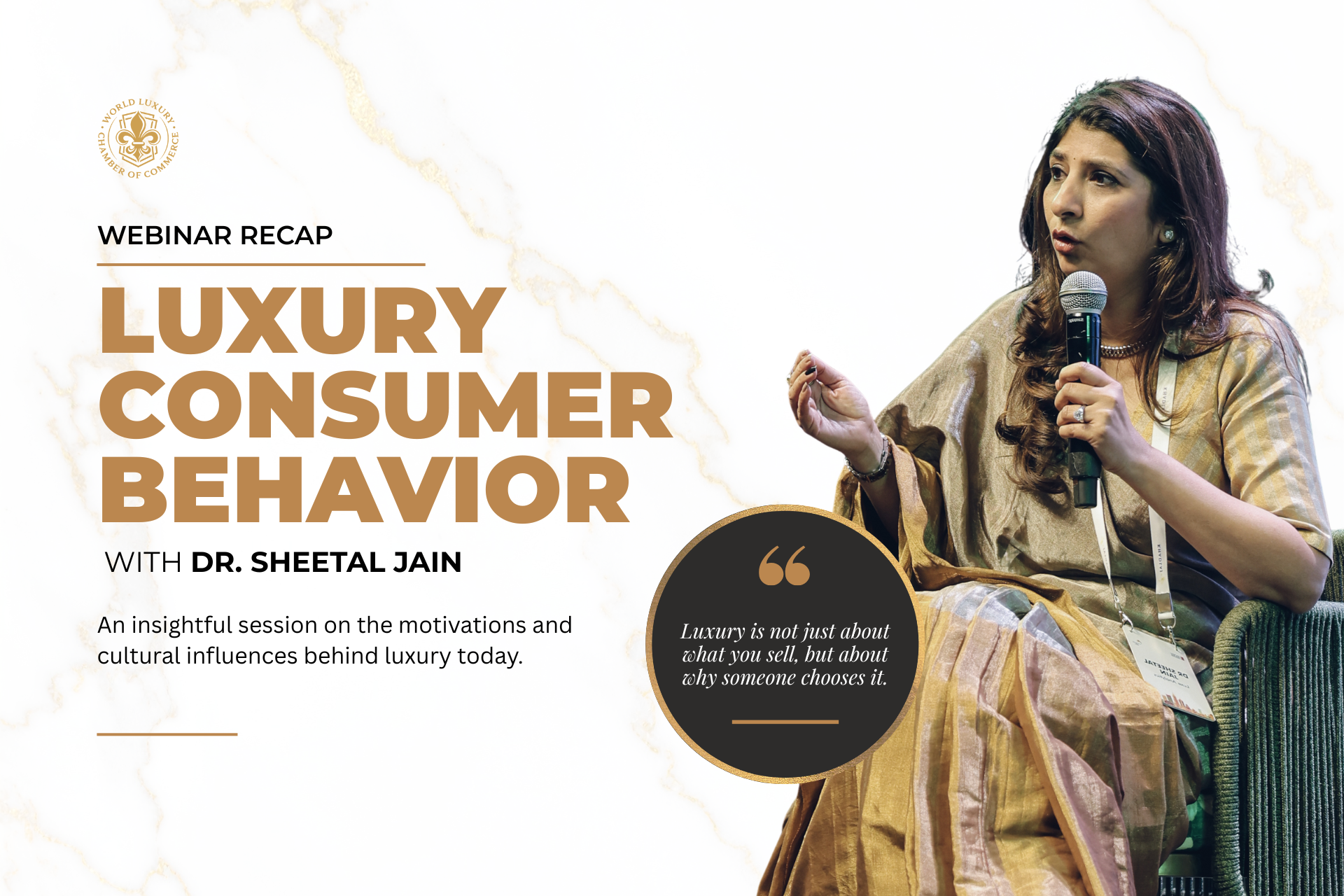
WLCC Webinar Recap: Luxury Consumer Behavior with Dr. Sheetal Jain, Founder of Luxe Analytics

A recent WLCC session explored the evolving landscape of luxury consumer behavior, led by Dr. Sheetal Jain, Founder of Luxe Analytics, who unpacked the psychological and cultural forces influencing how and why clients engage with luxury today.

The discussion challenged the idea of a single “luxury consumer,” highlighting the complexity behind purchasing decisions and the growing importance of understanding both intrinsic and extrinsic motivations. From the shift toward more experience-led consumption to the powerful role of culture in influencing perception, the session offered a fresh lens on what truly drives value in today’s market.

A key theme throughout was the need for brands to move beyond standardised strategies and adopt a more nuanced, culturally aware approach. As global markets continue to evolve, those who succeed will be the ones who can balance consistency with localisation, while creating experiences that resonate on a deeper, more personal level.

While we have only touched on a fraction of the insights shared, the session offered practical frameworks and real-world perspectives that are immediately applicable across sectors within the luxury industry.

Reminder: WLCC members receive full access to the session recording, along with exclusive insights and post-webinar resources.

If you are looking to stay ahead of the evolving luxury landscape and connect with a global network of senior industry leaders, we invite you to join WLCC as a member: https://worldluxurycouncil.com/become-a-member/

CRAFT Strategy & Advisory Enters WLCC’s Global Executive Circle

CRAFT Strategy & Advisory Pte. Ltd. has joined World Luxury Chamber of Commerce as a member, strengthening WLCC’s global network of executive-level luxury leaders, strategic advisors, and business decision-makers shaping the future of the luxury sector.

Based in Singapore, CRAFT Strategy & Advisory is a boutique strategic partner working directly with founders, boards, and C-suite leaders of luxury and premium businesses. Operating through a highly selective, relationship-led model, the firm supports clients with market expansion, commercial strategy, and business model innovation across Asia and international markets.

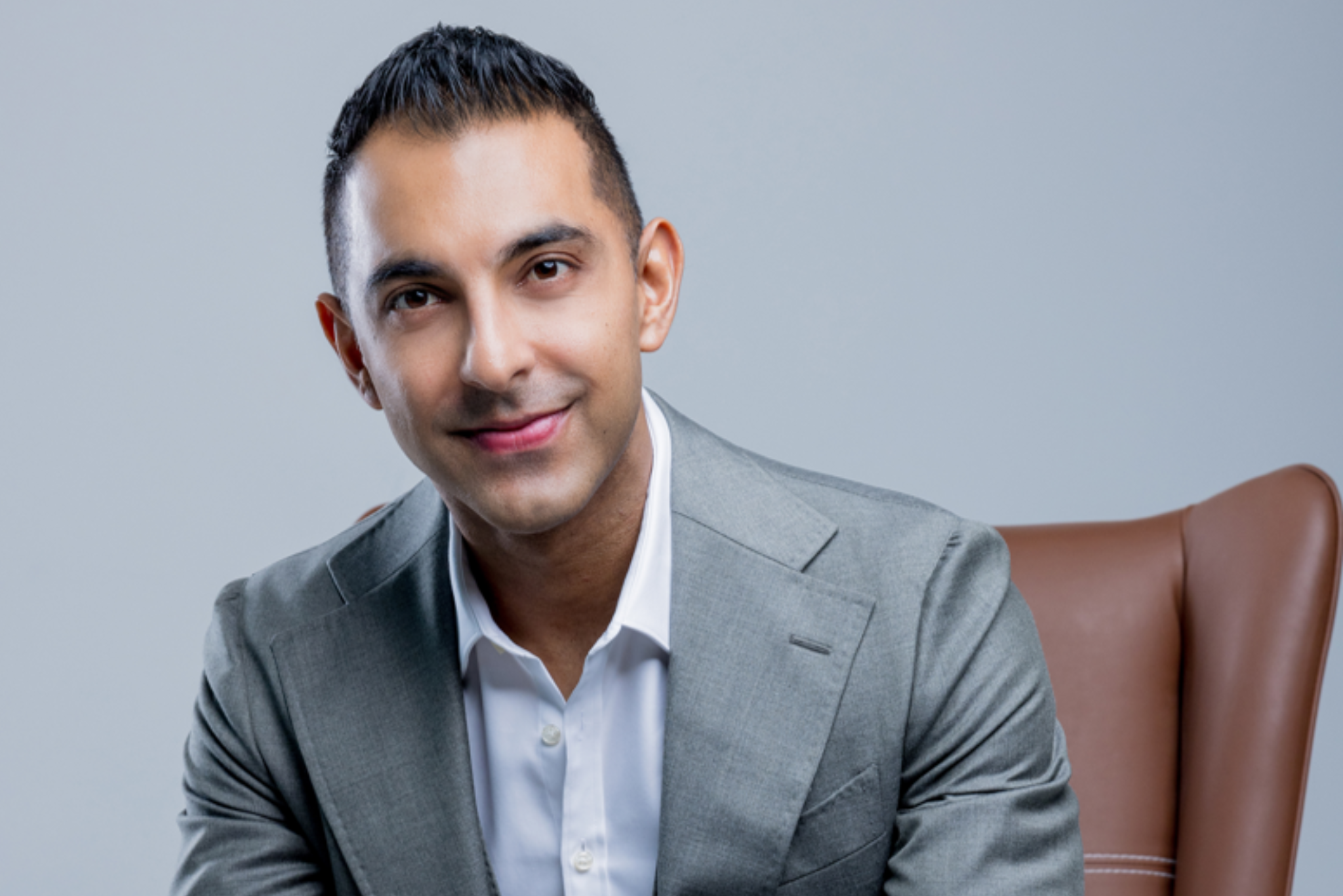
Led by Tasvir Singh, Managing Director, CRAFT Strategy & Advisory specializes in translating strategy into execution, helping clients identify high-value growth opportunities in complex and evolving markets. The firm brings expertise across luxury, manufacturing, advanced materials, and cross-border commercialization, with a focus on market entry and expansion into APAC, as well as ecosystem development across the region.

Membership in WLCC creates a strategic platform for CRAFT Strategy & Advisory to engage with influential luxury brands, family offices, investors, high-end service providers, and innovation partners. Through the Chamber’s global ecosystem, members gain access to senior-level dialogue, high-value introductions, and opportunities for industry advancement across luxury and luxury-adjacent sectors.

“CRAFT Strategy & Advisory brings a highly relevant strategic perspective to our global network,” said Alexander Chetchikov, President of World Luxury Chamber of Commerce. “Its work with luxury and premium businesses across Asia reflects the kind of executive insight and cross-market expertise that strengthens meaningful collaboration within WLCC.”

As a member of WLCC, CRAFT Strategy & Advisory contributes to a network built on leadership, knowledge exchange, and strategic relevance. Its focus on Asia, commercial transformation, and relationship-led advisory aligns with WLCC’s role as a global platform for luxury leaders seeking informed collaboration and long-term industry growth.

Discover more about CRAFT Strategy & Advisory Pte. Ltd.

Exclusive Interview: Turning Clients Into Advocates with Neen James

Neen James, author of Exceptional Experiences and one of the featured titles in the TOP Luxury Books for 2026 by WLCC, argues that growth does not come from better products alone, but from how clients feel in every interaction. In this conversation, she explains why advocacy is the most overlooked driver of market share and how leaders can build it deliberately. She also shares how to deliver personal, memorable experiences without sacrificing scale.

WLCC: In Exceptional Experiences, you introduce the five luxury levers. Which of these do you see most misunderstood or underutilized by leaders outside traditional luxury sectors, and why?

Neen James: Leaders of brands invest significant energy into the first four luxury levers of our Experience Elevation Model™ of entice and invite to attract clients, then excite and delight existing clients, and yet the most underutilized, and the most profitable to drive market share, is ignite to create advocates.

They work hard to attract attention, create a warm welcome, build excitement, and deliver delight in the moment. And then once someone becomes a client, some brands just leave the relationship exactly where it was. Ignite is about turning those exceptional experiences into something the client carries with them and shares with others, and they become an advocate for your brand, referring others to you.

It is about creating what I call Champagne Moments: unexpected, perfectly timed gestures that make someone feel truly seen, heard, and remembered. Turning the ordinary into the extraordinary… that’s creating Champagne Moments.

The research I conducted for my book, Exceptional Experiences, with Audience Audit confirmed my theory: luxury is about experiences, not things.

Across every segment of luxury consumers, regardless of income or industry, two research findings you will enjoy knowing are that luxury is viewed as a reward for hard work and experiences consistently outweigh things.

Leaders outside traditional luxury sectors often assume they need more product features, a better price point, or a flashier launch, and yet, what they need is to share a story with their clients that is worth telling. Ignite creates advocates from the experiences they have with your brand and the stories you share. And when clients carry your story into the world, that is the most powerful marketing available to any brand. This is how you grow market share by igniting your advocates.

WLCC: You emphasize that luxury is about experiences, not products. How can executives in high-growth or volume-driven industries apply this mindset without compromising scale or efficiency?

NJ: The luxury mindset is not reserved for brands with a certain price point or in the luxury industry. It is a philosophy about how you make people feel seen, heard, and valued. It requires you to be intentional with your attention. The Luxury Mindset Research I conducted for Exceptional Experiences revealed four attitudinal segments among luxury consumers: Reluctant and Removed, ProPrioritizer, Confident and Content, and the Luxury Lover. What struck me was that the desire for meaningful experiences was not confined to one group. Even the segment I call Confident and Content, those who are less conspicuous about their relationship with luxury, responded powerfully to being made to feel genuinely valued.

That insight translates directly into high-volume businesses. Scale and personalization are not opposites when you build the right systems. What I call Systemized Thoughtfulness is the practice of operationalizing the small gestures, the precise language your clients want to hear, the anticipatory service details that make every client feel like the only person in the room, and doing it consistently, across an entire team, without depending on individual heroics.

The leaders who do this well train their people to notice what others overlook. They build it into onboarding, into follow-up sequences, into the way a call is opened and closed, and into how to keep detailed records on every client. That is how you scale the luxury mindset without losing what makes it exceptional. If you are always asking, ‘How can I make my clients feel seen, heard, and valued?’ you can bring the luxury mindset into every interaction. It’s moving from transactional interactions to transformational experiences.

WLCC: Your Experience Elevation Model™ focuses on moving from transactional to transformational relationships. What are the first practical shifts a leadership team should make to start embedding this into their client strategy?

NJ: Start with orientation. Many leadership teams are designed around what they deliver, not around how the client will experience their journey with you. In Exceptional Experiences, I outline what I call B.D.A, the before, during, and after framework, because the experience does not begin when the product or service lands. It begins the moment someone decides to engage with you. Start there and map what your client feels, thinks, and notices before they are even in the room with you.

The second shift is in language. Luxury brands have always known that the words you choose shape the feelings you create. A transactional team talks about processes and deliverables. A transformational team talks about the individual person. The third shift is accountability. The organizations I have worked with that make the leap from transactional to transformational do not leave the client experience to chance. They assign ownership, measure it, and celebrate the moments where a team member created something extraordinary, a Champagne Moment. Once leaders make those shifts, orientation, language, and accountability, the culture begins to follow. And that culture is where exceptional experiences live.

WLCC: Having worked with brands like Four Seasons and Virtuoso Travel, what distinguishes organizations that consistently deliver exceptional client experiences from those that struggle to maintain that standard?

NJ: The organizations that sustain exceptional client experiences share one defining trait: their leaders experience the brand through their clients’ eyes, and they commit to this for every touchpoint in their clients’ journey.  The brands I have had the privilege of working alongside, including Four Seasons and Virtuoso Travel, have built an almost obsessive team culture of noticing and paying attention to every small detail and then capturing those details to elevate the experiences in the future. Every touchpoint is considered, every marketing piece, every word spoken in language is intentional, the complete sensory experience, and that is supported by a team that is empowered to personalize and customize client interactions to elevate their experience.

What separates them from organizations that struggle is not budget or the size of the team; it is the deep belief held by leadership and modeled consistently, that the smallest detail matters as much as the grandest gesture. The Luxury Mindset Research I conducted for my book reinforced this. Across every segment of luxury consumers, the experience of feeling genuinely cared for consistently outweighed any specific product or service feature. The organizations that understand this build systems of elevation to make that feeling reproducible. Brands that struggle tend to rely on their best people to carry it, and that can create challenges when these best people get promoted, move on, or simply have an off day. You cannot build a category-defining brand on something that is inconsistent; you need what we call Systems of Elevation (outlined in the Experience Elevation Model™) because systems create freedom.

WLCC: Looking ahead, what changes do you expect in client expectations within the luxury space, and how should leaders prepare now to remain relevant and competitive?

NJ: We can all agree that clients are now more sophisticated and more discerning. My Luxury Mindset Research surfaced something important: across every attitudinal segment, there is a growing conviction that luxury is earned, it is a reward for hard work, and that the experiences tied to it need to justify not just the financial investment but the investment of time. Time is the ultimate luxury currency right now.

What that means for brand leaders is to remain competitive, we need to value our clients’ time as the most precious resource in the relationship. Anticipate needs before they are expressed. Remove friction before it is encountered. Create moments (Champagne Moments) so thoughtful and so specific that the client feels the experience was designed just for them. In Exceptional Experiences, I describe this as building your Experience Elevation model. If you want to stay current and relevant, grow your reputation, and ignite a brand that advocates refer others to, these five luxury levers will help you.

In our digital, AI world, investing time and resources to elevate the human connection differentiates you and your brand.

Thank you, Neen!
Follow Neen James on LinkedIn for practical leadership insights on client experience and attention strategy, or visit her website to explore her work and schedule a conversation.

WLCC regularly features conversations and insights from global luxury leaders. Join our community to receive new interviews and perspectives weekly: https://worldluxurycouncil.com/wlcc-community/.

Exclusive Interview: Phil Keb on Global Hospitality Investment and Development

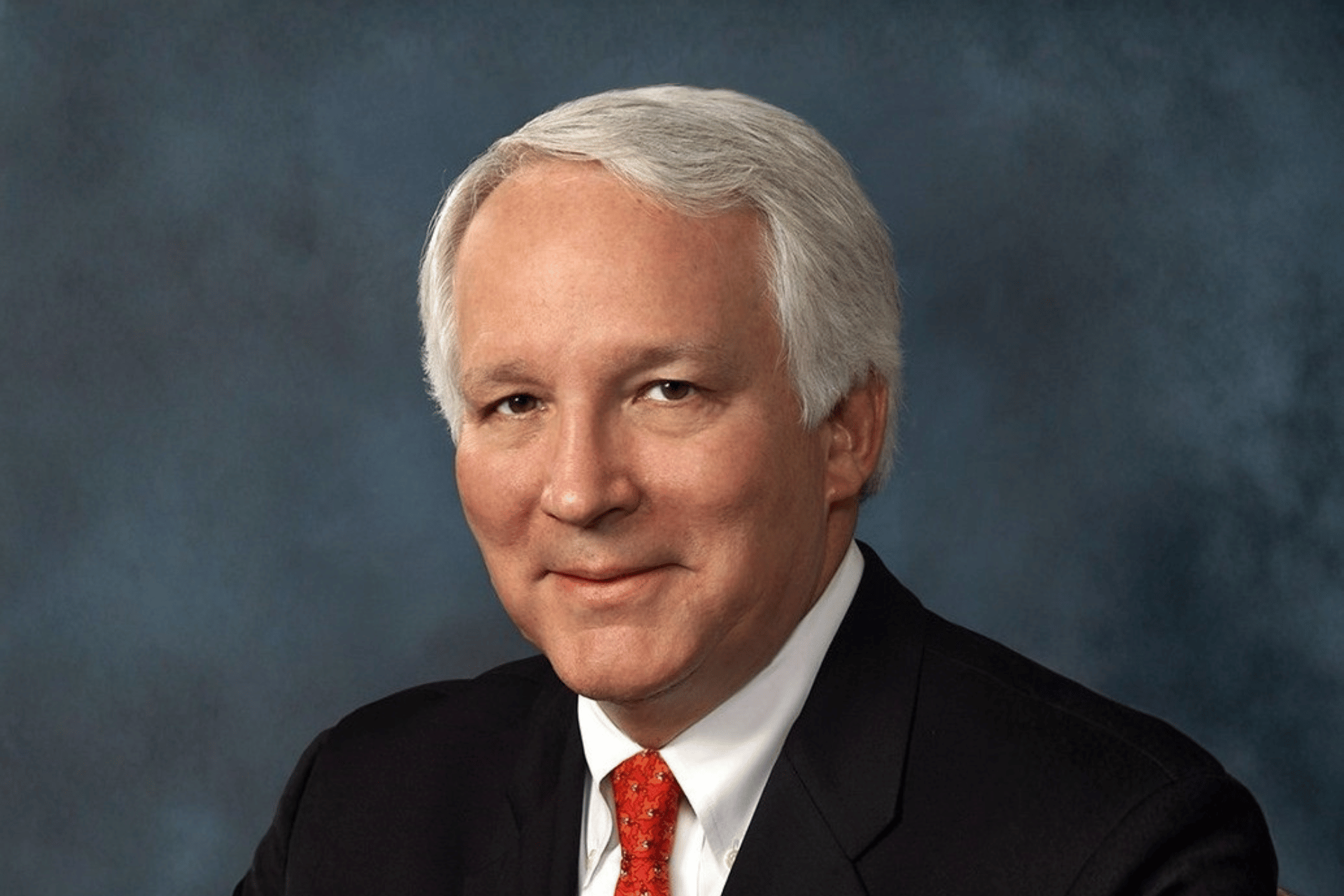
Phil Keb is a leading figure in global luxury hospitality and a Board Member of the World Luxury Chamber of Commerce. Known for his strategic approach to hotel development, investment, and brand growth, he has contributed to more than 60 projects worldwide with a combined value exceeding $8 billion. In this exclusive interview, Keb shares insights on investment strategy, project execution, and the future of luxury hospitality.

World Luxury Chamber of Commerce: How has your early training in engineering influenced the way you structure deals, assess risk, and execute complex global hospitality and investment transactions today?

Phil Keb: Understanding how buildings are constructed and operate on every level allows me to allocate operating costs in mixed-use projects and keep necessary reserves in place to meet both the project and the brand standards. So many times, “value engineering” plays an essential role in establishing the initial development budget and ensuring that it’s also realistic.

WLCC: How does that stage shape or impact long-term profitability?

PK: It’s especially important to make good decisions during that initial stage so as not to compromise critical areas of operation that will impact the guest experience, but then prove too costly or disruptive to fix later. I also learned that an efficient facilities program for both hotel and residential areas – and, in turn, design – is critical for controlling project costs and delivering those sought-after returns.

WLCC: Having worked across diverse financing models, including Sharia-compliant structures, public-private partnerships, and citizenship-by-investment initiatives, what investment approaches do you believe future luxury hotel and resort developments should always consider?

PK: Regardless of the source of capital, there is – and always will be – a need for adequate risk-adjusted returns to the investors. The important thing is to structure the deal correctly to deliver those returns right from the get-go. With luxury developments today, it requires some amount of branded residential product to achieve both the immediate and long-range financing goals.  

WLCC: You have led projects ranging from boutique, technology-driven lifestyle hotels to large-scale luxury resorts. How should someone leading a project adjust their development strategy and capital planning across multiple brands, markets, and guest profiles?

PK: Each project has its unique characteristics but, in all cases, it comes down to providing what a specific market and project customer wants. That’s best done by listening to the consumer or customer and satisfying both their spoken and unspoken needs. As Horst Schulze advised me years ago, “really listen to your customer, and you will always learn something interesting.” One of the keys today is to generate meaningful, current customer-survey data, and AI is greatly improving our ability to gain those insights for enhanced real-world decision-making.  

WLCC: In your current role advising on strategic growth of the upper luxury brands at IHG, how do you balance brand standards, owner priorities, and guest expectations when evaluating new projects and partnerships?

PK: Brand standards are well-defined at this point with targeted markets for strategic growth, so the owner’s project needs to fit within those parameters. Our brand standards are based on and focused on satisfying guest expectations, but there is always a balancing act needed to meet them in the real world, while simultaneously helping the owner develop or deliver the project within budget.

WLCC: As a Board Member of the World Luxury Chamber of Commerce, how do you see your experience in global hotel development and deal structuring contributing to the Chamber’s mission and its members?

PK: Because a core part of WLCC’s mission is to unite leaders and entrepreneurs of elite luxury brands, I look forward to meeting with and collaborating with companies outside of the hospitality industry and sharing those insights and opportunities with our members. It is my hope to add value to our growing community in a genuinely comprehensive way, with an even wider range of strategic, operational, and financing solutions that can support their ongoing success.

WLCC: Thank you, Phil! Connect with Phil Keb on LinkedIn to follow his latest insights on global hospitality investment and luxury brand development: https://www.linkedin.com/in/philkeb/

WLCC regularly features conversations and insights from global luxury leaders. Join our community to receive new interviews and perspectives weekly: https://worldluxurycouncil.com/wlcc-community/.

Something went wrong

Please try again later

Ok

    Ask About Member Deals

    Submit your request for media/press opportunities here, and we will provide you with all the details.


    Your form submitted successfully!

    We will be in touch soon with further details.

    Got it