Have a question? Call now! +16468108764

Exclusive Interview: Neen James on Creating Champagne Moments

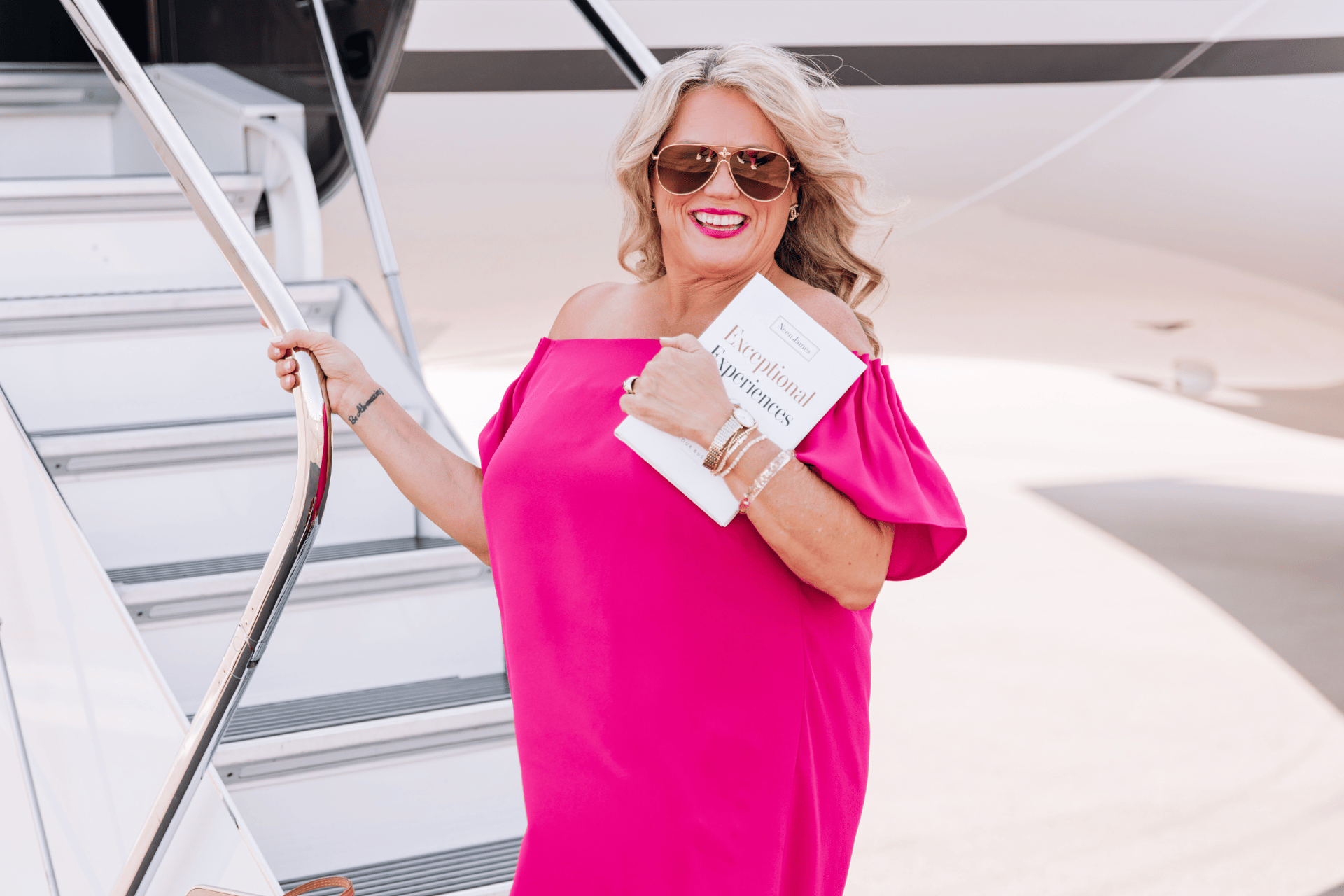
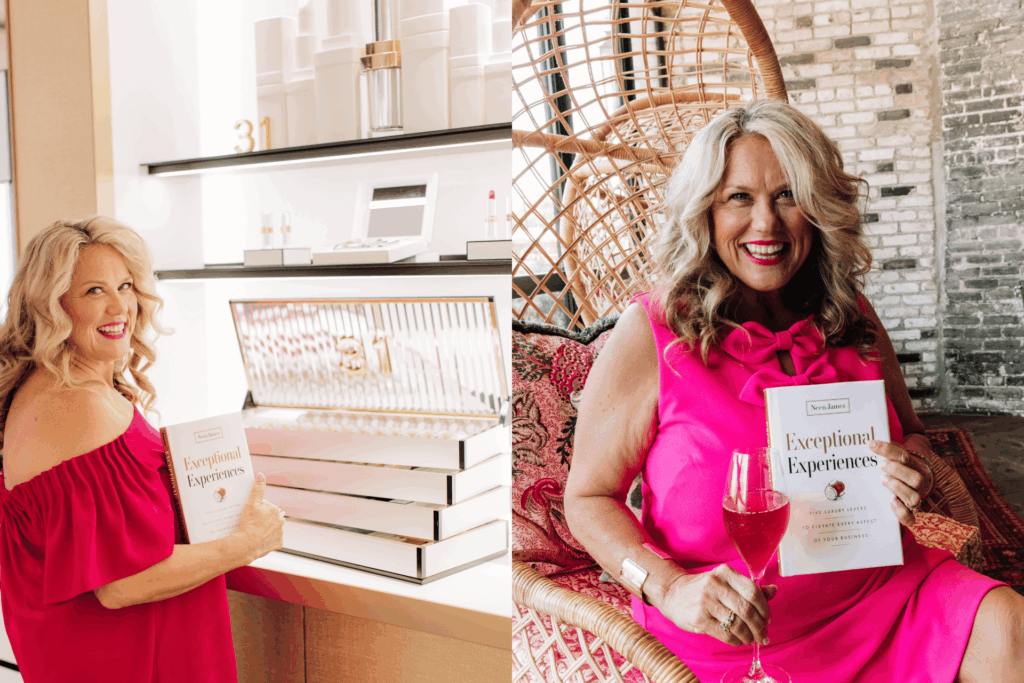
In this exclusive feature, the World Luxury Chamber of Commerce brings readers into an insightful conversation with Neen James, celebrated keynote speaker, author, and thought leader in luxury strategy. With the upcoming launch of her highly anticipated book, Exceptional Experiences, Neen shares how her Experience Elevation Model™ empowers brands to transform ordinary touchpoints into extraordinary moments that inspire loyalty and advocacy.

Alexander Chetchikov: Neen, congratulations on the upcoming launch of Exceptional Experiences! Could you share with our readers an overview of the five luxury levers in your Experience Elevation Model™, and how these can be applied to advance a brand or business?

Neen James: I’m thrilled to share the Experience Elevation Model™ with your readers. This framework is my answer to leaders who ask, “How does luxury thinking actually drive market share?”

Exceptional Experiences is filled with strategies for brands to gain mind share and market share. It will help drive revenue, differentiate your brand, and create advocates for your business.

The five luxury levers work together like a symphony to transform every client touchpoint into an extraordinary moment:

  • Entice captures attention through storytelling and emotional connection. Your clients are asking, “Why should I pay attention to you?” This is where you break through the noise of 150-500 daily messages they might be receiving with unique, personalized experiences that make them feel special and valued.
  • Invite demonstrates your experience through luxury language and communication that creates a sense of belonging. Clients wonder, “How do I get access to that special level?” You’re giving them that coveted “red carpet” experience that shows thoughtfulness and attention to detail.
  • Excite creates share-worthy experiences engaging all five senses. Your clients are thinking, “What else will they do?” This lever builds anticipation and leaves them wondering what delightful surprise comes next.
  • Delight anticipates needs they didn’t even know they had. They’re amazed, asking, “How did they know what I needed before I did?” This is where personalization and systems of elevation really shine.
  • Ignite builds lasting loyalty and turns clients into passionate advocates eager to share, asking, “Who else can I tell about my experience?” These clients become an extension of your brand.

The beauty of this model is that it doesn’t need to be linear—you can strategically start anywhere, based on where your clients are and what they need most. When you consistently apply these luxury levers, you create advocates who actively promote your business, and that’s the golden key to revenue in any industry.

AC: Luxury means different things to different people. What’s the biggest misconception you’ve encountered, and how do you define it for yourself?

NJ: The biggest misconception about luxury is that it’s only about expensive things or available to a limited few. That couldn’t be further from the truth!

Luxury is both inclusive and exclusive.

Inclusive because everyone deserves it, and exclusive because you can create experiences for those you serve.

My mum taught me the real definition of luxury when I was just a little girl. Growing up in humble beginnings in a small caravan in Australia, she couldn’t afford anything beyond our basic needs for my sister and me. But luxury came from the simplest things. Walking home from her late-night shifts, Mum would pick a flower from a community garden and bring it home, placing it in a glass, which she’d elevate by calling it a “vase” to feel fancy. That little gesture brought beauty and luxury into our everyday lives. She reminded us that, regardless of money or things, we all deserve luxury.

Luxury is about connection—it’s how we make people feel seen, heard, and valued. Luxury is about experiences, not things. It’s accessible to everyone, regardless of budget or industry. Whether you’re a real estate agent creating a memorable home-buying experience, a financial advisor making clients feel valued and understood, or a retail store owner adding personal touches, luxury is about how you make people feel and the memories you create.

When I consult with executives across diverse industries, sharing our luxury mindset research, that there are four mindsets and brand leades need to be able to speak the luxury language of the clients they want to attract and while these mindsets view luxury differently, all four agreed on two fundamental things—luxury is a reward for hard work, and luxury is about experiences, not things.

AC: You led a unique study that revealed four distinct luxury mindsets. Can you walk us through what they are and why recognizing someone’s luxury mindset is so important?

NJ: I’m thrilled to share our proprietary research study, the only one of its kind in the world, on the luxury mindset. We partnered with Audience Audit. When conducting executive strategy sessions with luxury and legacy brand leaders, I believed luxury is a mindset, and needed evidence to support that.

What we discovered is fascinating—there are four distinct ways people think about luxury:

The Reluctant and Removed (28%) find luxury hard and believe brands don’t understand them. They’re often busy and overwhelmed, feeling guilty about luxury purchases. For them, luxury is about reducing busyness, hassle, and worry. To attract them, show how luxury makes their lives easier and more efficient.

The Pro Prioritizers (25%) use luxury to advance their career and reputation. For them, luxury is power—they leverage it to dress for success and look the part professionally. They champion brands that align with their values and favor practical, sustainable luxury. They want to feel more confident and improve their impression.

The Confident and Content (22%) think “I’ve got this!” Luxury isn’t often a priority, nor does it have to be expensive. They enjoy creating memorable experiences for people they care about—luxury allows them to improve connections with friends and family.

The Luxury Lovers (25%) believe everyone deserves luxury every day and have what I call “big mouths”—they love sharing exceptional experiences! They want luxury that improves their professional and social status, and they become your best advocates because they actively tell others about their experiences.

Understanding these mindsets is critical because each responds to completely different language and experiences. When you can speak the luxury language of your specific clients, you transform your relationship from transactional to transformational. It’s the difference between having customers and having passionate advocates who drive your business forward.
AC: In what ways can crafting exceptional experiences give brands a competitive edge and directly impact the bottom line?

NJ: When brands deliver exceptional experiences using the five luxury levers, they create something I call “the golden key to revenue”—passionate advocates who actively promote their business.

In our global marketplace, people are bombarded with choices. Service has become the price of entry, but exceptional experiences are what truly differentiate brands and enable them to thrive. When you make clients feel seen, heard, and valued through systematic luxury principles, you’re not just creating customers—you’re creating advocates who become an extension of your marketing team and brand.

Our research also revealed: Luxury Lovers are the most influential over the other three mindsets. They can guide the Reluctant and Removed by showing them how an offering saves time and hassle. They align with the Confident and Content by explaining how it creates memories for people they care about. For Pro Prioritizers, they demonstrate how luxury enhances career and reputation.

The competitive edge comes from being memorable when everyone else is forgettable. When you systematically apply the Experience Elevation Model™, you create what I call “champagne moments”—those special times when something extraordinary happens that makes clients smile and brings joy. These moments stick in people’s minds and hearts.

The bottom line impact is substantial: advocates drive revenue through referrals, repeat business, and social media promotion. They become your welcome committee, actively posting about their experiences and recommending you to their networks. When you transform ordinary touchpoints into extraordinary moments through attention to detail and luxury thinking, you’re building a sustainable competitive advantage that compounds over time.

Remember, people don’t just buy products or services—they buy experiences and feelings. When you master the art of exceptional experiences, you master the art of business growth.

AC: You describe ‘champagne moments’ as a way to turn ordinary interactions into extraordinary connections. What are some practical ways professionals can bring these moments to life within their own industry?

NJ: I love this question because champagne moments are all around us. We can create these for others (and ourselves) – a way to make people smile, bring joy, and celebrate something or someone. They’re opportunities to pause, reflect, be present, and create joy just like bubbles in a glass of champagne.

Here’s what professionals across industries can do:

For Real Estate Professionals: Instead of just handing over keys, create a “key ceremony” with a beautifully wrapped box, a handwritten note about their new beginning, and perhaps a bottle of champagne with their closing documents. One agent I know leaves a personalized welcome basket with local artisan treats and a plant that represents “growing roots” in their new home.

For Financial Advisors: When clients reach investment milestones, don’t just send a statement. Create a personalized celebration—a handwritten note acknowledging their discipline, a small gift that reflects their goals (like a beautiful compass if they’re saving for travel), or an exclusive client appreciation event where they can connect with other successful clients.

For Retail and Hospitality: Train your team to notice and celebrate small moments. If someone mentions it’s their anniversary while shopping, bring them a complimentary glass of champagne (or sparkling cider). If a hotel guest is celebrating a promotion, leave a congratulatory note and a small treat in their room.

For Professional Services: Instead of generic follow-up emails, send handwritten thank-you notes on beautiful stationery. Consider creative ways to make digital documents more tangible, creating an impression with a unique delivery. Create exclusive behind-the-scenes access to your expertise through private workshops, events, or early access to new services.

The key is systematic thoughtfulness. I encourage leaders to create what I call “systems of elevation”—repeatable processes that ensure every client interaction has the potential to become a champagne moment. It’s about anticipating needs, adding personal touches, and making people feel like they’re part of an exclusive experience.

Remember, champagne moments don’t require expensive champagne—they require intention, attention, and a commitment to making others feel seen, heard, and valued. When you consistently create these moments, you’re not just building a business—you’re building advocates who will celebrate your brand long after the moment has passed. This is how you become top of mind (mind share) and top of market (market share).

Thank you, Neen!

As this conversation with Neen James makes clear, luxury today is not confined to price tags or exclusivity; it is about creating meaningful experiences that make people feel seen, valued, and connected. Her five luxury levers and insights on champagne moments provide a roadmap for brands and professionals seeking to elevate client relationships into lasting advocacy.

Get your copy of Exceptional Experiences here: https://neenjames.com/books/

Want to read more exclusives? Check out our news and insights: https://worldluxurycouncil.com/insights-news/ & sign up for our newsletter here: https://worldluxurycouncil.com/wlcc-community/
The WLCC Weekly Edit: Real Estate, Runways, Resorts & Racing

Welcome to The Weekly Edit, your curated digest of the latest in the world of luxury. Each week, WLCC brings you a handpicked selection of industry news, insights, and stories influencing the future of high-end fashion, design, travel, real estate, and beyond. Consider this your insider’s guide to the latest in luxury.

The Awakening of “Quiet Luxury” Homes

The luxury housing market is focusing on “quiet luxury,” emphasizing understated comfort over size and extravagance. Buyers now favor smaller, high-end homes with features that bring personal satisfaction, like porches or cozy spaces, rather than ostentatious estates. Recent data indicate that average home sizes are shrinking, while luxury finishes remain in high demand. Emerging markets include Sonoma County, Park City, Lake Burton, and Florida’s panhandle, offering scenic views, convenience, and lifestyle appeal. Affluent buyers seek homes that require minimal maintenance, allow for cash purchases, and offer meaningful experiences over flashy displays, signaling a new era in luxury real estate.

Via: Fortune

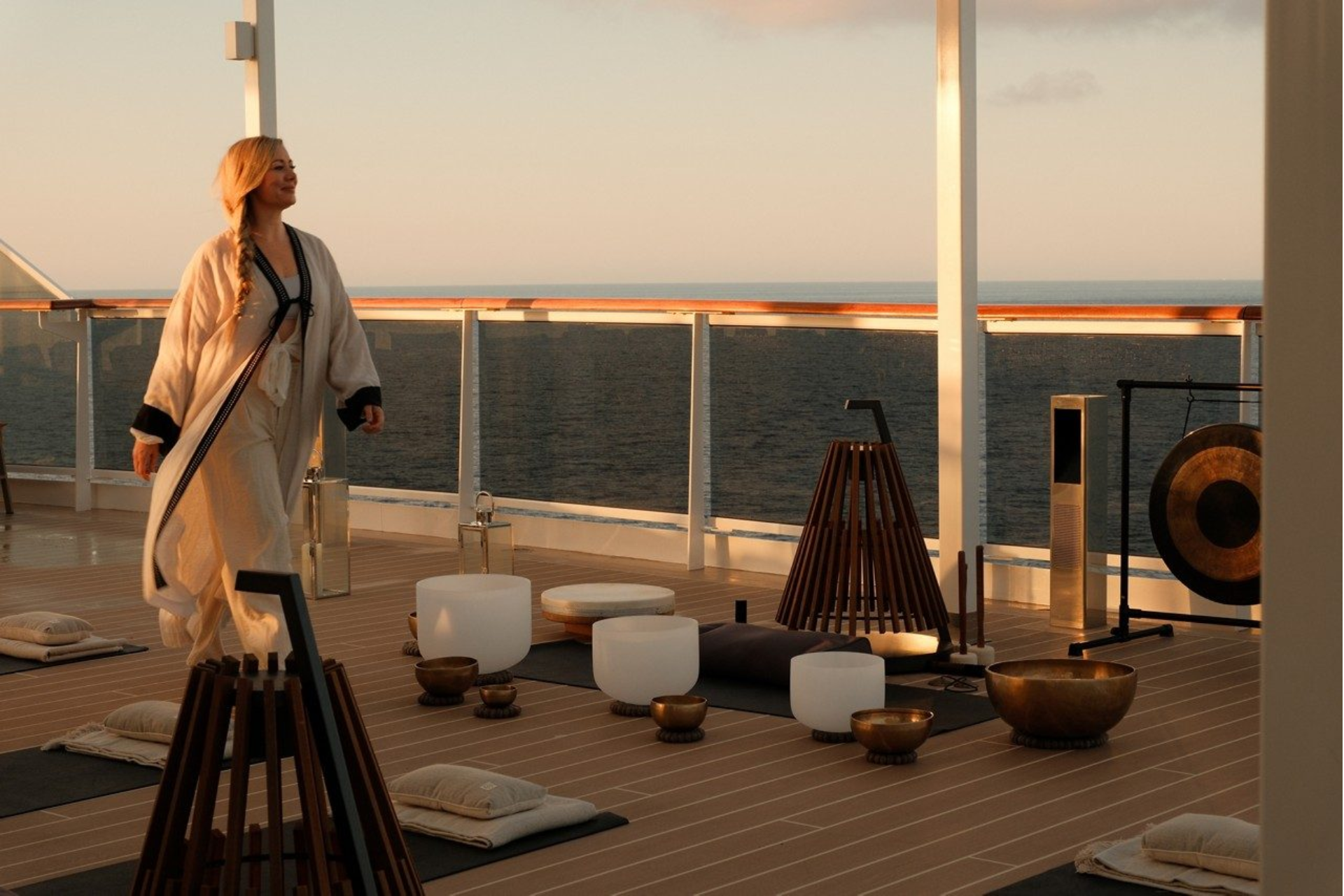
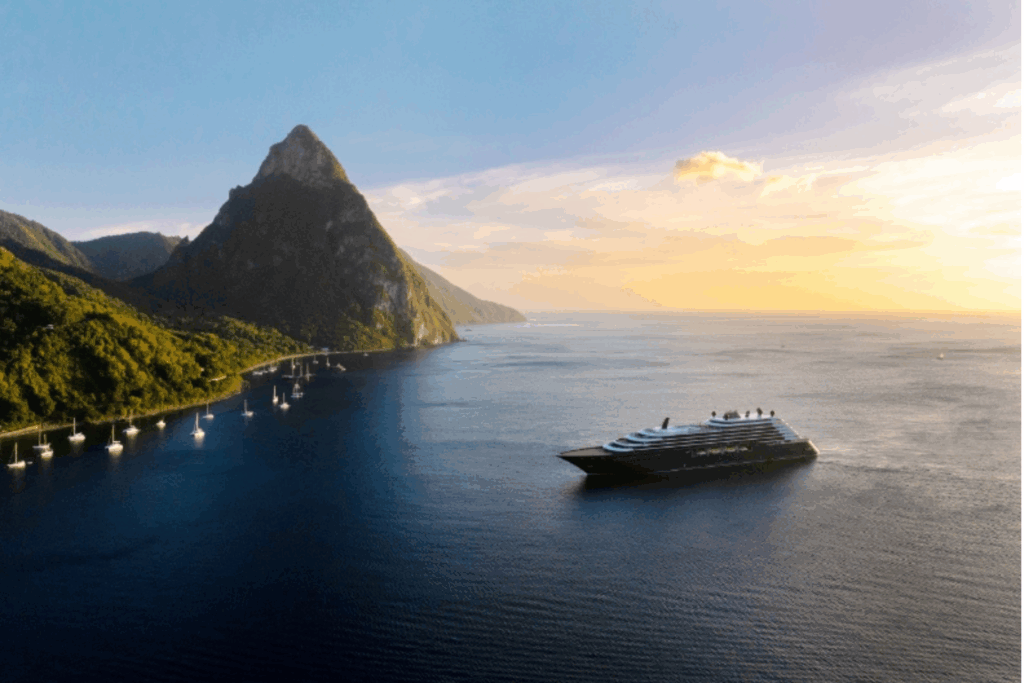
Above: Image from Ilma, The Ritz-Carlton Yacht Collection (Marriott International Press Room)

Ritz-Carlton Yacht Collection Releases Winter Caribbean Schedule 

The Ritz-Carlton Yacht Collection has announced Ilma’s Winter 2026–2027 Caribbean voyages, including more than 20 exciting itineraries from Miami and San Juan. Sail 3–7 nights to stunning destinations like St. Barth, Antigua, and St. Lucia. Celebrate the season with Thanksgiving at sea, a dazzling New Year’s Eve in the Grenadines, or a romantic Valentine’s escape. Onboard, guests enjoy all-suite accommodations with private terraces, Michelin-inspired dining, and The Ritz-Carlton’s signature service. Ashore, experiences range from snorkeling with sea turtles to immersive West Indies cooking classes. With festive sailings, adventure, and refined comfort, Ilma offers the ultimate Caribbean escape.  

Via: Marriott International

Above: Image from Armani Values

Giorgio Armani, Iconic Italian Designer, Passes Away at 91 

Giorgio Armani, the legendary Italian designer and sole owner of the Armani Group, has passed away at 91. Known for his soft tailoring and modernized Neapolitan styles, Armani redefined men’s and women’s wardrobes, making power suits stylish and comfortable. From humble beginnings as a window dresser, he built a multibillion-dollar empire spanning fashion, fragrances, furniture, and hotels. Armani served as both creative director and CEO, guiding his company for decades. He passed peacefully, weeks before the brand’s 50th anniversary. Remembered for his precision, consistency, and belief that “elegance is about being remembered,” Armani leaves an enduring legacy in fashion. 

Via: BOF, Armani 

Sustainable Luxury Becomes the Standard for Island Hotels

Eco-luxury island hotels and resorts readapting. They are focusing on offering high-end comfort while prioritizing sustainability. Guests enjoy private villas, farm-to-table meals, and renewable energy–powered amenities without sacrificing luxury. Resorts such as The Brando, Amanpulo, Soneva Jani, and Petit St. Vincent focus on conservation, local sourcing, and community support. Trends like “calmcations,” digital detox escapes, and nature-focused designs show travelers value experiences that connect them to the environment. Despite challenges like logistics and storm recovery, eco-luxury is growing as ecotourism moves toward $830 billion by 2035. These resorts demonstrate that travel can be both luxurious and responsible, with sustainability at its core.

Via: LLM

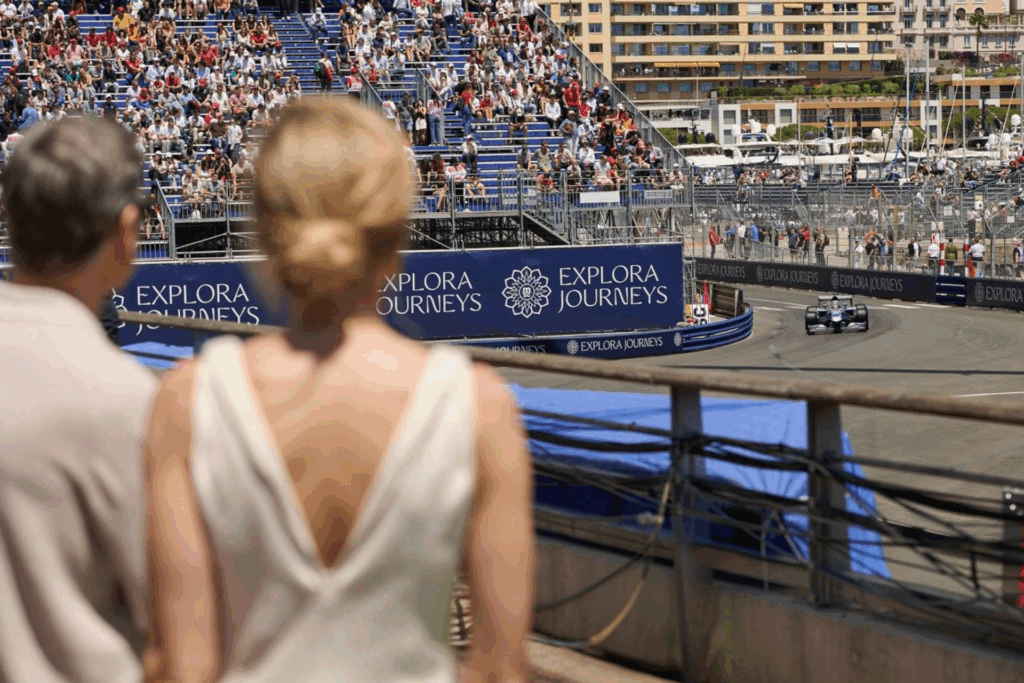
Above: Image from Explora Journeys (Press Room)

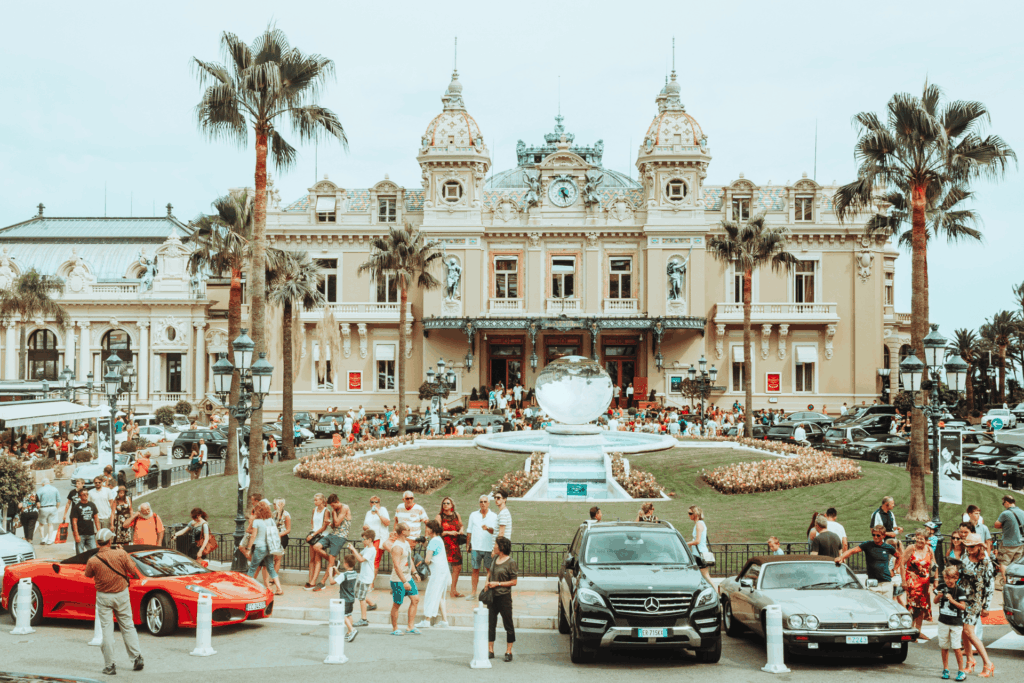
EXPLORA I Brings Luxury to Formula 1 Monaco 2026

Guests will be able to feel the thrill of the Monaco Grand Prix from the deck of EXPLORA I, where luxury ocean travel meets high-octane racing. Explora Journeys has opened reservations for Suites and Residences aboard the ship during the 2026 event. Docked at Port Hercule, EXPLORA I offers sea or Monegasque views and optional 3-day Grandstand access for a fuller experience. Guests can enjoy the excitement of the race while relaxing in sophisticated accommodations, making the most of Monaco’s legendary weekend from an exclusive vantage point on the water.

Via: Explora Journeys

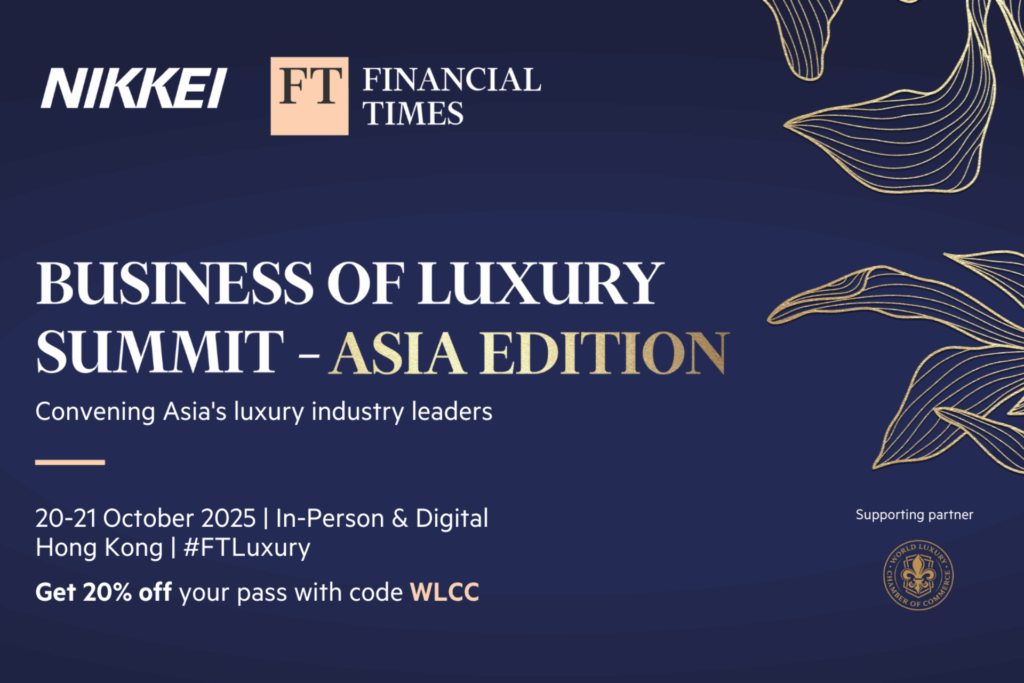
Business of Luxury Summit – Asia Edition

Nikkei and the Financial Times will celebrate a successful ten-year partnership by hosting the Asian edition of the Business of Luxury Summit. This landmark event offers a unique platform for Asian luxury leaders to engage with investors, brand executives, entrepreneurs, and industry professionals, to explore future trends and learn how to create further growth opportunities across the region.

Details: Exclusive WLCC offer: Up to 20% off | Hong Kong | Business Summit | 20–21 October 2025 | Learn more: https://worldluxurycouncil.com/events/financial-times-business-of-luxury-summit-asia-edition/

_____________________________________________________________________________________________________________

Stay ahead of the curve; explore more stories, register for upcoming events, and join the conversation with WLCChttps://worldluxurycouncil.com/insights-news/

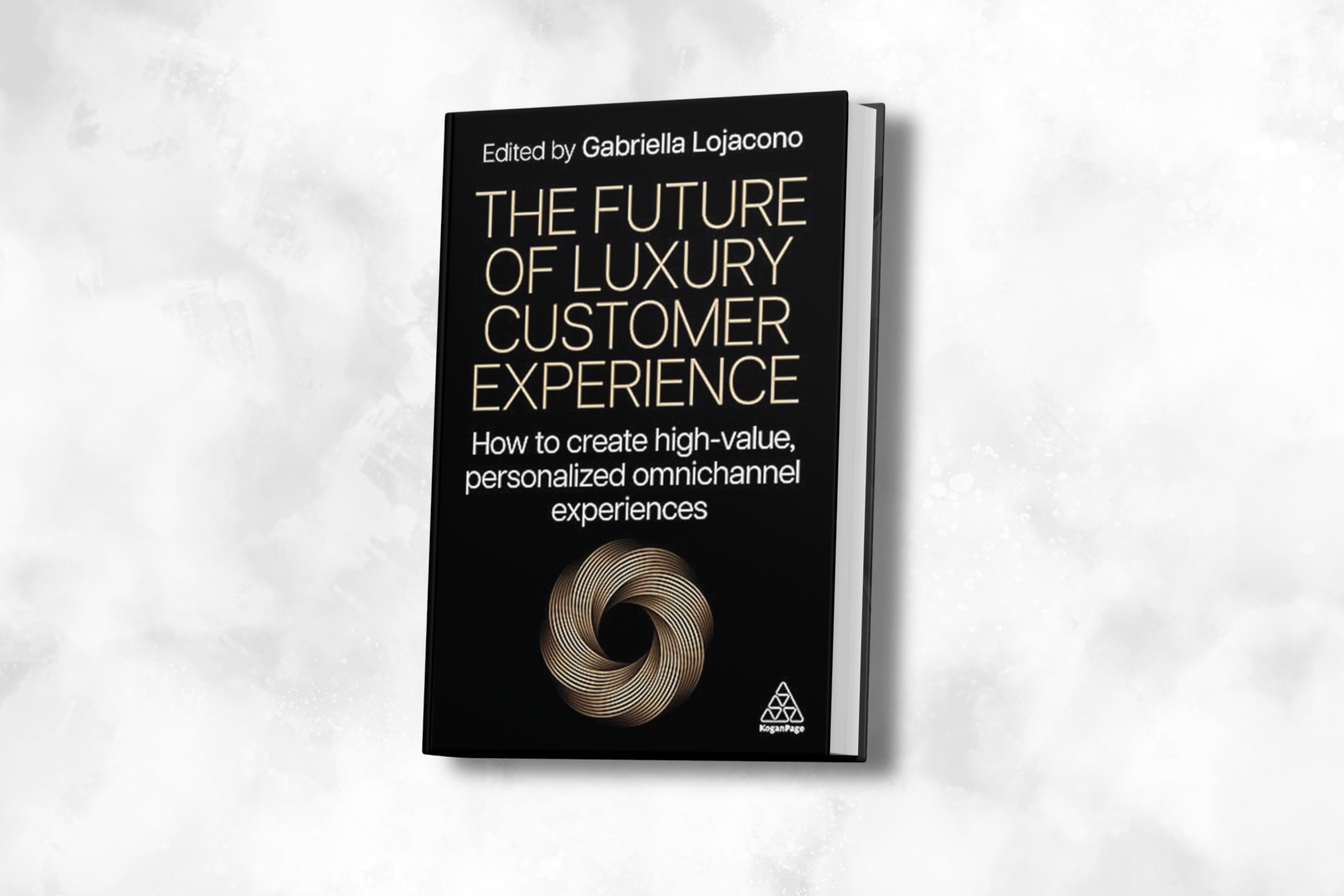
Luxury Library: The Future of Luxury Customer Experience by Gabriella Lojacono

Author: Gabriella Lojacono 
Publication Date: 2024
Amazon Rating:
3.8

The WLCC Luxury Library is a vital hub for luxury professionals and enthusiasts, offering a curated collection of insights, trends, and knowledge in the luxury sector. Tailored for members of the World Luxury Chamber of Commerce, it offers up-to-date resources on branding, marketing, and high-end consumer behavior. Through a focus on learning and collaboration, the Luxury Library seeks to inspire innovation and raise the bar within the luxury sector. 

The Future of Luxury Customer Experience by Gabriella Lojacono explores how luxury brands can enhance their interactions with customers by combining human touch with emerging technologies. It examines the evolving expectations of high-end consumers and offers insights on creating personalized, engaging experiences across multiple channels. 

Drawing on examples from leading luxury names such as Ferrari, Cartier, and Valentino, the book offers a comprehensive guide to meeting the demands of modern luxury buyers while respecting their privacy and values.

Interesting Lessons Include:

  • Personalization is essential: Tailoring services and communications based on detailed customer data helps brands stand out and foster loyalty.
  • Human interaction remains vital: Despite technological advances, the human element enriches luxury experiences and builds emotional connections.
  • Privacy must be prioritized: Customers expect brands to protect their personal information while still offering customized experiences.
  • Omnichannel approach: Delivering consistent, high-quality experiences across physical stores, digital platforms, and events is critical.
  • Innovate thoughtfully: Use technologies like AI and virtual reality to create memorable moments without overwhelming or alienating customers.
  • Cultural engagement: Integrating arts, culture, and social responsibility strengthens brand identity and appeals to conscious consumers.
  • Measuring success: Establish clear key performance indicators to assess the impact of customer experience initiatives and refine strategies accordingly.

For luxury brands ready to reshape how they connect with customers, this book serves as a roadmap to blending tradition with forward-thinking innovation. It shows how integrating advanced technology with authentic, personalized interactions can create experiences that resonate deeply and foster long-term loyalty. Filled with practical tips and inspiring case studies, it’s an indispensable resource for those shaping the future of luxury retail and customer service.

Get the book on Amazon today. 

To learn more about The Luxury Library, view the 21 must-read books.  

Navigating The Generational Wealth Transfer By Capgemini Research Institute 

A global transfer of USD 83.5 trillion is underway, marking one of the most significant wealth shifts in modern history. By 2048, this capital will pass largely from baby boomers to Generation X, millennials, and Gen Z, fundamentally changing the financial landscape. More than just a change in balance sheets, this handover is already redefining investment behavior, service expectations, and cultural influence. 

At the center of this transition is the “World Wealth Report 2025, “Sail the great wealth transfer: Setting a course to win Next-gen high-net-worth individuals”, published by the Capgemini Research Institute. The report reveals how new inheritors are reshaping wealth priorities: they demand digital-first engagement, favor global diversification, and approach consumption and investment with a sharper focus on both value and purpose. 

This evolution matters well beyond financial institutions. The luxury field, long intertwined with the preferences of high-net-worth individuals, now finds itself directly influenced by the expectations of this younger, globally mobile, and digitally fluent clientele. For insiders, understanding their mindset is essential for maintaining relevance in the next era of affluence. 

Global Wealth at a Turning Point 

The Report highlights that in 2024, global high-net-worth individual (HNWI) wealth expanded by 4.2% while the HNWI population rose by 2.6%. North America drove the strongest growth, with wealth up 8.9% and population rising 7.3%. Asia-Pacific followed, recording a 4.8% increase in wealth and a 2.7% increase in population. Europe performed more modestly, showing just 0.7% growth in wealth alongside a 2.1% decline in HNWI population, influenced by weakened demand in the luxury and automotive sectors. Latin America was the weakest region, with wealth down 2.6% and population down 8.5%. 

Beyond market momentum, however, the defining story is the transfer of wealth across generations. By 2048, an estimated USD 83.5 trillion is expected to pass from baby boomers to Generation X, millennials, and Generation Z. Women are anticipated to inherit a significant share of this wealth by 2048. 

The Next-Gen HNWI Profile 

The report underscores clear differences between younger inheritors and older generations. Unlike baby boomers, who favor preserving their wealth, younger HNWIs are more willing to take risks, with a growing appetite for private equity and cryptocurrency.  They are also highly international in outlook, pursuing opportunities not only in traditional wealth centers such as London, Switzerland, and New York, but increasingly in emerging destinations including Singapore, Hong Kong, the UAE, and Saudi Arabia. 

Their expectations extend well beyond investments. Next-gen HNWIs seek broader value in estate planning, philanthropic advisory, concierge offerings, and lifestyle management. Importantly, they demand a digital-first experience that matches the convenience of the platforms they use in their daily lives.  

Relationship Managers: A Decisive Factor 

Relationship managers, or RMs, remain a decisive element in retaining and attracting wealth. The report shows that 62% of younger clients would follow their RM if the advisor were to move to a different firm. Yet at the same time, 47% of RMs report dissatisfaction with their firm’s digital tools and technology. This limits their ability to deliver the proactive, highly personalized services expected by their younger clients. The issue is compounded by demographics: nearly half of all current RMs are expected to retire by 2040, raising the risk of a looming talent shortage just as demand for their skills is intensifying. Capgemini stresses that firms must act urgently to equip RMs with AI-driven systems, advanced analytics, and integrated digital channels to preserve client loyalty and secure long-term growth. 

Where Wealth Meets Luxury 

The report also reveals significant intersections between wealth management strategies and luxury consumption. Next-gen HNWIs increasingly approach luxury purchases with an investment mindset, viewing fine goods, collectibles, and high-end experiences as assets with long-term value and transmission potential. Inheritance planning directly shapes how these clients approach luxury spending. 

Concierge services are evolving beyond bespoke travel and exclusive access. Education advisory for heirs, medical support, and even cybersecurity are emerging as priorities. At the same time, financial education and empowerment programs are demonstrating that knowledge, governance, and intergenerational preparation are now as vital to loyalty as portfolio returns. Luxury and wealth management providers that can address this broader lifestyle and generational needs will stand out in an increasingly competitive environment. 

Strategic Directions 

Capgemini proposes a three-part framework for navigating this transformation. Firms must design investment strategies tailored to next-gen appetites, particularly in alternatives and sustainability-linked assets. They must also broaden their service models to incorporate global diversification, estate planning, philanthropy, and holistic concierge support. Finally, they must empower relationship managers with technology, analytics, and ongoing training to ensure that advisory talent remains strong as generational expectations rise. 

To Conclude: 

  • The USD 83.5 trillion generational wealth transfer is already underway and will accelerate through 2048. 
  • 81% of younger HNWIs plan to switch firms after inheritance unless wealth managers adapt quickly. 
  • Women will inherit a significant share of global wealth, making them central decision-makers in financial and luxury markets. 
  • Relationship managers remain critical, but a looming talent shortage and inadequate digital tools threaten continuity. 
  • Next-gen HNWIs view luxury purchases as investments tied to legacy, shaping demand for both financial and lifestyle services. 
  • Firms that adopt tailored strategies, expanded concierge ecosystems, and advanced digital capabilities will secure both assets and long-term cultural relevance. 

WLCC Commentary: 
The largest wealth shift in history is underway, and this is not only about finance but also about how culture and influence will evolve. Luxury industry insiders should take it as both a challenge and an opportunity. These inheritors expect more than products; they seek legacy, purpose, and experiences. WLCC members stand at the forefront of this redefinition of luxury. “

To view the full report, visit:  https://www.capgemini.com/insights/research-library/world-wealth-report/  

Stay up to date on the latest luxury industry news: https://worldluxurycouncil.com/insights-news/    

Exclusive Interview: Beatrice de Quervain Blanchard on Luxury Brand Strategy in the Americas

In this exclusive conversation led by Alexander Chetchikov, President of the World Luxury Chamber of Commerce, Beatrice de Quervain Blanchard, Strategic Advisor for the Luxury Markets of the Americas and Partner at WinHouseCorp., shares her expertise in guiding luxury brands to success. With over 25 years of experience in the U.S. and a career that spans leadership roles across watch and jewelry houses, she offers a candid, pragmatic view of what it truly takes to enter and thrive in some of the world’s most competitive luxury markets.

Alexander Chetchikov: As a Strategic Advisor for the Luxury Markets of the Americas, what are the key challenges and opportunities you see for luxury jewelry and watch brands entering or expanding in North and Latin American markets?

Beatrice de Quervain Blanchard: As a brand enters the Americas, it makes strategic sense to begin with the U.S. market before expanding into Canada, Mexico, Latin America, and key high-luxury destinations in the Caribbean. However, many new brands underestimate what it truly takes to do business and build brand equity in this market.

I’m often surprised by how ill-prepared brands are when they launch in the U.S. Let me put it another way: You don’t enter an F1 race in a streetcar. A good product, opening a few retail accounts, and promoting it through some public relations efforts may be a start, but they aren’t a viable market entry strategy. What’s often missing is a well-defined roadmap—spanning three, five, even seven years—outlining how the brand will grow, adapt, and establish itself as a serious player. Without a strong plan in place, I’ve seen too many companies lose a lot of money in a very short time and consequently disappear altogether from the American market.

To succeed, a brand must bring the full package: a differentiated, clearly defined product that stands out in an already saturated luxury market, a plan for how to structure the local organization, a professional sales team on the ground, and a multilayered marketing and communication plan. The headquarters must work hand in hand with the local subsidiary to provide all the tools needed and be flexible enough to adapt certain tools to the U.S. market details.

A common mistake is focusing solely on the end consumer while ignoring the commercial realities of market entry. In truth, success in the U.S. often starts with wholesale partnerships. It’s a difficult path, but it’s essential for building brand awareness before considering your own boutiques or retail footprint.

As the U.S. strategy takes shape, it’s smart to begin exploring opportunities in Canada and Mexico—markets that offer logical next steps and can be prepared for in parallel.

AC: With over a decade leading WinHouseCorp. and acting as part-time CEO for various brands, how do you approach building and maintaining brand awareness and brand equity in the highly competitive luxury segment?

BdQB: The market entry ticket is high. Launching in this market requires significant investment, but true brand-building goes far beyond financial resources.

At its core, the luxury industry remains a people business—whether it’s B2B relationships with wholesale partners or direct interactions with high-net-worth clients at exclusive events. Success comes from knowing how to engage, communicate, and collaborate at every level to build brand presence and brand trust. This includes properly training on-the-ground teams to represent your brand effectively and adapting your approach to the cultural nuances.

When it comes to marketing plans, it’s essential to understand where and when to invest. No brand can maintain a constant nationwide campaign year-round and organize multiple high-end events, so efforts must be strategically concentrated, targeting the right sub-markets at the right time, with the right intensity. A scattered approach in large markets like North and South America brings little impact. Focus and timing are everything, and knowing where to start is a critical part of building a strong U.S. market entry strategy.

AC: How do you integrate your multicultural background and deep industry experience to advise luxury companies on navigating cultural nuances and consumer behaviors across diverse American markets?

BdQB: Naturally, it’s an advantage to understand both sides: I bring a deep knowledge of the French, Italian, and Swiss approaches to luxury, and with over 25 years of experience in the U.S. market, I’ve gained a strong grasp of what truly resonates with high-net-worth American consumers. The differences between markets are significant—and must be respected.

I often see European luxury brands fixating on details that may matter greatly in Europe but hold less relevance for U.S. clients. In contrast, American customers tend to prefer a more relaxed approach to experiencing luxury; however, they place a high value on instant gratification paired with hands-on customer service—factors that are non-negotiable in this market.

Another area that requires adaptation is brand storytelling. While in other parts of the world storytelling tends to focus on history, craftsmanship, and heritage, in the U.S., the narrative must be far more dynamic and emotionally engaging. It needs to spark curiosity, build aspiration, and offer social reassurance—demonstrating that other respected or influential individuals are already buying into the brand.

Recognizing the unique wholesale approach is critical when launching a new brand, especially in the watch and jewelry industry, where many retail operations are family-owned. These businesses value respect and reliability, and they don’t like being told how to run their operations. While this should be obvious, key retailers will highlight how many new brands stall early by neglecting their wholesale partners. Navigating these relationships and committing to a near-constant market service are key to success. This must be the mantra for everyone, from sales to customer service and marketing teams.

AC: As a keynote speaker on luxury industry topics, what major trends or shifts do you highlight as influencing the future of luxury goods, particularly jewelry and timepieces?

BdQB: As indicated, the U.S. luxury market is one of the most saturated and competitive in the world. Every major luxury group has a strong presence here, making it essential to approach the market with a clear and thoughtful strategy. In my talks, I always begin by stressing the importance of the planning phase. The first question to ask is simple but crucial: Why do you want to enter this market? This is the foundation on which everything else is built. From there, I show how to guide brands through the process of identifying key elements like expectations, timelines, product offerings and future development, and financial constraints. I emphasize that it is vital to develop a comprehensive “playbook” upfront before taking any action, setting a solid strategy in place to ensure long-term success.

When it comes to longevity in luxury, I often highlight that I don’t put much stock in fleeting trends or dramatic shifts. Instead, I believe in a grounded, pragmatic approach—one that focuses on consistency, quality, and most importantly, human connection—especially when it comes to high-end jewelry and watches, which are products with a high emotional component. That’s why I’m passionate about the importance of building genuine relationships at every level. Luxury success isn’t just about the product; it’s about how you engage with your business partners, end consumers, and local communities.

By focusing on authenticity, respect, and care in all interactions, a brand can establish deep, meaningful connections that transcend short-term trends. Ultimately, it’s through these human-centered, relationship-driven strategies that a brand can truly thrive in competitive markets like the U.S., Canada, and Latin America.

For more about my strategic approach and the themes I explore in my keynote speeches, I invite you to visit my website: www.winhousecorp.com.

Thank you, Beatrice!

Beatrice de Quervain Blanchard’s perspective is a masterclass in pragmatic luxury strategy, rooted in respect for local markets, precision planning, and the irreplaceable value of human connection. As her insights reveal, thriving in the Americas isn’t about rushing in with a good product; it’s about bringing the complete package: vision, structure, adaptability, and relationships built on trust. For brands willing to embrace this approach, the rewards extend far beyond sales, they create a legacy.

To follow Beatrice’s journey, head to https://www.linkedin.com/in/beatrice-de-quervain-blanchard-b508437/

Want to read more exclusives? Check out our news and insights: https://worldluxurycouncil.com/insights-news/ & sign up for our newsletter here: https://worldluxurycouncil.com/wlcc-community/
Exclusive Interview: From Haute Luxury to Ethical Diamonds, a Conversation with Brand Strategist Philippe Mihailovich

Feature Image: José Ferrer

Luxury is often described through its products: rare diamonds, leather goods, perfumes, or couture gowns. But behind every maison that endures lies something less visible: the architecture of its brand. Few people know that structure better than Philippe Mihailovich, founder of HAUTeLUXE, WLCC Honorary Board Member, and one of the earliest thinkers to give brand architecture its academic foundation.

His career path defies linearity: FMCG marketing with giants like Nivea and Wella, the creation of Couture Brands to bring fragrances to designers without them, and finally, advising luxury houses at the highest level. Along the way, he has shaped categories, challenged assumptions, and helped CEOs navigate the delicate balance between immediate sales and long-term identity.

In this conversation with Alexander Chetchikov, President of WLCC, Mr. Mihailovich discusses the recurring challenges luxury leaders face, why sustainability must be treated as an investment, and how ethical sourcing can coexist with exclusivity, and much more.

Alexander Chetchikov: Your career has spanned from working at FMCG brands to creating Couture Brands and then HAUTeLUXE, a strategic brand consultancy business to serve luxury houses (primarily those in high jewelry, leather goods, fashion, beauty, and boutique hotels). How did this broad experience across diverse sectors prepare you to serve as a confidential advisor to CEOs and Chief Branding Officers in the luxury industry?

Philippe Mihailovich: Great Question. A long story.

Actually, as a student, I had worked as a fashion photographer for magazines and newspapers, so I had the chance of seeing that world from the inside and shooting what was to be introduced in the future. I loved the photography of Serge Lutens for Shiseido. He created the first Dior make-up line. Today, he is better known for having started the trend towards perfume as an art and not as a fashion accessory (no male perfume or female perfume). I reached out to him to publish his photos in Creative Photography Magazine, and he ignited my interest in beauty products, prestige branding, and chic cross-cultural imagery.

After my degree I was employed by a top fashion company and received retail management training up to area management level, but hated to be so distanced from the creative side, so I switched to beauty and personal care product management and found that one of the easiest ways to add value to mass products was to look upwards to see what the luxury houses were doing. As such, I found myself eventually working with the same top French Master Perfumers as YSL and Dior were using.

Then when I was responsible for Nivea, I was learning from La Prairie (same corporate group) and when I was at Wella I looked at Professional Salon formulas to improve on consumer products and spotted the opportunity to create ‘designer hair care’ using hairdresser names (e.g. John Frieda, Nicky Clarke) to compete with the faceless corporations such as L’Oreal and Wella. I also noticed that British designers such as Vivienne Westwood, or fashion brands like Monsoon, did not have their own fragrances. I founded Couture Brands to develop those categories. It was such a pleasure working with visionary creatives, founders, and CEOs that I got hooked on it.

AC: At HAUTeLUXE, you sit at the intersection of creativity and strategy, often working with leaders who are under immense pressure to deliver both short-term results and long-term relevance. When these executives bring you their brand dilemmas, what recurring challenges do you see, and how do you help reframe their future into something sustainable?

PM: At first, they were projects primarily linked to brand exploitation, such as brand stretching across categories. The risk of damaging an established reputation is huge. It is what has happened to Gucci, a house that once competed strongly against Hermès in handbags. Not anymore. Under designer Tom Ford, Gucci evolved into a highly successful R2W fashion brand; the style was more American and less Italian, and people seemed to be buying Tom Ford more than they were buying Gucci. The leather craftsmanship heritage of the house collapsed in the process.  I’d love the new President and CEO of Gucci, Francesca Bellettini, to call for my help, but she is ex-Bottega Veneta and Saint Laurent, so she is sure to know what to do. The Kering Group also has a new CEO. Let’s hope that I will meet him this year.

To go back to your question, the recurring challenges are remodifying the DNA of a brand and constructing or reconstructing the pillars of its Brand Building before any storytelling begins, which includes brand culture, universe, values, and principles. However, another recurring challenge is when the client feels that they have learned enough from us to go it alone with their commercial team. This happened with an important diamond project, and it all got botched up.

Regarding sustainability, we are already in an “Era of meaningful luxury” and are all seeking the ultimate no-waste circular eco-system. Sustainability must not be seen as a marketing tool. It is an investment. Every manufacturer needs to become sustainable, and luxury houses are in a position to set the example. These houses don’t communicate or position themselves as “sustainable luxury” because sustainability references are mostly rational and tend to kill the dream. Also, many Gen Z say that they want to buy sustainable luxury but will go off to buy something trendy like Jacquemus instead. This suggests that design, social media hype, influencers, and celebrities still carry more weight than sustainable practices.

We believe that all ethical brands have already made significant strides towards sustainable, circular solutions, bio-fabrics, and similar approaches. Hopefully, in the near future, customers will no longer be given the option to purchase anything that damages our planet. Meaningfulness will also imply efforts to eliminate poverty. I’ve been so supportive of Conscious Corporations, such as the Kering Group, and it breaks my heart to see that group suffering a significant decline in sales across its major brands, but mostly Gucci.

We wish them a great recovery. The new CEO must be under immense pressure to deliver both short-term results and long-term relevance; however, the Pinaults (owners of Kering, which owns Gucci) are not known for chasing short-term success to the detriment of their long-term vision.

AC: You’ve been a key figure in academic alliances with business schools in both France and globally. How does the academic perspective at institutions like NEOMA and Toulouse Business School inform your real-world consulting with brands at HAUTeLUXE?

PM: Actually, I was focused more on facilitating alliances between luxury houses and potential retail partners abroad, while also spending five years conducting educational exchanges in China. The academic perspective helps in many ways. Firstly, I’m obliged to keep up with everything going on across the luxury industries globally, as they all change so quickly, and so do the clients. Thankfully, my students are from all over the world, and they keep me in tune with their thinking and desires. I learn so much from their cross-cultural perspectives.

Additionally, I enjoy creating cases for them around brands that I find are weak, lost, damaged, or otherwise struggling, so that I can present students with real-world problems that the brand has not yet resolved. Shang Xia, the Chinese luxury retailer, co-founded with Hermès and now owned by the Agnelli family (Ferrari) is one of them. I always try to develop strategies before briefing the students, and in many cases, I get so excited by these ‘solutions’ that I will try to reach out to the house in the hope that they will commission me to assist them. Some do, and others don’t even bother to reply. Many won’t even recognize the identified problems that they are facing until it is almost too late. The lovely Chinese TTF Haute Joaillerie house, for example.

Shang Xia, after Hermès, made many terrible errors, but it could still be turned into a global powerhouse.  I will continue tracking the brand and its actions to further my learning. Whatever solutions the brand may try, I am likely to appreciate them more because I have lived through their problems. Ultimately, my research informs the academic papers I publish, which contribute new findings, key success factors, and the like to the field.

Sadly, I am forbidden from discussing most of our real cases in any form, just as a psychiatrist cannot reveal who his clients are, so I try to find other ways to share the lessons learned. Often, when working with these CEO’s, even their own staff do not know it.

AC: You co-authored the very theories that gave shape to the discipline of Brand Architecture. In your view, how has the science and art of Brand Architecture evolved since those early days, and what function is critical for luxury portfolios navigating the modern era?

PM: Well, considering that my PhD supervisor at Surrey European Management school was not accepting branding or my ‘brand architectural models’ as a legitimate subject. That just shows how far we have come. Luckily, Professor Leslie de Chernatony understood and eventually helped to co-author my first paper, which was published in Volume 1 of the Journal of Brand Management. David Aaker was on the editorial board, and the rest is history. Prof. David Aacker coined the phrase “Brand Architecture,” which I found to be very clever, and with Erich Joachimsthaler, adapted our Brand-Bonding Spectrum to become their Brand Relationship Spectrum. It is thanks to them that the field took off.

At the time, many corporations, such as Accor Hotels, were slapping the corporate name onto every hotel they owned, ranging from the lowest-end hotel, “Formula 1,” to their luxury Sofitel Hotels. It was disastrous for Sofitel, and I was very critical about that. What meaning did they want to give to the brand Accor? Was the promise about great service, meaning I can expect the same level of service in a Formula 1 as I can in a 4- or 5-star Sofitel? In French Accor means agreement. For the hotel guest, it means nothing because it refers to the group being made up of many who agree to fall under that umbrella, and agreements will be entered into with other corporations. A bit like Business Class. The client is the corporation that pays and not the traveler. As such, I thought they were ruining Sofitel. If Accor were symbolic of a promise to offer only organic food in every hotel, it would be more meaningful in attracting guests, even to the Formula 1.

However, it was not a mistake but a deliberate strategy to show massive growth on the stock market to raise the funds to invest in their brands, primarily Sofitel. So as soon as the money was raised, they dropped Accor off the Sofitel signage, shifted all Sofitels up to 5-star hotels, and launched smaller boutique hotels under the So… name, such as So Paris, So New York.

At that time, few companies were thinking it through strategically. The Branding agencies were mostly selling graphic design and would often be the ones to propose brand visuals and sub-brand names. With the advent of the internet, the world quickly became more brand literate and often rushed into creating too many brands and sub-brands for the wrong reasons. The heritage luxury houses stuck to using their house name only, while others created a simple form of brand architecture to support their pyramid structure, for example, Christian Dior Couture at the top, Dior for the R2W, and J’Adore Dior beneath it.

The great Giorgio Armani introduced Armani Privé as a Haute Couture label to try to pull the brand upwards above Armani Jeans, AX, Armani Collezioni, Emporio Armani, and the Giorgio Armani labels, but he never sketched out his pyramid. Retail architects, staff, and licensees (L’Oreal) had to feel it. Hermès has one for their perfume division, but keeps it discreet – although you can find it in our book. Does anyone understand the BOSS pyramid? There’s BOSS and Hugo and Hugo Boss and Boss Green, Boss Orange, Boss Black.

What is critical is not to confuse your customer. For instance, the backlash against some brands that have been selling industrial goods under the very same house name as their handmade luxury goods or special orders. Customers feel that they were duped and are now quite angry and, in some cases, strongly supporting “dups”. Old money defected from brands that were being seen everywhere, and counterfeits helped to over-expose these brands even further. We are now seeing rampant “luxury fatigue” taking place. One of the strategic reasons for artist collaborations was to create a manufactured rarity that not all customers can be seen with the very same bag and offset the risk of over-exposure.

Brand Architecture primarily serves to avoid confusion, to educate, and also enable brand stretching upwards, downwards, or across categories while creating or enhancing a certain pedigree and legitimacy in each category. We are now living in an era that demands transparency, and we believe that Brand Architecture helps to give a certain clarity and thereby a form of transparency. It also serves to highlight expertise and legitimacy.

AC: Scarcity has always been a driver of luxury, yet your current passion for rare, ethical colored diamonds also brings questions of responsibility and transparency to the table. In your opinion, how can luxury houses embrace ethical sourcing without diluting the aura of exclusivity that makes them so desirable in the first place?

PM: Yes, you are absolutely right about that. Transparency can kill the mystique. However, the mystique should ideally lie in the creative den, the little sanctuary of the creator’s mind, and not necessarily in the process of making, and certainly not in the details of the sourcing. Those days are gone. The Blood Diamonds story was shared very widely and obliged mining companies to show transparency, beginning with the person who discovers the stone. Funnily enough, it is now the so-called eco-friendly lab-grown diamonds that are not being transparent, hiding how much energy they are using for CVD (Chemical Vapor Deposition) diamonds and how much coal they are burning to produce HPHT (High Pressure High Temperature) diamonds.

Only solar-grown diamonds can claim to be energy-sustainable, but they all remain soulless, have zero resale value, and do nothing to pull communities out of poverty. The term “scarcity” cannot apply. It is more like buying screws in a hardware store. However, the intense emotion one can feel when holding an unearthed or freshly cut, warm diamond, especially one of color, cannot be explained, and nowadays, rocks are scanned before releasing the diamond from the rock, so the environment suffers far less damage than before. The transparency is there, and that includes the eco-resort plans that kick in once a mine is depleted.

We should also understand why certain houses cannot reveal with full transparency where their craftsmen are to be found, especially in high jewelry, not only for security reasons but also to prevent competitors from poaching these craft masters, who may be independent contractors. Perhaps the rule should be, “As transparent as possible, as secretive as necessary”.

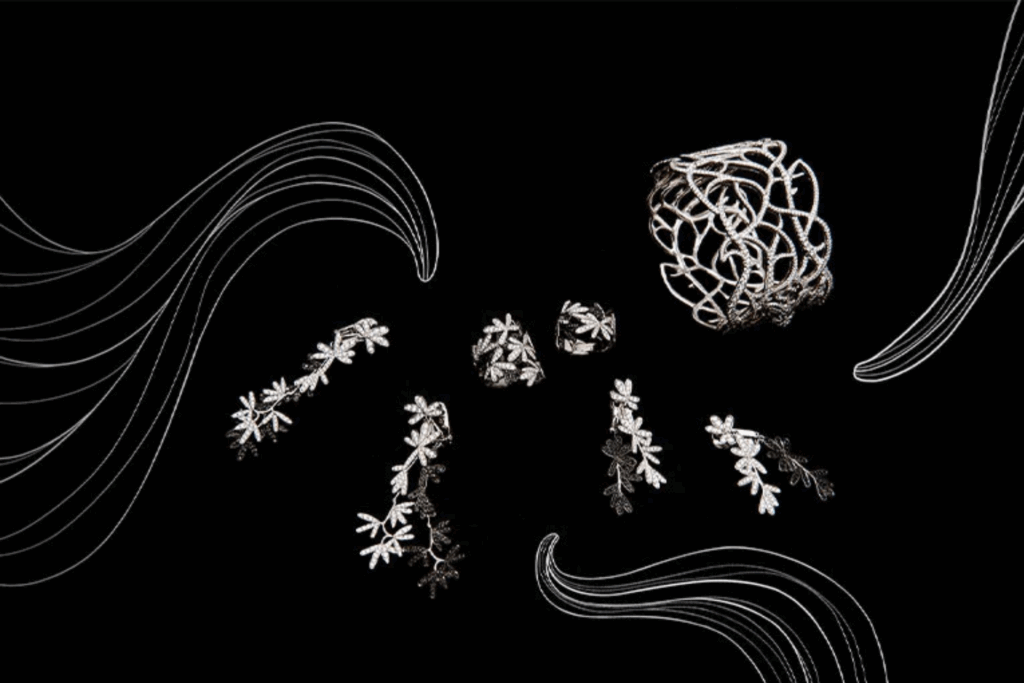
Above: Ombre & Lumière Collection, Lorenz Bäumer

AC: From pioneering masstige haircare to sparking the designer fragrance wave, what’s the most valuable lesson from those earlier breakthroughs that continues to shape how you guide luxury brands today?

PM: Some small lessons were most valuable. For instance, to discover how much the consumer was prepared to trust a brand that carried a person’s first and last name over a made-up name. For instance, Graff, David Morris, or Harry Winston Diamonds over Pandora. When one’s family reputation is on the line, the owners work harder in honor of their name. They are not hiding behind fake names. This is something we are used to seeing in luxury. Most of them are first and last names, except perhaps Rolex, but that is an industrial brand, unlike F.P. Journe, where each watch is made by only one Master Jeweller.

Perhaps the largest lesson was not to invent fake fairytale stories other than for seasonal collections. The luxury maison requires authentic and meaningful stories. Never lie. So, if we are to construct or reconstruct a brand story, we aim to add real legitimacy. This is what Louis Vuitton did before introducing their perfume collection. They had failed 100 years ago. I suppose that a luxury house making waterproof canvas trunks had no legitimacy in the fragrance world other than for fragrances that go inside the box or ambiance fragrances, but not those to wear on your person.

LV acquired a storied 18th-century ex-perfume manufacturing building in Grasse, the capital of French perfumery. They employed an experienced ‘nose’ who was born in Grasse and is a third-generation Master perfumer. Jacques Cavallier-Belletrud’s CV adds tremendous legitimacy to the house of LV. Additional credibility was given to the building by sharing it with Christian Dior’s perfumers. Luxury requires a Master in the house, unlike Ralph Lauren, which will stick its label on products made by someone else.

Perhaps another lesson was to stick to working with founders / CEOs only because you can be direct with them and vice versa. They listen, are curious, offer great insights, ask sharp questions, and are sometimes quite funny. They understand things quickly and can make things happen. Most are very humble, sincere, and generous. They have nothing to prove to anyone, so they are a real pleasure to serve. However, on this point, we have also come to conclude that “nobody can destroy a brand better than its owner or its managers“. Tesla currently offers a perfect example, as does Boeing.

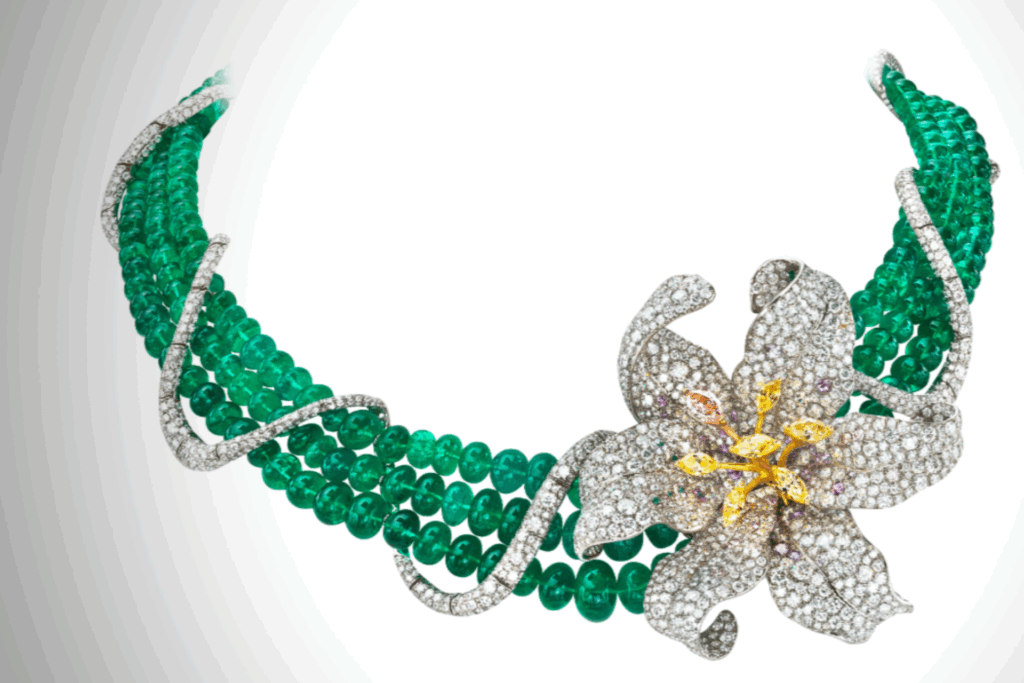
Above: Turandot Lily Necklace, Anna Hu Haute Joaillerie

Thank you, Mr. Mihailovich!

Philippe Mihailovich’s perspective reveals how luxury today is defined not only by heritage and scarcity, but also by authenticity, responsibility, and long-term brand stewardship. From the evolution of brand architecture to the challenges of sustainability and ethical sourcing, his insights remind us that the future of luxury depends on clarity, cultural relevance, and meaningful leadership at the very top.

For more valuable perspectives from Philippe Mihailovich, make sure to follow him on LinkedIn.

The WLCC Weekly Edit: Markets, Fashion, Yachting, Auctions & Acquisitions

Welcome to The Weekly Edit, your curated digest of the latest in the world of luxury. Each week, WLCC brings you a handpicked selection of industry news, insights, and stories influencing the future of high-end fashion, design, travel, real estate, and beyond. Consider this your insider’s guide to the latest in luxury. 

After A Weak Year, HSBC Forecasts 2026 Growth in Luxury

After a challenging year, HSBC believes luxury brands are turning a corner, forecasting stronger performance from late 2025 into 2026. Sales across its coverage are expected to climb 3% in the second half, helped by recovery in China, easier comparisons in Europe and Japan, and launches at more accessible prices. Hermes was downgraded to Hold as growth looks limited, while LVMH and Kering were upgraded to Buy with higher price targets. HSBC highlighted Dior’s rebound, cost measures, and new leadership at Kering as key drivers, stressing that investors should track sales momentum over valuations or margins.

Via: Investing.com

Luxury Takes the Court: Fashion Shines at the US Open 

At the 2025 U.S. Open, luxury fashion has made a striking serve, joining the athletic legacy of Nike and Adidas. High-end brands like Gucci, Miu Miu, Burberry, Dior, and Bottega Veneta are now prominently partnering with players (Coco Gauff, Jannik Sinner, Lorenzo Musetti, Jack Draper, Stefanos Tsitsipas, and Zheng Qinwen), blurring the lines between sport and style. Tennis’s prestige, global reach, and individual star power make it a rich marketing opportunity for luxury labels seeking both elite and aspirational consumers. As a result, courts are emerging as vibrant stages where fashion and competition intersect. 

Via: Yahoo Sports 

Spotlight on France’s Nautical Powerhouse: Cannes Yachting Festival 2025 

The Cannes Yachting Festival, running September 9th to 14th, 2025,  remains a must-attend industry event, showcasing over 700 vessels from 5–50 meters and drawing roughly 55,000 visitors to Vieux Port and Port Canto. Established in 1977, the festival reflects the global superyacht market, which generated €5.9 billion in 2023, with nearly 90% of yachts over 30 meters built in Europe. Highlighted innovations include the first Pershing GTX70 model, new entries from Beneteau, Ferretti Yachts, Jeanneau, Prestige, Lagoon, and the Allures Horizon 47. In France’s Provence-Alpes-Côte d’Azur region, the yachting industry contributes around €1 billion in turnover and supports over 10,000 jobs. 

Via: Luxury Tribune 

Sotheby’s Launches Luxury Auction Week in Abu Dhabi 

Sotheby’s is set to debut its inaugural Collectors’ Week in Abu Dhabi this December, signaling a major expansion into the Gulf’s luxury market. The four-day event from December 2nd to the 5th it will showcase an exceptional selection of high jewelry, rare watches, collector cars, real estate, and museum-quality art, appealing to ultra-wealthy regional and international collectors. Iconic pieces, including rare diamonds, bespoke timepieces, and exclusive supercars, will headline the auctions, reinforcing Sotheby’s reputation for curating exceptional objects of desire. The event also reflects Abu Dhabi’s growing cultural prominence and strategic investment in the global luxury ecosystem, positioning the city as a premier destination for elite collectors. 

Via: Gulf News 

Soho House Transitions to Private Status with $2.7 Billion Acquisition 

Soho House & Co has agreed to a $2.7 billion acquisition led by MCR Hotels, marking its return to private ownership. The four-day event, hosted at the St. Regis Saadiyat Island Resort, will feature high-jewelry, rare timepieces, collector cars, real estate, and museum-quality art, with highlights including a 31.86-carat pink diamond (The Desert Rose), a rare Rolex Daytona (Oyster Albino), a 2010 Aston Martin One-77, a Pagani Zonda 760 Riviera, and even competition McLaren chassis tied to the F1 Grand Prix. The auction aligns with Abu Dhabi’s cultural ascendance and ADQ’s minority stake in Sotheby’s, targeting ultra-affluent regional and global collectors. 

Via: Luxury Tribune, Soho House

Chanel and Dior Preview New Designers at Venice Film Festival 2025

At the 2025 Venice Film Festival, fashion took center stage as Chanel and Dior previewed creations from their newly appointed designers ahead of official Paris debuts. Jonathan Anderson, Dior’s new creative director, unveiled more than a dozen looks, including a deconstructed minidress and a navy gown. Chanel’s Matthieu Blazy teased his vision with understated white trousers and a blouse adorned with shimmering CC buttons. Using Venice’s red carpets and gondolas as backdrops, both houses signaled a shift in strategy, soft launching collections through Hollywood glamour before the runway.

Via: The Guardian

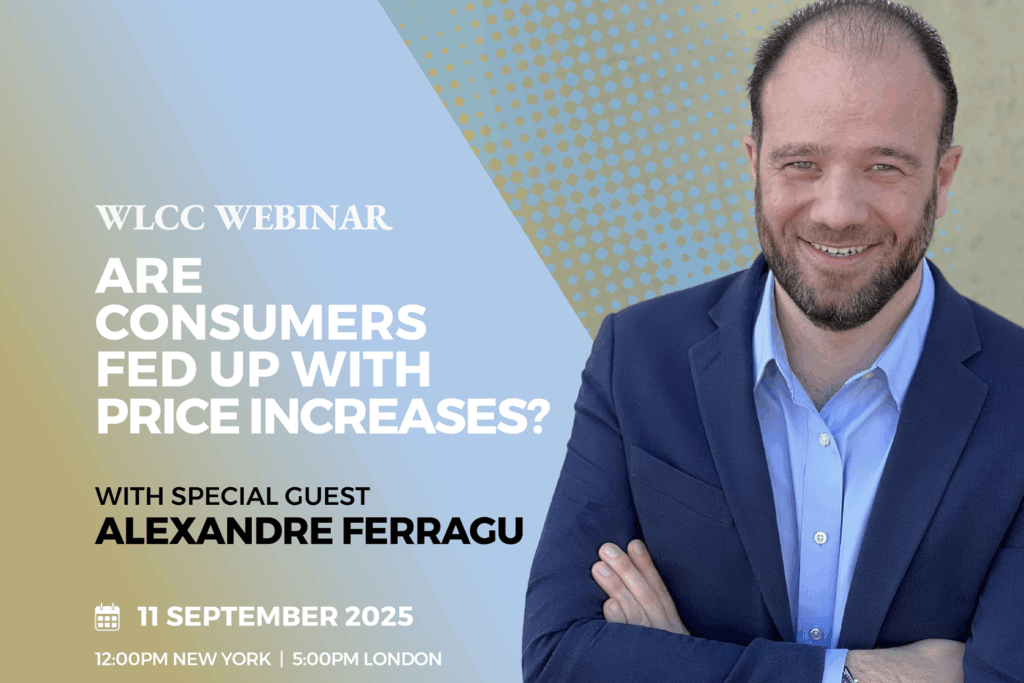
Are Consumers Fed Up with Price Increases?

This webinar explores how ongoing price hikes affect consumer behavior, loyalty, and perceptions of value. It will address shifting spending habits, the psychology of pricing, and strategies for brands to sustain trust in a climate of rising costs.

About the Speaker: Alexandre Ferragu, professor of Marketing and Luxury Marketing, brings expertise in business development, strategy, and retail. With deep experience in branding, e-marketing, and leadership in the luxury watch and retail sectors, he provides practical insights for professionals navigating market challenges.

Details: Free for WLCC Members | Online | 11 September 2025 | 12PM NY | 5PM London | Register now: https://worldluxurycouncil.com/events/are-consumers-fed-up-with-price-increases/

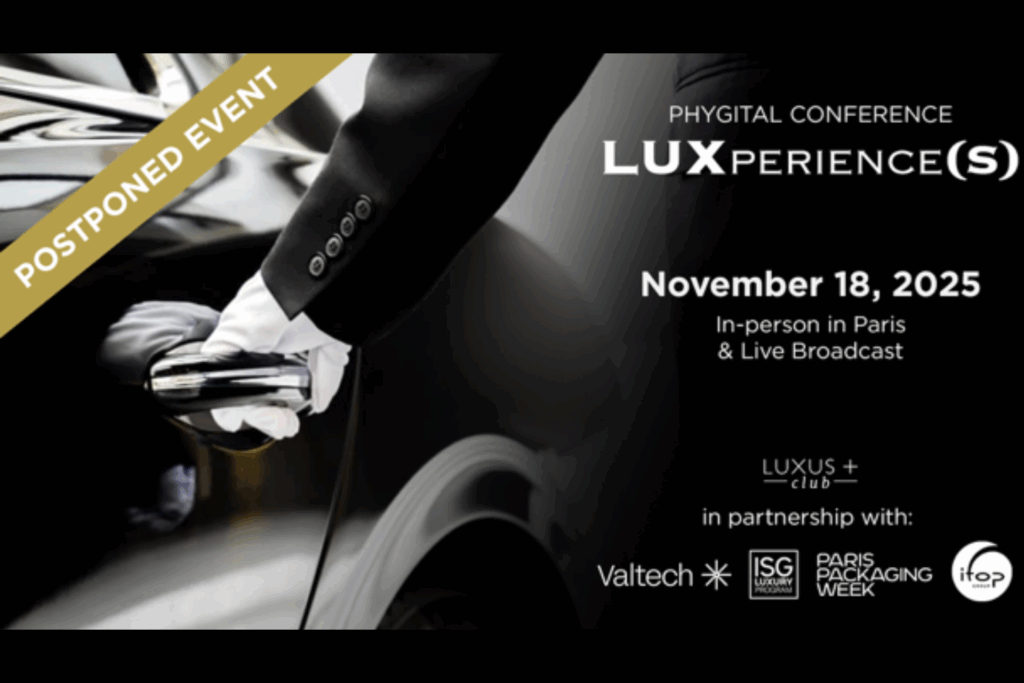
The Phygital Conference – LUXperience(s)

Organized by Luxus+ Club in partnership with IFOP, Valtech, ISG Luxury Program, and Paris Packaging Week, LUXperience(s) is the phygital conference dedicated to new experiences in luxury. At the heart of the program: the exclusive presentation of a major international study conducted by IFOP x Luxus+ with 4,500 luxury consumers across 7 countries. Keynotes and round tables will bring together leading voices from Louis Vuitton, Accor, LVMH, IFOP, Valtech, ISG Luxury Program, and more, to explore the shift from ownership to experience.

Details: Paris, France | Live & In person | 18 November 2025 | Book your ticket: https://worldluxurycouncil.com/events/luxperiences/


Stay ahead of the curve; explore more stories, register for upcoming events, and join the conversation with WLCC: https://worldluxurycouncil.com/insights-news/

Exclusive Interview: Airship Expeditions and the Next Era of Conscious Luxury Travel

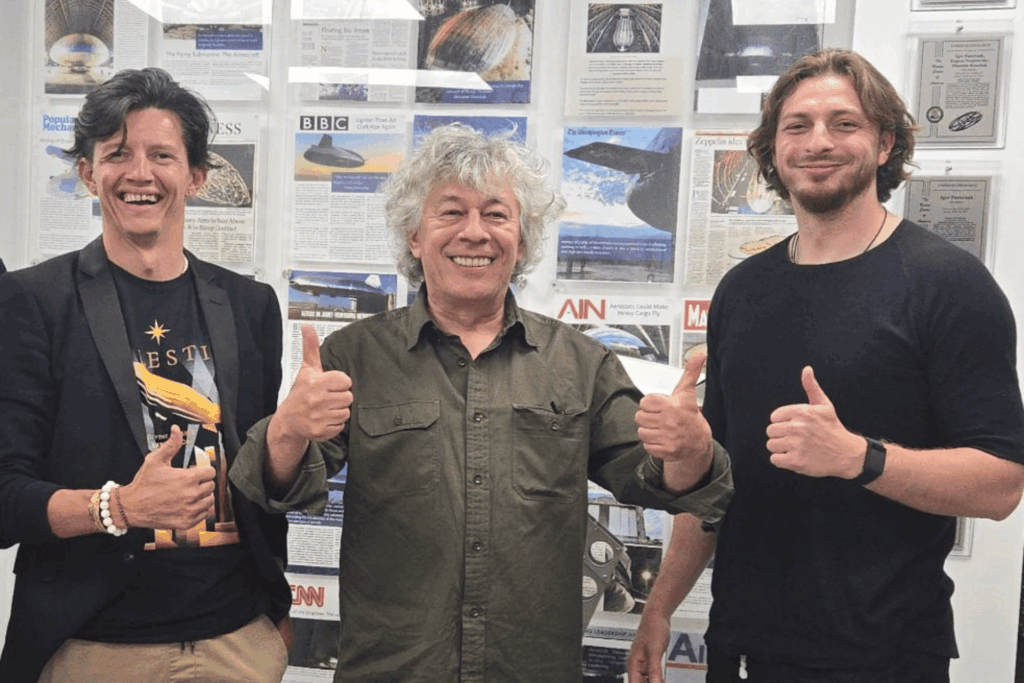
In an exclusive interview led by Alexander Chetchikov, President of the World Luxury Chamber of Commerce, three visionaries: Serhii Cheromush, Founder of Airship Expeditions; Igor Pasternak, Founder & CEO of Aeros; and David Richman, Founder of DOM WORLD, share how Celestia is rewriting the definition of luxury in 2025 and beyond. Together, they explore how airships, curation, and alignment of values are creating not just new ways of travel, but entirely new dimensions of experience.

Alexander Chetchikov: Luxury is often associated with excess, but Celestia seems to pursue a quieter, more intentional kind of opulence. How do you characterize luxury in 2025?

Serhii Cheromush, Founder of Airship Expeditions: Luxury today—and even more so in the near future—is silence from the constant “noise” of the outside world. Most of us live in a state of reaction: to endless news, to other people’s demands, to external agendas. What gets lost is time for ourselves, for what we truly love, and for what matters most. Real luxury is reclaiming that time and attention. It means turning back to self-love as the starting point of harmony—both within ourselves and with the world around us.

And for accomplished individuals, luxury also means building bonds with like-minded peers—people who inspire you not because of their status or resources, but because of who they are. Celestia is designed as a platform for these kinds of encounters and reconnections.

AC: Airships aren’t the obvious choice for modern travel. What inspired you to revive this format, and how does it cater to the kind of luxury experience today’s customers are seeking?

SC: That’s exactly why they are so compelling. In the 1930s, airships were icons of glamorous travel—floating palaces that crossed the Atlantic in style. And then, for nearly a century, they vanished. They remained symbols of freedom and wonder, but with serious limitations. Traditional airships relied on massive ground crews, external ballast, and behaved more like balloons than aircraft.

What changed everything for me was discovering that Aeros had reimagined the airship. Our partnership with Igor Pasternak and Aeros allows us to bring this dream back—this time as one of the safest, most elegant, and versatile forms of air travel.

Igor Pasternak, Founder & CEO of Aeros, Board Member of Airship Expeditions: Our breakthrough is variable buoyancy control. The Aeroscraft can manage its heaviness internally, which means it can take off and land vertically—no airports, no runways, no support infrastructure. It is a truly independent and mobile platform for travel.

This opens the door to a completely new kind of luxury. That’s where Neona comes in—our sky yacht, built for VVIP travelers. It combines the elegance expected of luxury travel with the freedom to reach extraordinary destinations. Today, luxury isn’t only fine service or materials. It’s also access—to remote landscapes, untouched views, and moments only a handful of people will ever experience. Imagine expedition air tours to the Amazon rainforest, the North Pole, or remote deserts—stunning, but unreachable with conventional transport.

Behind this is our larger model, the ML806, with a 6-ton payload capacity. It is expected to be operational in 2028, primarily for logistics and expedition support. Its existence proves how robust and scalable this technology is.

SC: And looking further ahead, we are already integrating Aeros’ ML866 with a 66-ton payload into Celestia’s vision. This model will power our transatlantic and round-the-world expeditions. Inside, Celestia will feature 13 luxury suites, panoramic lounges, media and dining salons, a retreat space for quiet reflection, and private areas for curated gatherings. Two full decks create a next-generation boutique hotel in the sky, hosted by a crew of 15, including curators, chefs, and dedicated staff.

AC: Celestia is built around curation—from guests to experiences. In your view, is the future of luxury less about access and more about alignment?

SC: Exactly. Traditional luxury has always been about access—to rare places, exclusive clubs, or exceptional things. But in 2025 and beyond, the real value for leaders and visionaries isn’t access—it’s alignment.

Celestia is founded on the idea that true luxury is being in the right company, surrounded by people who share your values and worldview. We design expeditions that cannot be mass-produced: unique routes, sacred sites, and transformative practices. Crafting them requires expertise possessed by only a handful of people in the world.

Every journey is curated to bring together not just participants, but a community of co-creators: scientists, artists, entrepreneurs, philosophers, and environmentalists. Their encounters onboard spark new ideas, friendships, and shared meaning. That’s why I say: the future of luxury is less about possession, and more about alignment—with people, ideas, and spaces that can transform your life.

AC: From Antarctica to Burning Man, your expeditions span extremes. What’s the common thread that ties all Celestia journeys together, beyond the destinations themselves?

SC: The common thread is the spirit of adventure. Celestia journeys combine the cinematic thrill of Indiana Jones, the expeditionary odyssey of Jacques Cousteau, and the imagination of Jules Verne. Each voyage pushes beyond the ordinary, opening worlds few have seen, with the elegance and depth that define a new century of exploration. Celestia is not just about where we go—it’s about the stories and meanings born along the way.

AC: Where do you see Celestia in 10 years? Is it a one-of-a-kind experience, or the beginning of a new category in luxury travel?

SC: Celestia is unique today—but unique projects are often the ones that open new eras. We are building it in three stages. The first is an immersive museum and series of events that introduce the world to this new mode of aerial adventure. Already, anyone can step into this experience through our partner Dom.World, where Celestia exists as a living metaverse presence.

David Richman, Founder of DOM WORLD, Board Member of Airship Expeditions: Celestia is more than a futuristic airship. It’s a symbol of a new era of mobile spaces and travel. Together with Airship Expeditions and Aeros, we are creating its phygital presence inside DOM WORLD—long before it takes to the skies. Visitors can already:

  • Walk through a 3D interior and exterior of the ship
  • Explore lounges, suites, and observation decks
  • Interact with an AI guide telling the story of Celestia
  • Watch 360° videos and VR content
  • Join quests, shows, and gamified experiences

This isn’t a render. It’s a living, evolving experience of the project.

SC: The second stage is our first demonstration flights in Southern California. During the 2028 Olympics, VVIP guests will personally experience the 6-ton version of the airship. And 1.5 billion people worldwide will witness “Celestia: Into the Fifth Dimension,” a nighttime spectacle featuring the 360° LED airship and 1,000 synchronized drones.

The third stage is the launch of full-scale transatlantic and round-the-world expeditions. These journeys will transform not only the lives of participants but also the very definition of luxury travel itself.

Yes, for now, Celestia is a singular format. But it holds the potential to grow into a new category of conscious luxury travel—where science, culture, and transformation converge.

Let’s Journey Begin!

As the conversation draws to a close, one thing becomes clear: Celestia is more than an airship; it is a philosophy of travel, community, and discovery. With its blend of pioneering technology, curated encounters, and a vision of conscious luxury, Celestia stands poised to redefine what it means to journey in the 21st century. For those who seek more than movement from place to place, but rather transformation along the way, the sky is no longer the limit; it is the beginning.

To learn more, visit CelestiaAirship.com

Want to read more exclusives? Check out our news and insights: https://worldluxurycouncil.com/insights-news/ & sign up for our newsletter here: https://worldluxurycouncil.com/wlcc-community/
The Unseen Hand: How AI is Changing the Future of Luxury by Vogue Business and IBM 

Artificial intelligence is the new force that is taking hold in the ever-evolving world of luxury. The report, “Evolve or Fade Away: Enriching Luxury Heritage in the AI Era,” by Vogue Business in partnership with IBM, presents a clear directive for established brands. With a cooling global economy and a new generation of consumers, the industry is at a crossroads. The message is simple: AI is not a trend to be observed but a tool to be wielded, not just to improve efficiency, but to amplify the very experiences that define luxury. 

Meaningful Insights from the AI Transformation 

The integration of AI is not a single switch; it’s a fundamental shift across every facet of a brand’s operation. AI works best when it is considered across all aspects of the value chain. The report identifies where this technology will have the greatest impact, moving beyond simple automation to create meaningful value. Understanding the shifting markets, the advantage of AI, and how the innovation is transitioning into being responsible is key.

Shifting Markets: The Changing Global Landscape

  • The Slowdown and Growth Waves: China and Europe’s markets are slowing, while emerging powerhouses like India, Brazil, and South Korea are gaining momentum. India is forecasted to become the world’s fourth-largest economy by 2025. 
  • Price & Brand Loyalty: This shift is also driven by consumer behavior, with 62% of global consumers now considering price as a key reason for brand loyalty, or a lack thereof. 

The AI Advantage

The report outlines a two-phase approach to AI adoption. The first phase uses AI for data analysis, while the second leverages generative AI for creative endeavors. 

  • Creative Processes: Generative AI can assist in everything from product design to digital prototyping, reducing waste and sparking new ideas from a brand’s archives. 
  • Operational Excellence: Predictive AI enhances inventory management and logistics, ensuring that a customer who checks a website for a specific item can actually find it. 
  • Personalized Client Relations: AI moves beyond demographics, grouping clients by their values and interests. It also provides client advisors with data to offer unique, one-to-one product recommendations. 

Responsible Innovation

The report highlights that embracing AI requires a responsible framework, especially with new regulations on the horizon, such as the EU’s Digital Product Passports (2026) and the European AI Act (2024). 

  • Transparency is key: Brands must be transparent about their AI usage and work with trusted partners who prioritize ethical data practices. 
  • Caring for the Future: The long-term impact, including the energy consumption of AI, must be a key consideration. 

The Way Forward 

The question is not whether to adopt AI, but how to integrate it in a way that respects heritage while building a future-proof business. For brands to remain competitive, they must embed AI as a core strategic asset. By focusing on personalization, operational efficiency, and a responsible framework, AI can empower the industry to navigate current market challenges and to solidify its position for a new era of growth. In a landscape where change is constant, the strategic application of AI is the key to enduring success. 

To view the full report, visit: https://www.voguebusiness.com/story/technology/evolve-or-fade-away-enriching-luxury-heritage-in-the-ai-era  

Stay up to date on the latest luxury industry news: https://worldluxurycouncil.com/insights-news/  

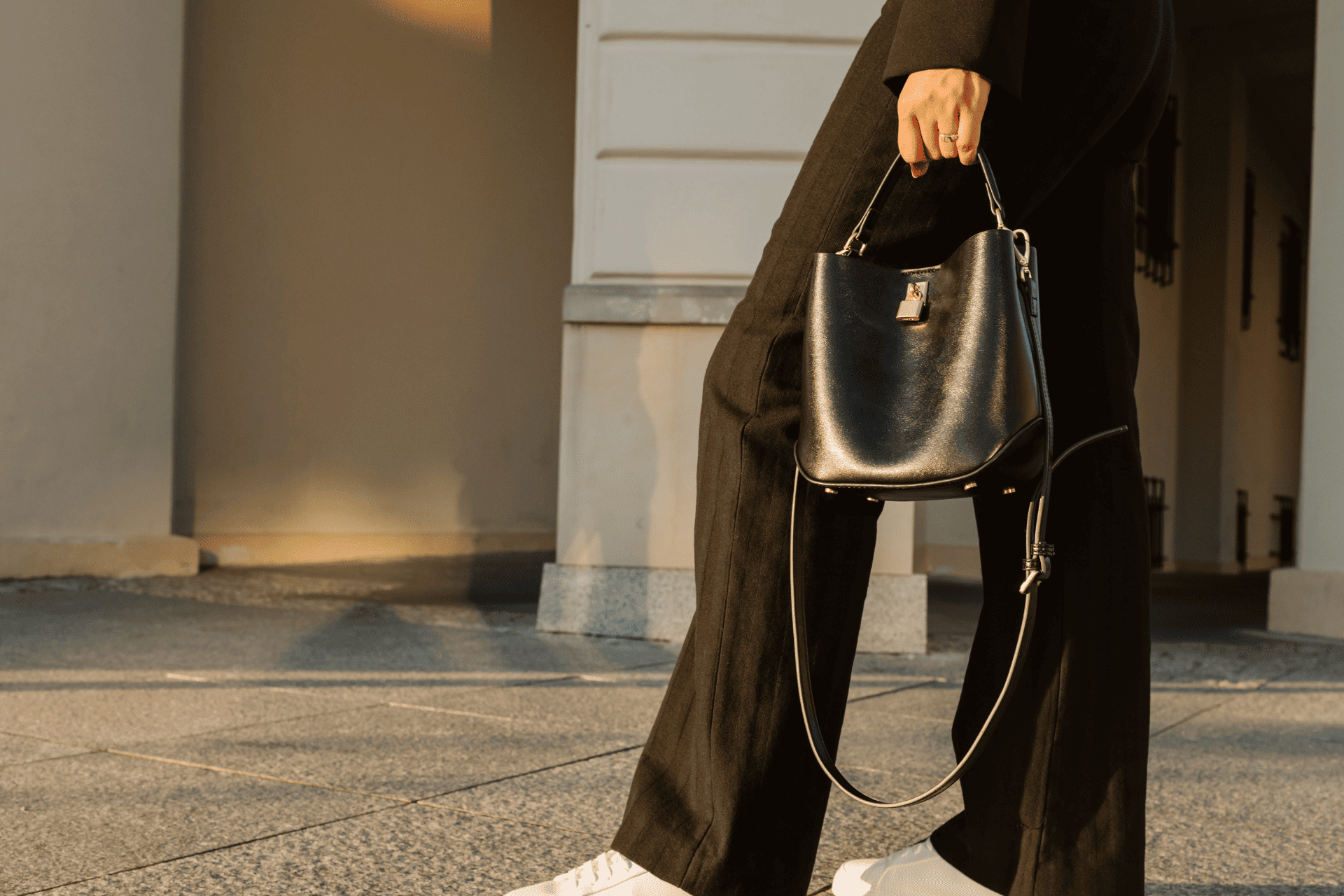
Handbag Revival: The 2010s Comeback

Designer handbags from the early 2000s are resurfacing on runways and in fashion circles, driven by nostalgia, second-hand demand, and renewed consumer interest. From Balenciaga’s City bag to the Celine Phantom, brands are revisiting iconic silhouettes, reconnecting with past admirers while capturing a new generation of buyers.

The resurgence of early-aughts handbags reflects both cultural nostalgia and smart merchandising strategies. Key factors include:

  • Nostalgia and Generational Influence: A 10-20 year gap often allows a handbag to feel fresh again. Consumers who admired these bags in their youth now have the means to purchase them.
  • Strategic Brand Moves: Re-editions allow brands to reinforce their identity, capitalize on second-hand market interest, and respond to evolving consumer tastes. For example, Balenciaga’s Le City bag.
  • Celebrity Endorsement and Social Media: Influencers and celebrities continue to amplify the demand. Campaigns featuring Kate Moss, Nicole Kidman, Rihanna, and Gwyneth Paltrow highlight the allure of these reissued bags, while social platforms like Instagram drive viral interest.
  • Market Data: Searches for classic bags have surged dramatically: Chloé Paddington (up 339%), Balenciaga City (up 110%), Fendi Spy (up 61%), and Celine Phantom (up 360%). The RealReal and Vestiaire Collective report a significant spike in engagement with these re-editions.
  • Upcoming Resurgences: Observers predict other early-2010s styles will soon return to prominence, confirming the cyclical nature of handbag trends.

The luxury handbag market demonstrates a clear pattern: what was once a “hot bag” is likely to regain prominence over time. Nostalgia, celebrity influence, and strong second-hand demand combine to create a lucrative environment for re-editions, ensuring that many iconic early-2000s handbags will remain coveted in the years ahead.

Stay up to date on the latest luxury industry news: https://worldluxurycouncil.com/insights-news         

SOURCES: INSTYLE

The Shifting Landscape of Wealth: 2025 Insights by Knight Frank

Global wealth keeps evolving in response to political shifts, economic challenges, and emerging investor priorities. Luxury investment patterns are changing in step with new demographic and generational forces.

The 2025 edition of The Wealth Report by Knight Frank, now in its 19th year, offers a comprehensive analysis of these dynamics, with a particular focus on prime property markets and private capital trends. The report explores how high-net-worth individuals (HNWIs) are adapting their strategies and how real estate is playing an increasingly central role in wealth preservation and growth. The World Luxury Chamber of Commerce highlights the main takeaways.

One of the central themes of the 2025 edition is the enduring appeal of real estate as a core asset class among wealthy individuals and family offices. Based on Knight Frank’s survey of 150 family offices, nearly half intend to increase their allocation to property over the next 18 months. Commercial real estate is a primary focus, though residential assets remain highly sought after. However, market barriers persist: limited inventory in key cities, regulatory constraints, and elevated borrowing costs are complicating acquisition strategies.

Despite these challenges, investor demand remains firm. In London, for example, occupiers seeking large office spaces are facing multi-year waits, reflecting a mismatch between availability and demand. In the residential sector, all G20 nations have fallen short of their housing supply targets, placing upward pressure on both prices and rents. This shortfall has made the living sector increasingly attractive for private capital.

The United States continues to dominate in terms of wealth generation. Nearly 40% of individuals with a net worth above US$10 million reside in the U.S. However, emerging regions are also gaining ground. Africa, although smaller in absolute wealth, is showing signs of robust growth thanks to its youthful population, natural resources, and infrastructure development. Asia remains a major force, with strong gains in China and India contributing to a global rise in high-net-worth populations.

The report also draws attention to generational change. A new wave of younger, affluent individuals is reshaping investment preferences. Health, wellness, and meaningful experiences are taking precedence over material accumulation. Stocks, real estate, and cash remain the dominant investment vehicles, but there is growing curiosity around digital assets, collectibles, and impact-driven ventures.

Macro-level risks are still influencing investment behavior. Inflation, although moderating, continues to affect policy and lending environments. Trade tensions (particularly those involving the U.S.) have introduced new uncertainty. In parallel, national debt levels across developed economies are triggering debate about fiscal sustainability. Despite these headwinds, markets have remained resilient, supported by expectations of eventual rate cuts and continued technological optimism.

Luxury investments also saw mixed performance, with art and whisky markets underperforming. However, real estate and select alternative assets continue to attract investor interest as tangible stores of value. Knight Frank’s research points to price gains in key prime residential markets in 2025, driven by constrained supply and growing demand.

Urban mobility and flexible work arrangements are also having a noticeable impact. Cities are facing the dual challenge of welcoming globally mobile workers while managing the pressure they place on housing markets. Locations like Lisbon illustrate how shifting demographics and remote work culture are reshaping urban economies and prompting policy responses to preserve livability and affordability.

Summary of the Main Takeaways:

  • 44% of global family offices plan to increase their exposure to real estate.
  • Housing supply shortages across major economies are driving both rental and price growth.
  • The U.S. remains the dominant force in global wealth.
  • Africa and Asia are emerging as growth centers, thanks to population dynamics and economic diversification.
  • Younger investors prioritize health, purpose, and flexibility, shifting focus away from traditional luxury consumption.
  • Inflation and trade tensions remain key economic risks, though asset markets continue to perform.
  • Luxury collectibles dipped in 2024, but real estate is expected to deliver positive returns in 2025.
  • Remote work and global mobility are influencing property values and prompting new urban planning challenges.

The Wealth Report 2025 captures a moment of transformation. It presents a world where private capital remains highly influential, but where younger investors, shifting economic conditions, and global uncertainties are reshaping priorities. Real estate continues to attract capital, both as a store of value and a generator of income, and wealth creation shows no sign of slowing, albeit with regional and structural shifts. For those navigating this evolving landscape, a deep understanding of economic, social, and political trends will be essential.

To read the full report by Knight Frank, visit:  https://www.knightfrank.com/wealthreport 

Stay up to date on the latest luxury industry news:  https://worldluxurycouncil.com/insights-news/ 

From Skincare to Streetwear: The New Faces of Gulf Luxury

Luxury in the Gulf is undergoing a vibrant transformation, driven by a new generation of affluent, optimistic consumers. From skincare-obsessed Gen Z to wellness-focused Gen X, this diverse audience is fueling significant growth in personal luxury sales across the UAE and Saudi Arabia. As global markets falter, the Gulf’s luxury landscape is thriving, attracting international brands and reshaping consumption patterns.

Editor’s note from source: This story is excerpted from Jing Daily’s exclusive report Driving Revenue in the Middle East: Saudi Arabia and UAE.

Market Overview

Luxury brands are increasingly targeting the Gulf, with Zegna hosting its first show outside Italy in Dubai and The Frankie Shop entering Abu Dhabi. GCC personal luxury sales grew 6% in 2024, driven by the UAE and Saudi Arabia. Retail sales are projected to rise from $12.8 billion in 2024 to $15 billion by 2027, supported by an influx of wealthy expats and strong local spending. 

The UAE is expected to gain 9,800 new millionaires in 2025, while Saudi Arabia adds 2,400. Consumer optimism is high, with 97% of GCC buyers planning to maintain or increase luxury spending in early 2025, focusing on watches, jewelry, leather goods, and cars. The different consumer profiles can be divided into different categories:

Gen Z Beauty Enthusiasts

  • Women ages 13–28 drive the region’s beauty boom.
  • Monthly spend: $52 on skincare, $63 on makeup.
  • Influenced by social media (TikTok, YouTube, Snapchat).
  • Preferences: hydration, anti-aging, natural “skin-first” glow, moisture-locking ingredients.

Saudi Streetwear Community

  • Young consumers use streetwear for self-expression, often linked to events like Soundstorm festival.
  • Favor modest silhouettes, understated designs, and culturally inspired items.
  • Seasonal trends: Western streetwear in spring/summer; traditional wear in winter.

Emirati HNWI Fashion Enthusiasts

  • Globally trend-conscious, spending high budgets locally and abroad.
  • Average annual luxury spend: $58,000 in Dubai, $24,000 in Riyadh.
  • Preferences: heritage brands, exclusive collections, VIP services, and personalized experiences.

Gen X Wellness Devotees

  • Age 45+, focusing on longevity, health, and beauty maintenance.
  • Popular activities: wellness retreats, holistic skincare rituals (herbal infusions, body-smoke, scalp treatments).
  • Rising demand for menopause-focused solutions.

The Gulf luxury market is no longer defined solely by wealth but by optimism, experience-driven consumption, and a diverse set of lifestyles. Brands that understand the nuanced preferences of Gen Z, Emirati HNWIs, and wellness-oriented Gen X consumers are best positioned to succeed in this booming, multi-generational ecosystem.

Stay up to date on the latest luxury industry news: https://worldluxurycouncil.com/insights-news         

SOURCES: JINGDAILY, JINGDAILY REPORT

Luxury Library: Marketing Luxury Services – Concepts, Strategy, and Practice

Author: Miguel Angelo Hemzo 
Publication Date: 2023
Amazon Rating: 4.2

The WLCC Luxury Library is a vital hub for luxury professionals and enthusiasts, offering a curated collection of insights, trends, and knowledge in the luxury sector. Tailored for members of the World Luxury Chamber of Commerce, it offers up-to-date resources on branding, marketing, and high-end consumer behavior. Through a focus on learning and collaboration, the Luxury Library seeks to inspire innovation and raise the bar within the luxury sector. 

Marketing Luxury Services: Concepts, Strategy, and Practice is a comprehensive and academically grounded guide for students, professionals, and aspiring leaders in the luxury industry. Offering a rare blend of theory and real-world insight, this textbook unpacks the complexities of marketing luxury services, a category often more nuanced and emotionally driven than products alone.

The Book Reveals Several Core Lessons, Including:

  • A historical and cultural overview of luxury and its evolving definitions, setting the foundation for modern luxury marketing practices.
  • Strategic insights into positioning, pricing, and promotion tailored specifically to luxury services.
  • A framework for understanding the “8 Ps” of luxury marketing, combining the classic marketing mix (Product, Place, Promotion, Price) with the service-dominant logic (People, Process, Panorama, and Productivity).
  • Deep dives into brand communication, value perception, and global expansion strategies tailored to high-net-worth consumers.
  • Real-world case studies and contributions from luxury marketing practitioners bring the theory to life with practical application.
  • Guidance on aligning luxury service delivery with experience, emotion, and personalization, the key expectations of today’s affluent clientele.
  • Emphasis on the critical balance between exclusivity and accessibility in a service environment.

Whether you’re a student exploring luxury marketing for the first time or a professional refining your strategic toolkit, Marketing Luxury Services equips readers with a holistic view of how luxury brands must adapt their approach when the product is intangible, emotional, and experience-based.

This textbook is an essential read for those looking to navigate and lead in the evolving world of luxury service management.

Get the book on Amazon today. 

To learn more about The Luxury Library, view the 21 must-read books

WLCC Welcomes Philippe Mihailovich to Its Distinguished Board of Directors

The World Luxury Chamber of Commerce (WLCC), a global community uniting the finest luxury brands and visionaries, proudly announces the appointment of Philippe Mihailovich to its Board of Directors. With a distinguished career spanning decades across luxury, fashion, beauty, and global brand management, Mihailovich brings unparalleled expertise, thought leadership, and passion for shaping the future of luxury.

As Co-Founder, CEO, and Brand Architect of HAUTeLUXE, Philippe Mihailovich is internationally recognized as a leading advisor to high luxury brands, analyst-strategist, practitioner, and educator. He is the lead author of HAUTE “Luxury” Branding — a book that has been recognized among the Top 10 Branding Books by The Branding Journal (NYC) and is currently preparing its second edition. His pioneering work in Brand Architecture has influenced industry giants and academics alike, with models that have been adapted and expanded by leading brand theorists such as Aaker and others.

Mihailovich’s career journey includes leadership roles as Marketing Chief for global powerhouses such as Nivea UK, Wella, Clairol, and British Telecom, as well as President and Managing Director of Couture Brands in both Europe and the U.S. He has since advised CEOs of luxury houses, niche challengers, and high-luxury businesses worldwide — from high jewelry and leather goods to fragrance, beauty, hospitality, and rare ethical colored diamonds – with the most complicated ‘problems’ but also enjoys facilitating collaborations and partnerships with luxury brands and property developers, potential franchisees and artists.

As a professor of Luxury Brand Management, Mihailovich teaches at prestigious institutions including NEOMA, INSEEC, Rennes School of Business, Toulouse Business School, Burgundy School of Business, EFAP, ICART, EIDM, Istituto Marangoni Paris, as well as international exchanges with SP Jain School of Global Management (India) and China University of Geosciences (Wuhan). He is also known for guiding executive students on private field trips to exclusive Parisian luxury houses—an insider’s view of the world’s most secretive and iconic maisons.

Reflecting on his appointment, Mihailovich shared “I feel truly honored to have been invited into this select group of visionary leaders. Throughout my career, I have sought to build, repair or enhance luxury brands with sustainable and meaningful futures. Joining the WLCC Board is a unique opportunity to contribute my experience, foster collaborations, and strengthen our collective mission of shaping the future of luxury.”

Philippe Mihailovich’s international background—born in South Africa with French, Swiss, Serbian, and German heritage, and having lived and worked across Paris, London, and New York — further underscores his global perspective and deep cultural insight into the luxury sector.

“We are delighted to welcome Philippe Mihailovich to the World Luxury Chamber of Commerce Board of Directors. His thought leadership, groundbreaking contributions to brand strategy, and lifelong dedication to the luxury industry make him an invaluable asset to our community. With Philippe’s guidance, we will continue to drive innovation, excellence, and growth for luxury brands worldwide,” commented Alexander Chetchikov, WLCC President.

With this appointment, the WLCC strengthens its mission of uniting the world’s leading luxury minds, recognizing their contributions, and empowering businesses to thrive in a rapidly evolving market.

To learn more about Philippe Mihailovich’s career and expertise, visit his LinkedIn profile. To explore WLCC’s mission and vision, visit:  https://worldluxurycouncil.com/about/

South Asia’s $1.2B City of Dreams Resort Aims to Elevate Colombo’s Hospitality Scene

Sri Lanka is set to elevate its tourism and hospitality landscape with the launch of City of Dreams, South Asia’s first integrated resort of its scale. With a US$1.2 billion investment, this Colombo-based development is designed to attract international visitors, strengthen the nation’s economy, and enhance the city’s status as a high-end destination. 

Transforming Tourism & Hospitality

  • Largest integrated resort in South Asia, combining hotel, residential, retail, and entertainment facilities.
  • Features premium hotel accommodations, a casino, convention spaces, retail outlets, and restaurants.
  • Targets high-end visitors from India, China, Russia, and the upper-middle-class segment.

Economic and Employment Impact

  • Expected to generate thousands of direct and indirect jobs across construction, hospitality, and related sectors.
  • Supports skill development through local workforce training and knowledge transfer.
  • Enhances investor confidence in Sri Lanka’s tourism sector.

Elevating Colombo’s Global Profile

  • Positions Colombo as a key destination for leisure and entertainment tourism.
  • Offers international-standard gaming facilities through Melco Resorts & Entertainment’s management.
  • Strengthens Sri Lanka’s appeal to regional and global travelers seeking comprehensive resort experiences.

City of Dreams is ready to change the nation’s tourism and hospitality sector. By attracting global visitors, creating jobs, enhancing infrastructure, and raising Colombo’s international profile, the resort marks a milestone in Sri Lanka’s economic and tourism growth, setting a benchmark for future large-scale developments.

Stay up to date on the latest luxury industry news: https://worldluxurycouncil.com/insights-news        

SOURCES: TRAVEL AND TOUR WORLD

Tax Reforms Spark Investor Confidence as Dubai’s Property Market Accelerates 

Dubai’s real estate market recorded an impressive surge in July 2025, with total sales reaching Dh63.6 billion. This strong performance reflects growing investor confidence, boosted by new tax reforms and a significant increase in off-plan property transactions. As Dubai continues to attract global interest, these developments signal positive momentum for the market’s trajectory.

Interesting Insights:

  • Sales Volume Growth: Sales activity for July represents a marked increase compared to previous months.
  • Off-Plan Market Expansion: Off-plan properties contributed significantly to the sales volume, showing increased demand from both local and international buyers.
  • Tax Reform Impact: The UAE’s Ministry of Finance recently introduced corporate tax measures that allow deductions on investment properties at fair value.
  • Diverse Buyer Base: The market saw strong interest from a mix of end-users and investors, signaling both short-term demand and long-term confidence in Dubai’s property sector.
  • Market Outlook: Experts suggest that continued government support and regulatory clarity will sustain this positive trend, encouraging further growth in real estate investments.

Dubai’s property market is demonstrating resilience and vitality, driven by strategic policy adjustments and sustained buyer interest. The combination of off-plan project appeal and favorable tax reforms is setting the stage for continued expansion. For investors seeking exposure to a dynamic luxury real estate landscape, Dubai remains a compelling destination.

Stay up to date on the latest luxury industry news: https://worldluxurycouncil.com/insights-news        

SOURCES: ARABIAN BUSINESS

Projecting the Skies of Tomorrow by Jetcraft

The private aviation arena continues to evolve, and the latest edition of Ever Forward: The Pre-Owned Business Aviation Report 2025 by Jetcraft offers an in-depth, data-driven view of where the market is heading. Now in its 11th year, the report examines the intersection of economic, political, and demographic factors shaping the sector, with forecasts extending to 2029. Leveraging over six decades of expertise and a robust global network, Jetcraft’s analysis combines comprehensive transaction data with on-the-ground intelligence to present a clear perspective for industry leaders, investors, and high-net-worth buyers.

The pre-owned business jet market, a significant pillar of luxury mobility, is poised for steady and sustainable growth over the next five years.

Market Size and Projections

  • Forecast of 11,202 transactions between 2025 and 2029, representing $73.9 billion in value.
  • 2024 saw $13.4 billion in pre-owned transactions, with 64% occurring in the U.S.
  • The large jet segment is driving expansion, buoyed by the arrival of new models such as the Falcon 6X, Gulfstream G700/800, and Bombardier Global 8000.

Demographic Shifts

  • Buyers under 45 now account for 29% of transactions, nearly doubling their share over the past decade.
  • This rise is linked to wealth generated in technology, AI, and finance, along with a growing share of female buyers (29%).
  • Entertainment industry clients make up 42% of this under-45 group.

Regional Dynamics

  • U.S. demand is bolstered by political and economic confidence.
  • Asia-Pacific is increasingly favoring large-cabin, newer jets.
  • Younger high-net-worth buyers are driving growth in the Middle East and Africa.
  • EMEA has regained its role as a key transaction hub, with cross-border sales between the Americas and EMEA representing a notable share of activity.

Market Conditions

  • The average days-on-market rose to 166 in 2024 from a low of 122 in 2022, reflecting healthier inventory levels.
  • Light aircraft have shown the strongest value retention since the 2022 peak, attracting first-time buyers and those upgrading from charter or fractional ownership.
  • Midsize jets are gaining traction for their balance of range, performance, and in-flight features.

Sector Themes and Implications

The market’s shift from post-pandemic volatility to measured stability signals an environment conducive to long-term planning. The entrance of younger buyers is diversifying the client base, influencing both product demand and service expectations. At the same time, the strong performance of light and midsize aircraft points to an expanding gateway segment for new entrants into private aviation ownership.

For established players in the luxury aviation sector, these patterns suggest the need for targeted engagement strategies across emerging demographics, as well as positioning inventory to capture the high demand for modern, large-cabin aircraft in Asia and the Middle East.

Jetcraft’s report paints a portrait of a market moving with steadier altitude, confident, strategically expanding, and increasingly global. While political landscapes, economic cycles, and generational shifts will continue to shape demand, the fundamentals remain robust. Industry insiders should note the interplay between demographic evolution, technological preference, and geographic rebalancing as they plan their growth strategies in the years ahead.

To view the full report, visit: Jetcraft.com/market-report-2025 

Stay up to date on the latest luxury industry news: https://worldluxurycouncil.com/insights-news/

Michael Kors Owner Capri Holdings Gains Traction with Surprising Q1 Results

Capri Holdings, the group behind Michael Kors, Jimmy Choo, and Versace, has posted results that signal a rebound in the global luxury market. After a period marked by muted spending and cautious consumer sentiment, the company’s latest earnings surpassed analyst forecasts, driven by improving demand and early wins from its ongoing business transformation. 

The results arrive at a pivotal moment, as Capri continues to reshape its portfolio, refine its retail footprint, and navigate potential tariff challenges, all while positioning its brands for renewed growth.

Capri’s recent quarterly performance shows a notable improvement:

  • Unexpected Revenue Performance: Net revenue slipped 6% to $797 million, yet surpassed analyst forecasts of $793.1 million
  • Profit Beats Forecast: Earnings soared to $0.50 per share, substantially above the $0.13 per share expected
  • Optimistic Forward Guidance: Projected revenue for Q2 is $815M to $835M, outperforming the consensus estimate of $819.1M
  • Tariff Pressures & Mitigation: Anticipated U.S. tariffs could hike costs by around $60.

Capri Holdings’ latest results offer a glimpse of renewal. While global economic headwinds persist, the improved demand for its brands and a clear roadmap of efficiency and brand management suggest an upward trajectory.

Stay up to date on the latest luxury industry news: https://worldluxurycouncil.com/insights-news        

SOURCES: BRAND EQUITY

Aston Martin Expands into Asia with Striking Omotesandō Residence

Above: Image from Aston Martin

Aston Martin’s architectural ambitions have taken a new shape with the completion of N°001 Minami Aoyama, its inaugural private residence in Asia. Situated in Tokyo’s Omotesandō district, this four-storey home extends the brand’s precision-led design language (usually reserved for its cars) into built form.

In partnership with VIBROA Inc., the residence unfolds across 724 square meters. Its steel-encased exterior features vertical fins that interact with sunlight throughout the day, offering shifting views and considerate seclusion without shutting out the surroundings

Key Features:

  • Automotive-Inspired Car Gallery: A street-level display space for two Aston Martins, designed with adaptive lighting, a rippled metal ceiling, and clear interior sightlines.
  • Interior Materials: Grey oak, black lava stone, brushed steel, and hinoki wood create a tactile, layered atmosphere.
  • Living Spaces: Three ensuite bedrooms, a private spa, a golf simulator, and a rooftop terrace with Tokyo Tower views.
  • Spatial Flow: A folded-steel staircase with an adjacent indoor garden connects the basement to the rooftop.
  • Custom Furnishings & Technology: Bespoke pieces by Molteni&C and an integrated Bowers & Wilkins sound system.

Inside, the residence transitions from darker tones in the lower levels to lighter spaces above, creating a sense of movement and lightness.

The move into residential design reflects a wider trend among high-end automotive brands such as Bentley, Porsche, and Mercedes-Benz, which are each developing properties in major global cities. While some rely heavily on branding, N°001 Minami Aoyama demonstrates a clear architectural intent that goes beyond surface-level association, maintaining the integrity and values found in Aston Martin’s automotive work.

Stay up to date on the latest luxury industry news: https://worldluxurycouncil.com/insights-news        

SOURCES: NOBLE & STYLE

Sailing into Serenity: New Wellness Retreats Aboard EXPLORA I & II

Above: Image from Explora Journeys

Explora Journeys, part of the MSC Group, is expanding its wellness offering at sea with the introduction of Ocean Wellness Retreats aboard its ships EXPLORA I and EXPLORA II. Designed as one-day immersive programmes available during extended Grand Voyages, these retreats draw from both Eastern and Western wellbeing traditions, offering guests a rejuvenating escape set against some of the most inspiring ocean routes in the world.

The Ocean Wellness Retreats invite travellers to slow their pace and embrace practices that nurture body, mind, and spirit. Incorporating yoga, breathwork, and sound therapies, each retreat is intended to provide moments of restoration while enhancing the overall voyage experience. Guests are welcome to participate in multiple retreats across their sailing for deeper personal benefit.

Program Highlights:

  • Surya Shakti Yoga is inspired by the sun, enhancing vitality and focus.
  • Pranayama breathing techniques are designed to restore balance and mental clarity.
  • Sound Healing & Gong Baths
  • Guided Reflection sessions encourage introspection and renewal.

The upcoming Ocean Wellness Retreats will take place on two extended sailings. Aboard EXPLORA I, guests can join A Grand Voyage of European Gems and Tropical Idylls, departing from Fusina (Venice) and travelling to Miami with stops at cultural ports across the Mediterranean before continuing to the Caribbean. On EXPLORA II, A Grand Voyage between Sweet Mint Tea & Lava Caves will sail from Barcelona to Bridgetown, Barbados, Tangier, Gran Canaria, and the Caribbean.

The extended itineraries, which traverse cultural hubs and serene island landscapes, offer the ideal backdrop for guests seeking deeper self-awareness and balance while travelling.

Stay up to date on the latest luxury industry news: https://worldluxurycouncil.com/insights-news        

SOURCES: EXPLORA JOURNEYS

Exclusive Conversation: The Legacy of Regenerative Luxury with Dr. Aradhana Khowala

In this exclusive interview led by Alexander Chetchikov, President of the World Luxury Chamber of Commerce, Dr. Aradhana Khowala, one of the world’s foremost experts on travel, tourism, and hospitality, shares her visionary perspective on the future of luxury travel. With over 24 years of global experience spanning five continents and collaborations with more than 85 countries, Dr. Khowala has been at the forefront of pioneering regenerative tourism models that intersect luxury hospitality, wellness, and sustainable growth.

As CEO of Aptamind Partners, the strategic consultancy renowned for guiding governments and emerging destinations toward regenerative tourism development, she brings unmatched insights shaped by her leadership roles on multi-billion-dollar projects like Saudi Arabia’s NEOM and the Red Sea Global initiative. Recognized repeatedly as one of the most influential leaders in global hospitality, her work engages presidents, prime ministers, and international organizations to harness tourism as a powerful catalyst for economic vitality, climate action, and human progress.

In this in-depth conversation, Khowala argues that the definition of luxury is undergoing a profound transformation, from excess and indulgence toward meaningful experiences that leave a lasting positive legacy for communities and the planet. Together with Chetchikov, she explores how the next decade will redefine what it means to be truly “luxury” in an industry confronting unprecedented environmental and social challenges.

Alexander Chetchikov: Aradhana, with your leadership role at Aptamind Partners and your involvement in regenerative tourism, how do you see the luxury travel industry evolving in the next decade, particularly in terms of sustainability and environmental impact?

Aradhana Khowala: Everyone talks about sustainability. For me, “sustainability is the floor, not the ceiling”. Sustainability keeps you from doing harm; regeneration actively leaves a place better than you found it. A regenerative hotel doesn’t just offset its carbon footprint – it rewilds land, revives coral reefs, and empowers local communities. In my world of tourism, luxury without regeneration isn’t luxury – it’s liquidation. In other words, sustainability is survival. Regeneration is legacy. And in luxury, legacy sells.

“The next decade will kill off luxury as we know it. Not because consumers can’t afford it, but because they won’t tolerate it. Regeneration isn’t the future of luxury, it’s the only version of it that will survive.” – Dr. Aradhana Khowala

Alexander Chetchikov: Luxury has always thrived on scarcity, excess, and the idea of “more is more.” Can regenerative luxury, which demands restraint and responsibility, ever truly seduce the ultra-wealthy?

AK: If your definition of luxury still starts with excess, you’re already obsolete. The new status symbol isn’t what you take – it’s what you give back. Regeneration isn’t the future of luxury, it’s the only version of it that will survive. And for that, we have to stop framing “less” as a compromise. The highest form of indulgence today is meaning – an experience so rare it cannot be replicated or bought twice. Take the Maldives’ Soneva resorts: solar-powered, waste-free, yet charging among the highest rates globally because guests are buying into an ethos, not just a villa. The elite no longer want to be the first to have something – they want to be the only ones to have experienced it. Regeneration delivers that. In the future, the only luxury worth having will be the one the planet can afford to keep.

Alexander Chetchikov: Conventional wisdom says luxury and mass-market trends exist on opposite ends. Why do you argue the next big shift in luxury will actually come from the grassroots?

AK: Look at how farm-to-table went from rural co-ops to Michelin-starred menus. Or how streetwear from subcultures reshaped billion-dollar fashion houses. In luxury tourism, the next revolution will come from hyper-local, culturally rooted practices — think Maasai-led conservation safaris or local-owned regenerative lodges. Luxury brands that only innovate from the boardroom with international chains to attract visitors will miss where desire is really being shaped: on the ground.

Alexander Chetchikov: You’ve said “green glamour” is the most dangerous phrase in luxury today. Why?

AK: Because it’s seduction without substance. Green glamour, when done right, is regenerative edge meeting impeccable aesthetics – like The Brando in French Polynesia, where solar power, seawater air-conditioning, and biodiversity restoration underpin barefoot luxury. But when it’s just bamboo straws in a champagne bar, it’s greenwashing with a better dress code. The difference? Whether your sustainability claims survive a forensic audit, not just an Instagram scroll and bought advertising.

Alexander Chetchikov: Luxury brands are obsessed with lifetime customer value. What’s the regenerative equivalent?

AK: Lifetime “place” value. The idea that your brand’s worth is tied to the long-term health, culture, and prosperity of the destinations you touch. A guest might stay once, but the community will “host” you for decades. Brands that destroy the host for a short-term win won’t survive the next era of regulation and reputation risk. The most profitable loyalty program in the next decade will be the loyalty of the planet and the people, not just the guests. 

Alexander Chetchikov: You’ve been recognized as one of the most powerful figures in global hospitality. How do you use your platform and influence to drive policy change in tourism, and what are some of the most pressing issues you believe need immediate attention from global leaders?

AK: I use my platform to break the polite silence that keeps this industry complicit. We romanticise “wanderlust” while bulldozing rainforests for resorts, turning sacred land into selfie backdrops, and flying millions into climate collapse. Tourism is a planetary force; this industry powers 1 in 10 jobs and 10% of global GDP, yet it has no binding climate targets, no global safeguards for cultural heritage, no serious accountability for community displacement, or mandatory social equity frameworks that protect people as fiercely as we protect profit.

I am on a mission to push tourism into the same room as climate negotiators, health ministers, and finance chiefs – because it’s not “just hospitality,” it’s a driver of global stability.

The most pressing issue? Leaders are treating tourism as an economic side hustle instead of a strategic lever for climate, equity, and cultural survival. If we don’t rewrite the rules now, there will be nothing left to market.

Alexander Chetchikov: As someone passionate about supporting startups, how do you identify innovative ventures in the hospitality and tourism space, and what advice would you give to aspiring entrepreneurs looking to disrupt the luxury industry?

AK: In hospitality and tourism, true innovation is about reimagining the value chain so that luxury is inseparable from impact.  My advice to entrepreneurs? Forget the pitch decks obsessed with “scaling fast” and “owning market share.” In luxury, speed kills. The ventures I back are the ones brave enough to go slow – to obsess over provenance, craft, and community until they create something so authentic it can’t be replicated at scale without losing its soul. In luxury, the fastest way to disappear is to try to please everyone.  

Thank you, Aradhana!

Dr. Aradhana Khowala’s compelling vision calls for a paradigm shift where luxury and responsibility are no longer at odds but deeply intertwined. As she passionately puts it, the future of luxury travel is not just about avoiding harm but actively creating a better world—one regenerative experience at a time.

Follow her journey on LinkedIn: https://www.linkedin.com/in/aradhana-khowala/

Want to read more exclusives? Check out our news and insights: https://worldluxurycouncil.com/insights-news/ & sign up for our newsletter here: https://worldluxurycouncil.com/wlcc-community/
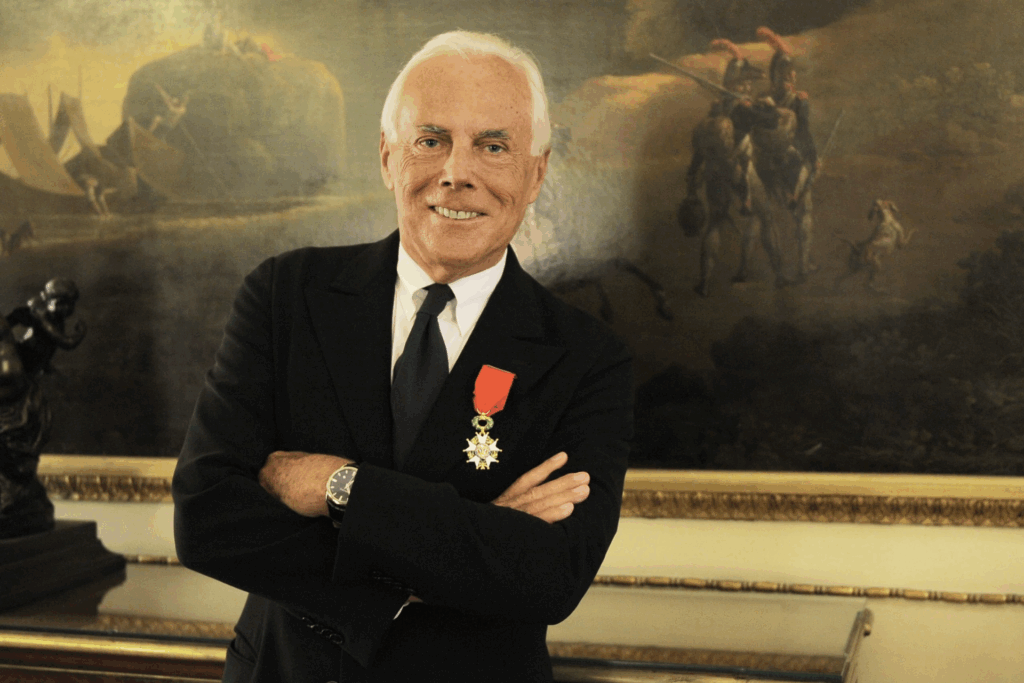
Hermès Beauty Sees First Sales Decline Since Launch

Above: Image from Hermès

Long celebrated for the steady success of its fragrance and beauty division since its launch in 2020, Hermès has now recorded its first-ever decline in beauty sales. This unexpected downturn highlights growing challenges for the house in an increasingly competitive market, marking a key moment in the brand’s beauty trajectory.

What Happened

  • Fragrance and beauty arm posts a sales decline for the first time since its beauty division was introduced in 2020.
  • This contrasts sharply with robust growth at rival conglomerates. LVMH and Kering continue to expand their beauty portfolios vigorously

The Jing Take

  • The dip suggests Hermès may be at a crossroads, needing to reassess its beauty strategy amid evolving customer habits and narrative demands.
  • While Hermès has traditionally leaned into understated, refined aesthetics, this moment may call for more bold or emotionally resonant storytelling in beauty offerings

Broader Market Context

  • Competing luxury groups are leaning into dynamic marketing and rapid innovation to capture market share.
  • Hermès, by contrast, might risk losing traction if its beauty development and messaging remain too predictable or cautious.

Hermès’s first beauty sales decline signals that even established luxury players must stay agile in a fast-evolving beauty market. The brand’s hallmark elegance may now require a thoughtful inflection toward storytelling that resonates more vividly with modern beauty consumers. As rivals accelerate forward, Hermès’s next steps in beauty, from product innovation to narrative strategy, will be pivotal in reaffirming its presence in the category.

Stay up to date on the latest luxury industry news: https://worldluxurycouncil.com/insights-news        

SOURCES: JINGDAILY, HERMÈS

Next-Gen Luxury Leadership: What Emerging Consumers Expect from Brands Today

Once, luxury brands set the tempo, and the audience followed without question. Today, Gen Z and Millennials have stepped into the spotlight, bringing their soundtrack, lighting, and request list. They expect more than heritage and polish; they want transparency about how the products are made, assurance that the planet isn’t paying the price, and proof that innovation is more than a marketing slogan. For long-established houses, the stage has been rebuilt entirely.

Prioritizing Inclusivity as a Growth Strategy

Younger consumers are looking for brands that reflect diverse realities, not just in advertising campaigns but in decision-making rooms. For them, authenticity comes from who holds power behind the scenes, how products are designed, and whether the brand actively addresses social equity.

Actionable Insights:

  • Audit leadership and creative teams for diversity metrics, and set measurable targets for improvement.
  • Partner with cultural consultants to ensure brand communications resonate across demographics.
  • Launch initiatives that go beyond visual inclusion, focus on equitable hiring practices, and internal culture shifts.

Embedding Sustainability into the Luxury Value Proposition

Gen Z and Millennials do not see sustainability as a luxury add-on; they see it as a baseline requirement. Luxury brands are being evaluated on everything from material sourcing to energy use in production facilities. Stella McCartney’s pioneering work in bio-based materials is proof that responsibility can align with high-end desirability.

Actionable Insights:

  • Implement transparent supply chain mapping and make it publicly accessible.
  • Explore partnerships with innovators in circular materials and regenerative farming.
  • Shift sustainability communication from “aspirational” to “accountable” by publishing progress reports with concrete data.

Innovating Beyond Aesthetics

For these consumers, innovation isn’t just about avant-garde design; it’s about function, interactivity, and future-readiness. The luxury watch industry’s move into hybrid mechanical-digital models and Balenciaga’s experiments with virtual fashion show that digital-physical integration is becoming a marker of modernity. Innovation is also a tool for personalization, with AI-driven styling recommendations and exclusive virtual previews becoming part of the high-end shopping ritual.

Actionable Insights:

  • Allocate R&D budgets toward digital interaction tools that enhance exclusivity without losing intimacy.
  • Experiment with immersive retail formats, from augmented reality fitting rooms to interactive flagship installations.
  • Use consumer data with discretion, as privacy sensitivity is a key trust factor for younger buyers.

Recalibrating Pricing and Access Models

Millennials and Gen Z value experiences and access over static ownership. Luxury subscription models, fractional ownership of high-value goods, and members-only experiential events are attracting buyers who want flexibility without sacrificing prestige. Brands like Mytheresa are tapping into this through exclusive travel partnerships and early product access for loyal customers.

Actionable Insights:

  • Pilot alternative access programs, limited-time rentals, VIP previews, or member-only digital drops.
  • Frame these offerings as “expanded brand experiences” rather than discount-driven models.
  • Track customer engagement across these formats to refine future offerings.

Future-Proofing Luxury Leadership

The shift in consumer priorities is not a temporary trend; it’s a generational restructuring of values. Leaders who thrive will treat inclusivity, sustainability, and innovation not as campaign slogans, but as integrated business imperatives. This means institutional change: embedding new KPIs, evolving leadership structures, and rethinking long-term brand storytelling.

Actionable Insights:

  • Establish a cross-functional “future steering group” to align leadership on cultural, environmental, and technological priorities.
  • Link executive compensation to performance on sustainability and diversity goals.
  • Create brand narratives that look forward, positioning your house as a participant in cultural progress rather than a guardian of the past.

Key Takeaways: Strategies for Next-Gen Luxury Leadership

The leaders best positioned for the future will treat inclusivity as a structural imperative rather than a surface-level statement, ensuring that representation is embedded in decision-making and brand culture. Sustainability must move from being framed as a special initiative to becoming a baseline expectation, with transparency and measurable progress serving as the currency of trust. Innovation should be pursued with intention, using technology to enhance the emotional and sensory dimensions that define luxury. Ownership models also need rethinking, as younger consumers increasingly value access and experience over possession.

Ultimately, adaptability will be the defining quality; brands that evolve with shifting cultural and environmental priorities will not only endure but remain relevant in an era where values hold as much weight as heritage.

To learn more about the World Luxury Chamber of Commerce, visit: https://worldluxurycouncil.com/ 
SOURCES: STELLA MCCARTNEY

Prada’s Calculated Beauty Move by Lord & Partners

Above: Image from Prada

Can a fashion house translate its legacy into liquid, pigment, and scent, without losing the soul of its brand? In today’s high-end sector, where longevity depends on intelligent evolution, Prada offers a compelling answer.

In Brand Dive: How Prada Beauty Keeps Its Brand Activated by Lord & Partners explores how the Italian fashion powerhouse has extended its influence into beauty, not as an afterthought, but as a deliberate expression of its identity. While many maisons have expanded into cosmetics and skincare with varying levels of impact, Prada’s recent entrance has captured attention for its discipline, precision, and clarity of direction.

At the intersection of fashion authority and future-focused design, Prada Beauty positions itself as an integral vertical that reflects the house’s core principles, explored by the World Luxury Chamber of Commerce in this report summary.

Design-Led Expansion

Following a low-impact launch in the early 2000s, Prada returned to beauty in August 2023, powered by L’Oréal after it acquired the brand’s fragrance license from Puig. This time, the entry was structured, considered, and tightly aligned with Prada’s fashion language. Drawing strength from the cultural momentum of its sister label, Miu Miu, the brand positioned its beauty line not as a side project, but as a fully integrated vertical.

This approach is evident across the collection: from chrome packaging and architectural lipstick bullets to the structured use of Prada’s triangle symbol, the products carry the visual and conceptual codes of the house.

Visual Discipline and Identity

Prada Beauty avoids the ornamental in favor of precise, intelligent design. The brand’s mint green signature shade replaces more traditional colorways and lends a distinct visual rhythm to both digital and physical environments. Rather than leaning into nostalgic or romantic imagery, the line focuses on structure, clarity, and form.

Campaigns emphasize geometry and restraint, with product visuals that echo modernist design principles. Across touchpoints—from packaging to AR integrations, Prada maintains a consistent voice: one of quiet control and intentional detail.

Product Intent and Innovation

At the center of the fragrance portfolio is Paradoxe, a composition that avoids conventional softness in favor of layered, structured notes. In color cosmetics, Prada emphasizes materials and format: engraved lipsticks, multi-use balms with skincare benefits, and refillable formats that encourage longer-term engagement.

The skincare line, built around Triple A (AAA) Technology using amino acids and Ashwagandha, extends the brand’s preference for low-friction, high-performance solutions. Rather than overwhelming the user with complex rituals, the collection offers clean formulations in elevated packaging.

Above: Image from Prada

Experience as Strategy

Prada’s activation strategy is rooted in both digital tools and real-world interactions. Virtual try-ons, CGI-driven visuals, and immersive pop-ups invite consumers to engage with the line not just as a product range, but as an environment.

This approach is also evident on the runway, where makeup becomes part of Prada’s larger fashion narrative. Educational sessions, content-rich digital campaigns, and interactive storytelling further build relevance, particularly among younger audiences seeking more than just luxury for luxury’s sake.

Market Position and Potential

Prada Beauty enters a competitive space long dominated by established names. Yet it does so with clarity, leaning into its fashion credibility rather than celebrity-driven marketing or overused tropes. The result is a line that feels both distinct and grounded in the parent brand’s cultural authority.

Looking ahead, the report suggests opportunities in high-tech skincare tools, partnerships with hospitality and travel sectors, and continued investment in immersive digital storytelling, all ways to deepen emotional engagement without straying from the house’s identity.

Conclusion

As outlined in the report by Lord & Partners, Prada’s success in beauty stems not from scale or spectacle, but from precision and consistency. The brand’s expansion reflects a larger principle: luxury today demands more than presence; it requires clarity of vision and a sense of purpose.

For those navigating the future of fashion and beauty, Prada’s example offers a valuable model, quiet, deliberate, and exacting in all the right ways.

To read the full report, visit: https://www.linkedin.com/feed/update/urn:li:activity:7344348873139646466/

 Stay updated on luxury industry news: https://worldluxurycouncil.com/insights-news/

Something went wrong

Please try again later

Ok

    Ask About Member Deals

    Submit your request for media/press opportunities here, and we will provide you with all the details.


    Your form submitted successfully!

    We will be in touch soon with further details.

    Got it